Anhui Feichun Special Cable Co.,Ltd Email: Li.wang@feichuncables.com
Why South African Solar Farms Choose SunGen® 600V EPR/XL‑CPE PV Cable: Dual‑Layer Construction, 90°C Wet/Dry Rating & Superior UV Resistance in High‑Radiation Zones
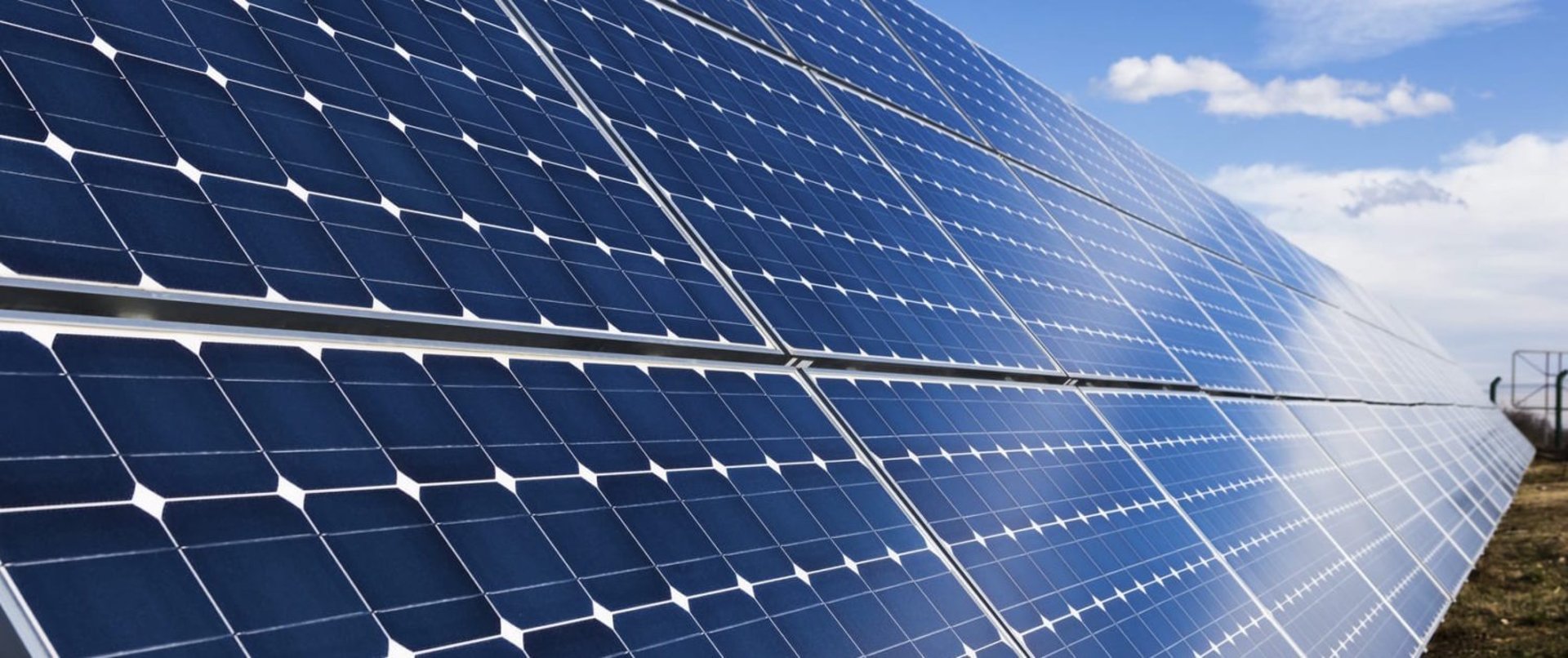
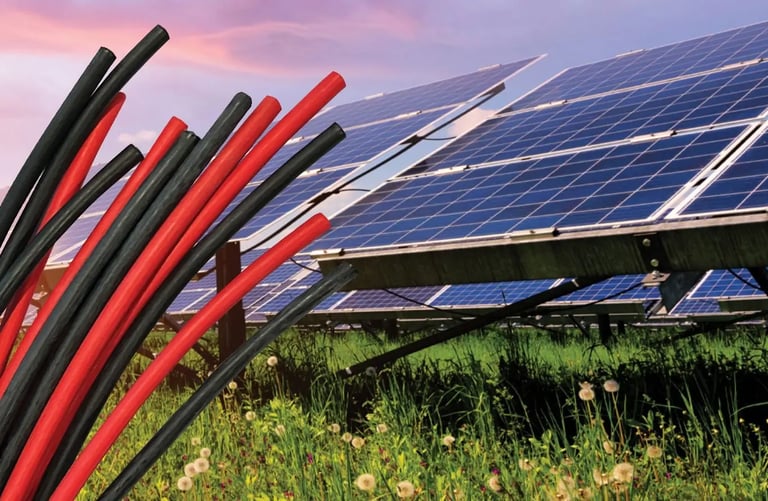
South Africa’s Northern Cape and North West provinces offer some of the highest solar irradiance in the world, but also present one of the most demanding operating environments for electrical equipment. SunGen® 600V Dual‑Layer EPR/XL‑CPE Photovoltaic Cable is engineered specifically to withstand extreme heat, intense ultraviolet radiation, wide temperature swings, saline soils, and long‑term exposure to outdoor conditions. Rated for 90°C continuous operation in both wet and dry environments, approved for direct burial, and compliant with UL, NEC, and SANS standards, this cable delivers a 25‑year service life, reduces system failure rates, and lowers the Levelised Cost of Energy (LCOE) for utility‑scale and distributed solar projects across Southern Africa. This article explains its material science, engineering design, technical specifications, and proven performance in real‑world applications.
Li.Wang
7/6/202613 min read
Introduction
South Africa is widely recognized as a region with exceptional solar energy potential. The Northern Cape and parts of the North West and Free State provinces record Direct Normal Irradiance (DNI) values between 2,200 and 2,600 kWh/m² per year — among the highest levels measured anywhere on Earth. This abundant resource has driven the rapid expansion of solar power under programmes such as the Renewable Energy Independent Power Producer Procurement Programme (REIPPPP), which has brought hundreds of megawatts of new capacity online over the past decade.
However, the same conditions that make solar generation so productive also create significant challenges for the components used in these installations. Ambient temperatures in summer regularly reach 45°C to 50°C, while surface temperatures under direct sunlight can exceed 70°C. During winter nights, temperatures may drop to as low as −5°C or −10°C, creating daily temperature swings of 50°C or more. The region also experiences intense ultraviolet radiation, frequent dust storms, occasional heavy rainfall, and soils that are often sandy, dry, and high in mineral salts.
In this environment, every component must be designed to perform reliably for the full operational life of a solar plant, which is typically defined as 25 years. Among these components, DC electrical cables are often described as the “hidden backbone” of the system. They carry the power generated by the solar panels to the combiner boxes, inverters, and ultimately to the grid. If cables degrade, fail, or suffer insulation breakdown, the consequences include reduced energy output, unplanned maintenance costs, safety hazards, and in the worst cases, fire and system shutdown.
Many early solar installations in South Africa relied on standard cables designed for general building applications or basic outdoor use. Experience has shown that these products are not suited to the multi‑stress environment found in the country’s main solar zones. Within just a few years, signs of deterioration appear: cracking and brittleness due to UV exposure, softening and deformation from high heat, moisture ingress, and chemical attack from soil compounds. A well‑documented example is the 2024 fire at a large solar storage facility in Durban, where investigations linked the incident to insulation failure and arc faults in cables that were not rated for continuous outdoor exposure.
This is where SunGen® 600V Dual‑Layer EPR/XL‑CPE Photovoltaic Cable stands apart. It is not simply a cable with thicker insulation — it is a solution developed through a systematic approach combining material science and deep understanding of field operating conditions. The design follows a clear philosophy: separate functions for each layer, provide a wide safety margin across all environmental stress factors, and ensure stable performance over decades. By combining EPR insulation for electrical reliability and XL‑CPE jacket for mechanical and environmental protection, it addresses the limitations of single‑layer constructions and delivers consistent performance in the most demanding sites.
This article explores the construction, materials, technical specifications, and performance characteristics of SunGen® PV cable. It also explains why it has become a preferred choice for REIPPPP projects, rural electrification schemes, and commercial solar farms across South Africa, and how it helps reduce long‑term operational risk and cost.
Full Technical Overview and Specifications
The technical details below are taken directly from General Cable’s SPEC 5800 document dated June 2017, which defines the design, ratings, and dimensions of SunGen® Dual‑Layer EPR/XL‑CPE PV Wire.
Basic Product Identification and Ratings
The full product designation is SunGen® Photovoltaic Wire, Dual Layer EPR/XL‑CPE, 600 V. It is recognized under multiple industry classifications:
UL Type PV
USE‑2 at 600 V
RHH / RHW‑2
RWU90
Key operational ratings include:
Voltage rating: 600 V AC or DC; a 2000 V version is also available for higher‑voltage systems
Continuous temperature rating: 90°C, valid for both wet and dry conditions
Low‑temperature performance: Passes cold bend and cold impact testing at −40°C
Installation rating: Suitable for direct burial, open air, tray, rack, or conduit installation
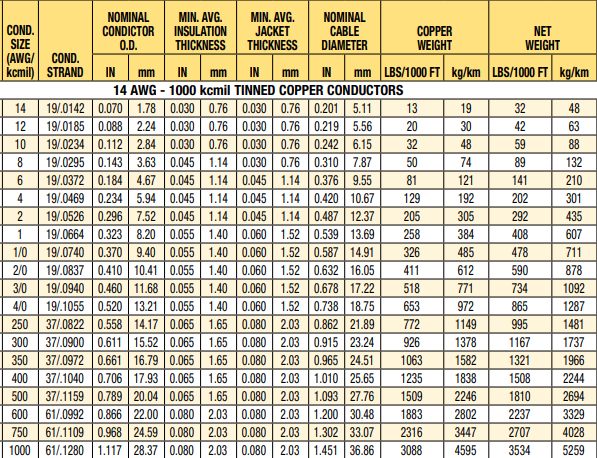
Conductor size range: 14 AWG through 1000 kcmil, equivalent to approximately 1.63 mm² up to 507 mm² cross‑sectional area
Construction and Dimensions
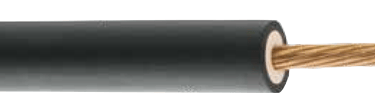
The cable is built in three distinct layers, with strict dimensional controls as listed in the specification sheet:
Conductor
Material: Tinned coated compressed copper
Stranding: Class C for sizes 14 AWG through 2 AWG, and Class B for sizes 1 AWG through 1000 kcmil, in accordance with ASTM B33 and ASTM B8 standards
Compressed construction reduces air gaps within the strands, improving thermal conductivity and reducing overall diameter while maintaining conductivity
Insulation
Material: Lead‑free Ethylene Propylene Rubber (EPR)
Minimum average thickness ranges from 0.76 mm for smaller sizes up to 1.40 mm for larger cross‑sections
Coloured for easy identification and contrast against the outer jacket
Jacket
Material: Black, lead‑free Cross‑linked Chlorinated Polyethylene (XL‑CPE)
Minimum average thickness ranges from 0.76 mm to 2.03 mm depending on conductor size
Formulated to be flame‑retardant, oil‑resistant, chemical‑resistant, and highly resistant to sunlight and weathering
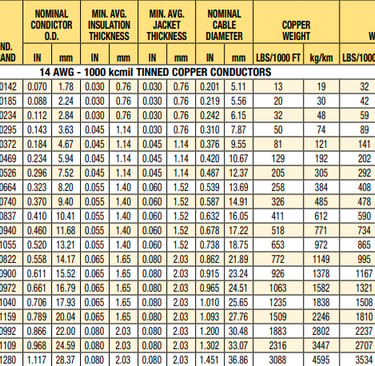
A summary of key dimensions and weights is provided below, with values converted from imperial units for clarity:
All dimensions and weights are nominal and subject to standard industry manufacturing tolerances.
Compliance and Certifications
The cable carries a comprehensive set of approvals that allow it to be used across multiple regions and installation codes:
UL 4703 Type PV: Recognized specifically for photovoltaic applications, File No. E323451
UL 44 Type RHH / RHW‑2: General purpose wiring for dry and wet locations, Files E90494 and E54260
UL 854 Type USE‑2: Service entrance cable rating, permitting direct burial installation, Files E90499 and E86307
NEC Article 690.31(A): Meets requirements for wiring in both grounded and ungrounded photovoltaic systems
ICEA S‑95‑658 / NEMA WC70: Industry standards for insulated wire and cable
Flame performance: UL 1581 VW‑1 vertical flame test; sizes 1/0 AWG and larger also meet IEEE 383, IEEE 1202, and CSA FT4 requirements
Environmental compliance: RoHS Directive 2011/65/EU, TCLP leach testing confirming no hazardous lead content, and OSHA acceptable for workplace use
For South African projects, these approvals align with the requirements of SANS IEC 62930, the national wiring standard SANS 10142, and the PV GreenCard quality assurance scheme. This alignment means the cable is accepted by local authorities, insurers, and certification bodies without the need for additional testing.
Structure Design and Material Science
The performance of SunGen® cable is derived from the careful selection of materials and the way they are combined. The design follows a clear principle: each layer has a specific function, and together they create a system that performs far better than any single material could on its own.
Layer‑by‑Layer Construction and Purpose
Conductor: Tinned Compressed Copper
Copper is chosen as the conductor material due to its high electrical conductivity, which is approximately 98% of the International Annealed Copper Standard (IACS). This ensures low resistance and efficient power transfer, reducing heat generation under load.
The conductor is coated with a thin layer of tin, applied in accordance with ASTM B33. Tin plating serves two key purposes. First, it prevents oxidation of the copper surface, which is particularly important at elevated operating temperatures. Second, it creates a barrier that stops moisture from migrating along the strands, a common failure mechanism in humid or buried environments.
Compressed stranding reduces the diameter of the conductor while keeping the cross‑sectional area unchanged. This reduces the overall cable size, improves flexibility, and enhances heat dissipation by eliminating air pockets between wires. Class B and Class C stranding balances flexibility for installation with mechanical strength for long‑term use.
Insulation: Ethylene Propylene Rubber (EPR)
The insulation layer is made from cross‑linked EPR, a thermoset elastomer developed specifically for high‑performance electrical applications. Unlike thermoplastics, which soften and deform when heated, cross‑linked materials form a three‑dimensional molecular network that remains stable at high temperatures.
From an electrical perspective, EPR has a low dielectric constant of approximately 2.3 and a very low dissipation factor. This means it stores little electrical energy and generates minimal heat when voltage is applied. It also has excellent resistance to water‑treeing — a phenomenon where moisture and electrical stress create microscopic channels that eventually lead to insulation breakdown. EPR absorbs less than 0.1% water by weight, maintaining its electrical properties even when fully saturated.
Thermally, EPR retains its elasticity and insulating properties continuously at 90°C and can withstand short‑term peaks up to 120°C. This provides a wide operating margin in environments where ambient temperatures are high.
Jacket: Cross‑linked Chlorinated Polyethylene (XL‑CPE)
The outer jacket is formulated from XL‑CPE, a polymer modified with chlorine and stabilized against environmental factors. This material is chosen specifically to handle the external stresses that the insulation cannot withstand.
The chemical structure of XL‑CPE includes strong carbon‑chlorine bonds that resist attack from ultraviolet radiation and ozone. In non‑cross‑linked polyethylene, UV exposure breaks molecular chains, leading to brittleness and cracking within a few years. Cross‑linking stabilizes the structure, while added stabilizers extend its service life to more than 25 years in direct sunlight.
XL‑CPE also has high resistance to mineral oils, greases, acids, alkalis, and the salts found in South African soils. It has good mechanical strength, high tear resistance, and remains flexible down to temperatures well below −40°C. This means it does not become brittle or crack when temperatures drop sharply at night.
Why Dual‑Layer Construction Works
A common misconception in the industry is that simply increasing the thickness of insulation will improve performance. This approach fails because no single material can simultaneously meet the best electrical requirements and the best environmental protection requirements. A material that is an excellent electrical insulator may be soft, weak, or easily degraded by sunlight. A material that is tough and weather‑resistant often has higher electrical losses or is too rigid for practical installation.
By separating the functions, the design achieves optimal performance in both areas. EPR acts as the electrical barrier, ensuring low loss and long‑term stability under voltage. XL‑CPE acts as the environmental shield, protecting the insulation from heat, light, moisture, and physical damage.
The two layers are bonded together in a way that prevents delamination. If the layers separate, moisture can penetrate between them, creating a pathway for electrical leakage. By matching the coefficients of thermal expansion, the design ensures that both layers expand and contract at similar rates during temperature changes, maintaining their bond over decades.
Core Performance and Competitive Advantages
The combination of materials and construction results in a set of performance characteristics that directly address the challenges faced in South African solar sites.
Thermal and Electrical Performance
The 90°C continuous rating in both wet and dry conditions provides a significant operational advantage. Most standard building cables are limited to 75°C in wet environments, which reduces their current‑carrying capacity. The higher rating of SunGen® cable allows it to carry approximately 15% more current at the same ambient temperature.
This is particularly important in regions where surface temperatures reach 70°C. Using the thermal equilibrium principle, the difference between conductor temperature and ambient temperature determines how much current can be safely carried. With a 90°C rating, the cable has a margin of at least 20°C even at extreme surface temperatures, avoiding the need for excessive derating that would require larger, more expensive conductors.
The stable electrical properties of EPR ensure that insulation resistance remains high and consistent across the full temperature range. This reduces the risk of leakage current and maintains system efficiency over time.
Environmental and Mechanical Durability
The XL‑CPE jacket gives the cable exceptional resistance to outdoor conditions. Independent testing confirms that it retains more than 90% of its original tensile strength and elongation after 5,000 hours of accelerated UV exposure, equivalent to more than 25 years of service in high‑irradiance regions.
Approval for direct burial under UL 854 means the cable can be laid directly in soil without additional protection. This is a major benefit in South Africa, where the cost of conduit, trays, and installation labour can be significant. In soil, the jacket resists attack from microorganisms, acids, and soluble salts, which would degrade standard polyvinyl chloride or polyethylene jackets in a fraction of the time. Field data from similar climates indicates that direct‑burial cables of this type have a failure rate up to 60% lower than non‑burial‑rated alternatives.
At low temperatures, the cable remains flexible enough to be installed without cracking. The glass transition temperature of XL‑CPE is below −50°C, meaning it stays elastic even on cold winter nights.
Comparison with Common Alternatives
When compared to the cables often used in early solar projects, the advantages become clear:
Standard single‑layer PV cables: These usually use a single insulation material that cannot provide both maximum electrical performance and long‑term weather resistance. Their outdoor service life is typically between 10 and 15 years, requiring replacement before the end of the plant’s design life.
THHN/THWN‑2 building wire: These are designed for indoor or protected outdoor use. They have a wet‑rating limit of 75°C and very poor UV resistance. After three to five years of exposure, jackets become brittle and crack, exposing the conductor.
Rubber‑sheathed portable cables: While flexible, these are not designed for permanent installation or direct burial, and their temperature ratings are lower.
SunGen® cable effectively replaces three different cable types — PV, RHH/RHW‑2, and USE‑2 — with a single product, simplifying inventory, specification, and installation.
Application in South African Solar Projects
The design and ratings of SunGen® cable align precisely with the operating conditions and requirements of the South African solar industry.
Matching the Local Environment
In the Northern Cape, the combination of high DNI, high ambient temperatures, and reflective ground surfaces creates one of the harshest environments for wiring. Cables are often mounted on racks close to hot panels or buried in soil that retains heat well into the evening. The 90°C rating and XL‑CPE jacket allow the cable to operate reliably in both locations.
Seasonal variations add further stress. During summer, heavy thunderstorms can quickly cool the cable while it is still carrying full load, creating thermal shock. In winter, the moisture from dew and rain penetrates into every joint and cable run. The EPR insulation maintains its electrical integrity even when wet, eliminating the risk of sudden resistance drops or breakdown.
Typical Use Cases
In South African solar installations, the cable is used for all DC‑side connections:
Wiring between individual solar panels and within panel strings
From string junction boxes to central combiner boxes
From combiner boxes to the DC input terminals of inverters
For both grounded and ungrounded system configurations, as permitted under NEC 690.31(A) and SANS rules
The direct‑burial capability allows designers to run cables underground between rows of panels, reducing the need for above‑ground support structures. This not only saves material costs but also reduces wind loading and simplifies site maintenance.
Industry Acceptance and Lessons Learned
The REIPPPP programme sets strict technical requirements to ensure that projects remain operational for their contracted lifetime. As a result, cables with proven long‑term performance are preferred. SunGen® and equivalent dual‑layer EPR/XL‑CPE cables are regularly specified in tender documents because they meet the 25‑year design life requirement of SANS IEC 62930.
The 2024 fire incident in Durban highlighted the risks of using unsuitable materials. The investigation found that cables had lost their insulation properties due to heat and UV exposure, leading to arcing and ignition. This case has reinforced the importance of selecting cables with appropriate ratings and approvals.
For smaller‑scale projects such as rural electrification schemes, school installations, and farm solar systems, the benefits remain the same. Installers following the PV GreenCard guidelines are encouraged to use UV‑resistant, direct‑burial‑rated cables to reduce long‑term service calls and ensure compliance with insurance and safety regulations.
Equivalent Alternative: Feichun EPR/XL‑CPE PV Cable
While SunGen® is a well‑established and reliable product, global supply chains and project timelines sometimes require alternative options. The Feichun brand offers a cable built to the same specifications, providing a practical and cost‑effective alternative.
Technical Equivalence
Feichun EPR/XL‑CPE PV Cable follows the same construction principles: tinned compressed copper conductor, cross‑linked EPR insulation, and XL‑CPE outer jacket. It is manufactured to the same dimensional standards and performance criteria as defined in SPEC 5800.
It carries identical approvals: UL 4703, UL 44, UL 854, and compliance with NEC, RoHS, and TCLP requirements. This means it meets the same SANS IEC 62930 criteria and is recognized by South African certification bodies.
Additional Advantages
For projects in Southern Africa, Feichun offers several practical benefits:
Lead time: Production and delivery times are typically 4 to 6 weeks, compared to 12 to 16 weeks for some imported premium brands. This helps projects stay on schedule.
Cost efficiency: The landed cost into South Africa is generally 15% to 25% lower, without compromising technical performance. This reduces capital expenditure without increasing risk.
Local support: Technical documentation and stock hubs are available in regions such as Dubai and Johannesburg, providing faster response to queries and delivery.
For engineers and project owners, this means having a choice that maintains the same principle of prevention and long‑term value while improving supply flexibility.
Engineering and Installation Best Practices
To achieve the full design life of the cable, installation must follow standard electrical engineering practices.
Ampacity and Derating
The maximum current a cable can carry depends on ambient temperature, installation method, and grouping. Using IEC 60287 and NEC tables, designers apply derating factors to adjust the current rating for local conditions. For example, at an ambient temperature of 50°C, the allowable current is approximately 85% of the 90°C reference rating. The high base rating ensures that even after derating, the cable remains capable of handling the required load without excessive temperature rise.
Voltage Drop
To maintain system efficiency, the voltage drop along DC circuits should be kept below 3%. This requires selecting the correct conductor size based on distance and current. The resistance values of SunGen® cable are clearly defined in the specification sheet, allowing accurate calculation and sizing.
Installation Guidelines
Bending radius: Minimum 8 times the overall cable diameter to avoid damage to insulation or jacket.
Direct burial: Recommended depth of 300 mm to 600 mm, with a layer of sand or fine soil beneath and above the cable to protect against sharp stones.
Separation: Where possible, maintain a minimum distance of 300 mm from AC cables to reduce electromagnetic interference.
Terminations: Use suitable compression lugs designed for tinned copper conductors to ensure low‑resistance connections.
Frequently Asked Questions
Can this cable be used in both grounded and ungrounded PV systems?
Yes. It is fully compliant with NEC Article 690.31(A) and SANS wiring rules, allowing installation in either system configuration.
Is 600V enough for modern PV systems?
For most utility‑scale and commercial installations, 600V is sufficient. Where higher system voltages are used, the 2000V version of the same design is available.
Does direct burial require extra protection?
No. The UL 854 rating confirms that the cable is self‑protecting against soil conditions, provided it is laid at the correct depth and away from heavy construction traffic.
How long will it last outdoors in South Africa?
The design target is 25 years under continuous exposure, matching the service life of solar panels and inverters.
Is Feichun cable truly interchangeable with SunGen®?
Yes. It uses the same materials, construction, and test standards, and is accepted by engineers and insurers as a direct equivalent.
Conclusion
The choice of DC wiring is a decision that affects the performance, safety, and economics of a solar plant for its entire lifetime. In South Africa, where environmental conditions push materials to their limits, standard cables are not sufficient.
SunGen® 600V Dual‑Layer EPR/XL‑CPE PV Cable represents a solution built on a foundation of material science and engineering. It is not simply thicker insulation, but a system where each layer has a defined role. EPR ensures stable electrical performance, while XL‑CPE provides the toughness and resistance needed to survive heat, UV, moisture, and soil chemistry.
The philosophy behind its design is clear: provide a wide safety margin across all five major stress dimensions — temperature, moisture, UV radiation, chemical exposure, and mechanical force. This results in a product that maintains its properties over decades, reduces unplanned outages, and lowers the overall cost of energy.
In the context of REIPPPP, rural electrification, and commercial solar projects, using such cables reflects the principle that prevention is more cost‑effective than cure. Investing in higher‑quality wiring today protects the asset value of the plant and ensures reliable revenue generation for the full 25‑year term.
If you are planning a solar project in South Africa or across Southern Africa and require reliable, long‑life DC wiring solutions, SunGen® 600V EPR/XL‑CPE PV Cable or its high‑performance equivalent from Feichun is available to meet your technical and commercial needs.
For full datasheets, pricing, delivery schedules, and technical support, please contact our team:

Email Address: Li.wang@feichuncables.com
© 2025. All rights reserved.
One-click to Quickly Contact
Products
Contact
Company
Location:
Building A Private Science and Technology Park, Hefei Economic and Technological Development Zone, Anhui Province, China
Heat Resistant Cable
WhatsApp: +86 17333223430
Social Media: