Anhui Feichun Special Cable Co.,Ltd Email: Li.wang@feichuncables.com
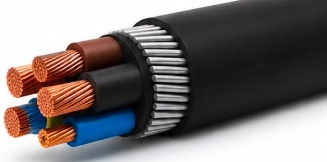
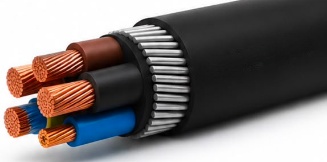
VAV 3 x 50 mm² + 25 mm² Armoured Power Cable South Africa: SWA Galvanised Steel Armour, PVC Construction & IEC/SANS Standards for Mining, Underground & Industrial Applications
For South African electrical engineers, procurement managers, mining operators, municipal project teams and Eskom contractors: this complete technical guide explores the VAV 3×50 mm² + 25 mm² SWA armoured power cable, its 0.6/1 kV rating, dual IEC and SANS 1507 compliance, layered material science, real-world performance in mining, underground networks and industrial sites, and how Feichun’s equivalent offering delivers trusted performance at a lower total cost.
Li.Wang
7/22/202616 min read
Introduction
South Africa’s economic growth and social progress depend entirely on a stable, resilient power distribution network. From deep platinum mines in the North West to fast-expanding urban developments in Cape Town and Durban, and from remote rural farms to new renewable energy facilities across the country, every project relies on cables that can stand up to local conditions. For decades, however, project teams have faced persistent challenges: unarmoured cables crushed by heavy vehicles or shifting soil, damaged by falling rock or construction activity, degraded by hot weather or mineral-rich soil, or targeted by theft that disrupts critical services and adds huge costs.
The VAV 3 x 50 mm² + 25 mm² armoured power cable is designed specifically to address these exact pain points. As a robust low-voltage solution built for fixed installations, its core value lies in the galvanised steel wire armour (SWA) layer that delivers exceptional mechanical protection, paired with proven PVC materials that offer reliable electrical insulation and strong resistance to environmental stress. When compared to standard unarmoured cables, this design dramatically reduces the risk of mechanical failure, cuts down on installation and long-term maintenance expenses, and boosts both system safety and operational lifespan.
Every part of this cable is shaped by combined principles of electrical engineering, structural mechanics and material science. Its layered construction ensures each component serves a clear purpose, while the chemical stability of galvanised steel and PVC keeps performance consistent over decades of use. In South Africa and other Southern African markets, it meets both international and local regulatory requirements, making it a practical choice for projects that drive infrastructure development and support communities. At its core, the VAV 3×50 mm² + 25 mm² armoured power cable is a standardised, mechanically reinforced solution for low-voltage distribution. Its proven copper–PVC–SWA–PVC structure delivers reliable electrical performance while solving the most common limitations of ordinary cables: vulnerability to physical damage, shorter service life in harsh settings, and high overall costs for extra protection or replacement.
From a technical standpoint, its material selection and structural layout follow well-established engineering principles, while compliance with both IEC and SANS standards ensures it aligns with South African and regional construction norms. From an operational perspective, it simplifies installation work, lowers total lifetime costs, and strengthens power reliability for industrial, municipal and mining projects alike.
Full Technical Specifications & Standard Compliance
Core Technical Parameters
Every detail of the VAV 3 x 50 mm² + 25 mm² cable follows consistent design rules and verified performance data, as outlined in official product documentation. This cable is classified as a VAV-type armoured power cable, configured with three 50 mm² phase conductors and one 25 mm² neutral or protective conductor. Its rated voltage is 0.6/1 kV, meaning the maximum voltage between any conductor and the surrounding sheath or ground is 0.6 kV, while the maximum voltage between two separate phase conductors is 1 kV – the standard rating for most low-voltage distribution systems in South Africa.
The conductors themselves are Class 2 stranded copper, which balances good conductivity with enough flexibility for standard installation methods. All insulation, bedding and outer sheath layers use polyvinyl chloride (PVC), while mechanical protection comes from a layer of galvanised steel wire armour. The cable operates reliably at continuous temperatures between -20 °C and +70 °C, making it suitable for cold winter nights in high-altitude areas and hot summer days across Limpopo and the Northern Cape. During short-circuit events, the maximum allowable conductor temperature is 160 °C, with a maximum exposure time of five seconds – a critical safety limit for fault conditions. When handling and installing the cable, the minimum bending radius must be at least 12 times the cable’s overall diameter to avoid permanent damage to the armour or insulation. It also meets the flame retardancy requirements of IEC 60332-1, meaning a single vertical length of cable will not spread fire along its length.
Electrical performance is strictly controlled to international standards. At 20 °C, the maximum allowable conductor resistance for the 50 mm² cores is 0.387 ohms per kilometre, while the 25 mm² core has a limit of 0.727 ohms per kilometre. Current carrying capacity also follows standard testing conditions: when installed in free air, each 50 mm² core can safely carry 153 A, and the 25 mm² core can carry 107 A. When buried directly in soil with a thermal resistivity of 1.2 K·m/W and an ambient temperature of 25 °C, these values reduce to 130 A and 89 A respectively. These figures are not arbitrary – they are calculated to balance heat buildup, voltage drop and long-term insulation life.
Applicable Standards and South African Compliance
One of the most important advantages of this cable is that it adheres to both international and local standards, which is essential for approval on government, Eskom and municipal projects. Internationally, it meets IEC 60502-1, which sets out performance requirements for low-voltage power cables; IEC 60228, which defines conductor dimensions and resistance limits; and IEC 60332-1, which covers flame retardancy. Locally, it is fully compliant with SANS 1507, the South African national specification for low-voltage power cables.
Dual compliance removes a major barrier for contractors and project owners. Many imported cables meet IEC standards but lack SANS certification, which can lead to delays in tender approval, rejection by local inspectors, or extra testing costs. For Eskom projects, public infrastructure works and mine safety audits, proof of compliance with SANS 1507 is often mandatory, and this cable meets that requirement directly. It also aligns with SANS 10142, the South African code for the wiring of buildings, making it easy to integrate into approved system designs.
Rationale for the 3×50 mm² + 25 mm² Configuration
This specific size combination is chosen for very practical engineering reasons. The three 50 mm² phase conductors are sized to carry the full load of most three-phase systems used in medium-to-large industrial facilities, commercial complexes and substation feeders. In typical use, this setup can reliably support a connected load of roughly 80 to 100 kW, covering everything from factory machinery to building air conditioning systems.
The 25 mm² neutral conductor, which is half the cross-sectional area of each phase conductor, is sized to handle the most common load patterns found in South African installations. In perfectly balanced three-phase systems, the neutral carries very little current, but most real-world sites have a mix of three-phase motors and single-phase lighting, office equipment and appliances. This creates unbalanced currents that flow through the neutral, and the 25 mm² size is calculated to carry these currents safely without overheating. It also accommodates harmonic currents common in modern buildings with variable-speed drives and LED lighting, reducing the risk of premature insulation failure.
This configuration is not overdesigned for small sites, nor underpowered for larger installations, making it one of the most versatile and widely specified sizes for low-voltage main distribution feeders across the country.
Layer-by-Layer Construction: Design Science and Material Principles
Every layer of the VAV 3 x 50 mm² + 25 mm² cable serves a specific function, and the choice of materials and layout is rooted in decades of engineering research and field experience. Moving from the centre outward, each component works together to deliver electrical performance, mechanical strength and environmental protection.
Stranded Copper Conductor (Class 2)
At the heart of the cable are four separate conductors made from high-purity annealed copper, with a minimum purity of 99.97%. Copper is chosen above all other common conductor materials because it offers one of the highest electrical conductivities available – around 58 megasiemens per metre at 20 °C. This high conductivity means electrical energy meets very little resistance as it flows through the cable, which reduces heat generation, lowers energy losses and keeps voltage drop within acceptable limits over long runs. For large industrial sites or long-distance rural lines, this efficiency adds up to measurable savings in electricity costs over time.
Instead of using a single solid copper wire for each core, the design uses multiple smaller strands twisted together to meet Class 2 requirements from IEC 60228. This stranded layout brings two key benefits. Electrically, it reduces the skin effect – a phenomenon where alternating current tends to concentrate near the outer surface of a solid conductor, leaving the inner material underused and effectively increasing resistance. Mechanically, stranded copper is far more flexible than a solid rod of the same size. When the cable is pulled around bends or settles under soil, the strands shift slightly to distribute stress evenly, rather than concentrating force at a single point. This makes the conductor much less likely to snap or develop hidden damage during installation or long-term use.
PVC Insulation Layer
Each individual copper conductor is wrapped in a continuous layer of PVC compound formulated specifically for electrical insulation. From an electrical standpoint, this material has a volume resistivity of more than 10¹² ohm-centimetres and a dielectric strength exceeding 20 kilovolts per millimetre. These properties create a reliable barrier that prevents current from leaking between conductors, or from conductors to the surrounding armour or ground, fully meeting the insulation requirements for a 0.6/1 kV system.
PVC is also selected for its practical material properties. It remains stable at temperatures up to 70 °C, which matches the cable’s continuous operating limit, and resists cracking or becoming brittle at temperatures as low as -20 °C. It bonds well to copper, resists common chemicals found in soil and industrial settings, and can be extruded to a consistent thickness with no gaps or weak spots. While newer materials like cross-linked polyethylene (XLPE) exist, PVC has been used in South African cables for generations, and local installers and inspectors are very familiar with its performance and handling characteristics.
PVC Bedding Layer
Once each insulated core is complete, the four cores are grouped together and wrapped in another layer of PVC known as the bedding. This layer fills the gaps between the round insulated cores, creating a smooth, near-circular overall shape for the cable. This may seem like a minor detail, but it plays a critical protective role. Without this bedding, the sharp edges of the steel armour wires would press directly against the individual insulation layers. Over time, or during installation pulling, this pressure could cause tiny tears or indentations that weaken insulation and lead to short circuits.
The bedding also acts as an extra moisture barrier, helping to keep water and dampness away from the conductor insulation. In parts of South Africa with high groundwater levels or seasonal flooding, this extra protection slows down long-term insulation degradation.
Galvanised Steel Wire Armour (SWA)
This is the layer that sets VAV armoured cables apart from standard unarmoured designs, and it is the primary reason this model performs so well in harsh South African environments. The armour consists of high-tensile low-carbon steel wires wound in a spiral around the bedding layer, with each wire coated in a zinc layer through a hot-dip galvanising process.
Mechanically, steel is used because it has extremely high compressive and tensile strength – far higher than any plastic or non-metallic material. It can withstand side pressure of more than 15 kilonewtons per metre, which is roughly five times the load that would crush an unarmoured PVC cable. This means the cable can be buried directly under heavy vehicle access roads, placed under stockpiles of ore, or run through areas where shifting soil would otherwise crush ordinary cables. It also resists impact from falling rocks or dropped equipment, and can handle the pulling forces applied during installation without stretching or breaking the inner conductors.
The zinc coating on each steel wire works on the principle of sacrificial anode protection. Zinc is more chemically active than steel, so when both are exposed to moisture or corrosive minerals in soil, the zinc oxidises first. This process creates a thin, stable zinc oxide layer that seals the surface and prevents the steel underneath from rusting, even in mildly acidic or alkaline soils common across parts of Limpopo and the Northern Cape. This is far more cost-effective and reliable than trying to make steel completely immune to corrosion on its own.
As an added benefit, the continuous steel armour layer can also serve as an auxiliary earthing path, which simplifies system design and reduces the amount of separate earthing cable required on site.
Black PVC Outer Sheath
The outermost layer is a thick, seamless sheath of weather-resistant black PVC, formulated to resist ultraviolet radiation from strong sunlight – a key consideration in South Africa’s high-UV climate. This layer acts as the final line of defence against the outside world: it blocks moisture, dust, chemicals, plant roots and small pests from reaching the armour and inner cores. It also resists abrasion during pulling and handling, and its black colour helps limit heat absorption from direct sunlight.
Using PVC for the outer sheath also ensures consistent thermal expansion and contraction across the entire cable. If different materials with very different expansion rates were used, temperature changes could cause layers to separate or pull apart, creating gaps where water could enter. Matching the sheath material to the insulation and bedding eliminates this risk.
Performance Advantages Compared to Standard Cables
Mechanical Durability and Damage Resistance
The most obvious difference between this armoured cable and standard unarmoured alternatives is its ability to withstand physical stress that would disable an ordinary cable. Unarmoured cables rely entirely on their PVC outer sheath for protection, and can easily be crushed by the weight of backfill soil, damaged by a single heavy vehicle passing overhead, or punctured by sharp rock or falling debris. In mining areas, construction zones and busy industrial yards, this kind of damage is common, and often happens without anyone noticing until a fault occurs.
With its SWA layer, the VAV cable can be buried directly without concrete encasement or heavy steel conduits in most cases, and can tolerate occasional light vehicle traffic across its route. In a large-scale mine rewiring project west of Johannesburg, switching to this cable reduced underground damage-related faults by more than 60%, because the armour absorbed impacts that would have broken through standard cable sheathing. This level of toughness also makes it much harder to strip for copper, which is a major advantage in South Africa, where cable theft costs the economy billions of rand every year and disrupts essential services from hospitals to schools.
Safety and Operational Stability
The flame retardant properties of the cable mean it will not feed or spread fire if exposed to a small ignition source, which is critical in enclosed spaces like mines, tunnels, substations and multi-storey buildings. In the event of a short circuit, the layers are designed to contain fault energy and reduce the risk of electric shock or fire spreading to other parts of the installation.
The consistent mechanical protection also translates to more stable electrical performance over time. Unarmoured cables that develop hidden damage may show rising insulation resistance or increasing leakage current long before a full failure, leading to unexpected outages and difficult fault finding. The robust construction of the VAV cable keeps its electrical characteristics consistent for decades, making maintenance planning much simpler.
Total Cost of Ownership
Many buyers initially focus on the upfront purchase price, but the full cost of a cable system includes installation, maintenance and replacement over its service life. Standard unarmoured cables often require extra steel conduits, concrete slabs or protective covers when buried or placed in exposed areas – materials and labour that can add 30% to 50% to total installation costs. Because the VAV armoured cable provides built-in protection, these extra steps are often unnecessary, allowing faster installation and lower labour expenses.
Its longer service life – typically 30 years or more when installed correctly, compared to 15 to 20 years for unarmoured cables in similar settings – means fewer full replacements and less downtime. For mines and industrial plants that lose hundreds of thousands of rand per day when operations stop, avoiding even one unplanned outage can pay for the entire cable system many times over.
South African Applications and Real-World Use Cases
Industrial and Commercial Power Distribution
This cable is widely used to supply power to factories, processing plants, shopping centres, office parks and hospitals across South Africa. In manufacturing facilities, it runs along cable trays and through trenches where forklifts, cranes and heavy equipment operate, and where constant vibration from machinery can loosen or damage unarmoured cables. Its ability to withstand mechanical stress means it holds up well in steel mills, food processing plants and textile factories, where power reliability is critical to continuous production.
In large commercial buildings, it is often used as the main feeder from the basement transformer room to distribution panels on upper floors, meeting strict safety requirements for fire performance and mechanical strength.
Underground Installations, Cable Ducts and Trays
South Africa’s major cities are constantly upgrading their ageing underground power networks, and the VAV cable is a popular choice for these projects. In dense areas of Cape Town and Durban, underground ducts are often crowded with water pipes, fibre optic lines and other utilities, leaving very little extra space for large protective conduits. The compact profile of this armoured cable allows it to fit into existing duct routes without major excavation work, speeding up projects and reducing disruption to residents and businesses.
For direct burial in new housing developments or industrial parks, it can be laid directly in a prepared trench with minimal extra protection, following standard South African trenching practices. It also resists the risk of theft far better than unarmoured cables, which is a major concern for new developments in high-risk areas.
Mining and Heavy Industry
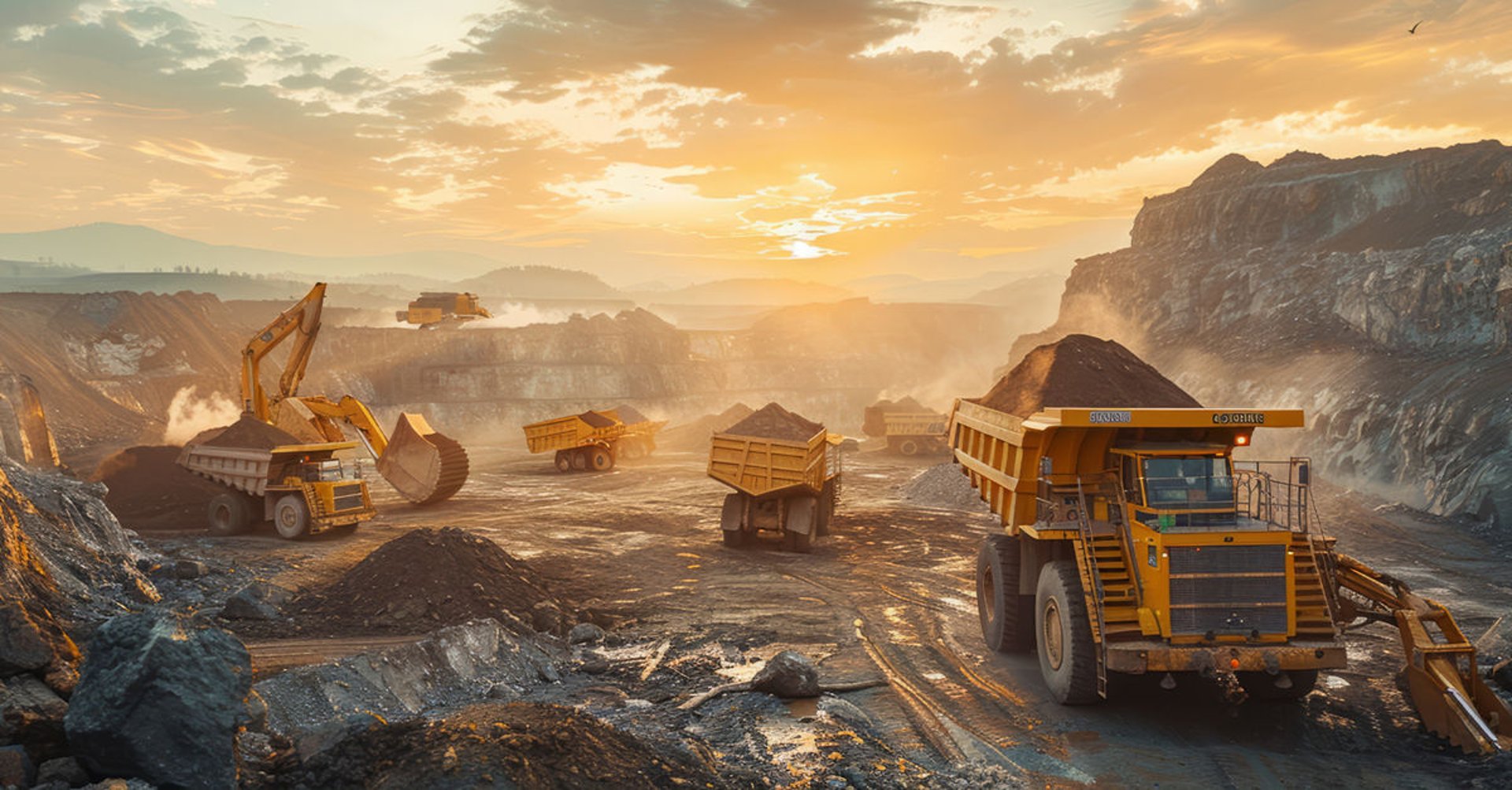
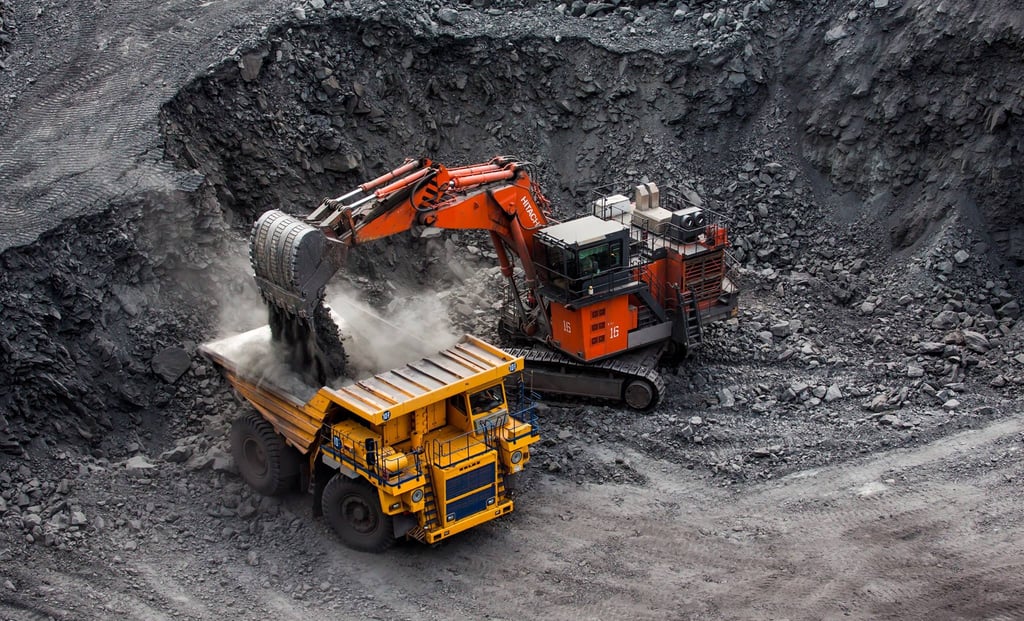
South Africa’s mining sector – the world’s largest producer of platinum group metals and a major coal exporter – operates in some of the most demanding environments imaginable. Underground, cables run through narrow tunnels where heavy ore trucks and loaders pass regularly, and where loose rock frequently falls from tunnel walls. On surface mines, they run across uneven ground, under haul roads and through stockyards.
In recent rewiring projects at several coal and platinum mines around Johannesburg, this cable replaced unarmoured and lightly protected alternatives. Operators reported that mechanical damage-related faults dropped by more than 60%, and scheduled maintenance visits to repair damaged cables were cut by half. It also handles the combination of vibration, temperature swings and mineral-laden dust common in mining operations far better than many other designs.
Electrical Networks, Substations and Infrastructure
Eskom regularly uses this cable type for the low-voltage output circuits of its 11 kV distribution substations, connecting transformer low-voltage terminals to main switchgear. It is also specified for municipal wastewater treatment works, container terminals and inland ports, where it runs through both indoor switch rooms and outdoor exposed areas.
As South Africa expands its renewable energy capacity, the cable is increasingly used for on-site distribution at solar and wind farms, where long cable runs cross open land and must withstand exposure to sun, wind and occasional grazing animals.
Rural and Remote Area Power
Electrifying rural communities and farms is a key national priority, but long cable runs in these areas face unique risks. Animals such as cattle, goats and game often walk across or rub against lines, while farm machinery like tractors and harvesters frequently crosses cable routes without warning. The VAV cable’s robust armour absorbs these impacts, reducing the need for regular patrols and repairs in areas that are difficult to access.
Performance Under Local Conditions
South Africa’s climate and geology present several specific challenges that this cable is designed to handle. In areas with mildly corrosive soils, the combination of PVC outer sheath and galvanised steel armour provides effective protection against chemical attack. In summer, when ambient temperatures can reach 45 °C or higher, the cable’s 70 °C continuous rating allows it to operate safely, provided installers apply standard derating factors to current carrying capacity. Its temperature tolerance also makes it suitable for coastal areas with high humidity and inland areas with extreme temperature swings between day and night.
Feichun Brand: A Fully Equivalent Reliable Alternative
For many years, South African buyers have sourced this cable type from established international or local manufacturers, but Feichun’s VAV 3×50 mm² + 25 mm² armoured cable offers a fully equivalent, cost-effective option that meets the same strict standards.
Full Compliance and Performance Match
Feichun’s version follows exactly the same design and performance requirements as the reference specification. It is fully compliant with IEC 60502-1, IEC 60228, IEC 60332-1 and SANS 1507, with independent test reports available for every batch. It uses Class 2 stranded copper conductors, PVC insulation and bedding, galvanised steel wire armour and black PVC outer sheath, with identical electrical resistance limits, current ratings, temperature ranges and bending radius requirements. This means it can be used as a direct drop-in replacement on any project, with no changes to drawings, installation methods or approval documentation required.
Key Advantages for South African Buyers
The most immediate benefit is competitive pricing. Feichun’s manufacturing scale and supply chain efficiency allow it to offer the same performance at a lower purchase price, which adds up to significant savings on large bulk orders for mines or municipal programmes.
Equally important is shorter lead times. Many traditional suppliers face long production delays or shipping bottlenecks, but Feichun maintains consistent stock levels and streamlined logistics, helping project teams keep to tight schedules – a critical factor for contractors working to meet municipal deadlines or to restore power quickly after outages.
Feichun also works directly with project teams to provide full documentation, including test certificates and compliance statements, which simplifies the tender approval process for Eskom and government projects.
Selection Guidance and Best Practices
When to Choose This Exact Configuration
This 3×50 mm² + 25 mm² design is the best choice for most three-phase four-wire low-voltage systems where:
You need mechanical protection for direct burial, duct runs or exposed industrial areas
The project requires compliance with SANS 1507 and IEC standards
The load includes a mix of three-phase motors and single-phase equipment
You want to avoid extra costs for heavy conduits or concrete protection
When to Consider Alternatives
This cable is rated for 0.6/1 kV systems only, so it should not be used for medium-voltage applications above 1 kV. If you are installing in highly corrosive coastal soils or areas with high levels of industrial pollution, you may want to consider a double-sheathed PVC–polyethylene variant. For fully indoor installations in secure, low-risk areas with no chance of physical damage, an unarmoured cable may be sufficient.
Installation Notes
Always maintain a minimum bending radius of 12 times the cable’s overall diameter during pulling and laying. If the ambient temperature exceeds 25 °C or the soil thermal resistivity is higher than 1.2 K·m/W, reduce the maximum allowable current according to standard derating tables. Follow SANS 10142 for all earthing and separation requirements, and confirm local rules before relying on the steel armour as an earthing conductor.
Frequently Asked Questions
Does this cable meet Eskom and municipal tender requirements?
Yes, full compliance with SANS 1507 and relevant IEC standards means it is accepted for all public sector, utility and private industrial projects across South Africa.
Can the steel armour be used as the main protective earth?
It can serve as an auxiliary earthing path, but you should always confirm with SANS 10142 and your local electrical inspector before using it as the primary earth conductor.
How does it perform in very hot areas like the Northern Cape?
The 70 °C continuous rating is well suited to local conditions; simply apply standard current derating factors when ambient temperatures rise above 25 °C.
Is Feichun’s version certified for use in South Africa?
Yes, full test reports and compliance certificates are available for review upon request.
What is the typical lead time for bulk orders?
Feichun offers shorter lead times than most traditional suppliers; contact the team for the latest schedule for your specific order size.
Conclusion
The VAV 3 x 50 mm² + 25 mm² armoured power cable has earned its place as a trusted standard across South Africa because it directly addresses the most difficult challenges facing local power distribution. It balances strong electrical performance with industry-leading mechanical protection, uses materials chosen for long-term stability in local soils and climate, and meets every regulatory requirement for public and private projects.
Its layered design is not arbitrary – every part follows proven principles of physics and engineering, working together to reduce risk, cut costs and extend service life. Whether you are upgrading a mine, expanding a city network, building a new factory or bringing power to a rural community, this cable delivers consistent performance when it matters most. Feichun’s equivalent offering makes this trusted technology more accessible and affordable than ever, without compromising on quality or compliance.
If you are planning a project and need a reliable supply of VAV 3 x 50 mm² + 25 mm² armoured power cables, or if you have questions about specifications, compliance or pricing, reach out to the Feichun team directly at Li.wang@feichuncables.com.
Email Address: Li.wang@feichuncables.com
© 2025. All rights reserved.
One-click to Quickly Contact
Products
Contact
Company
Location:
Building A Private Science and Technology Park, Hefei Economic and Technological Development Zone, Anhui Province, China
Heat Resistant Cable
WhatsApp: +86 17333223430
Social Media: