Anhui Feichun Special Cable Co.,Ltd Email: Li.wang@feichuncables.com
Type SHD / SHD‑GC Mining Cables: EPR‑Insulated Shielded Trailing Power Solutions for South African Heavy‑Duty Shovels, Drills & Underground Operations
Type SHD and SHD‑GC medium‑voltage trailing cables built to ICEA S‑75‑381, designed specifically for heavy mobile mining equipment across South Africa’s open‑pit and underground mines. Learn construction, materials, engineering principles, performance ratings, safety benefits, and why Feichun delivers a fully certified, cost‑effective equivalent solution.
Li.Wang
6/30/202610 min read
Introduction
In the mining industry, electrical power distribution is far more demanding than in any standard industrial setting. Across South Africa’s vast mineral belt—from the iron‑ore deposits of the Northern Cape, the coalfields of Mpumalanga, to the platinum and gold reefs of the Bushveld Complex and Free State—power cables must operate under conditions that would quickly destroy ordinary wiring. Heavy equipment moves constantly, dragging cables over sharp rock, through mud and water, across abrasive surfaces, and under extreme temperature swings. Meanwhile, strict regulations under the Mine Health and Safety Act of 1996 and SANS 10198 demand maximum electrical safety and reliability.
This is where Type SHD and SHD‑GC mining cables stand apart. They are not just another cable type; they are purpose‑engineered power delivery systems built exclusively for the unique combination of requirements found in modern mining: mobility, heavy power loads, harsh environments, and high safety standards. The design philosophy is simple yet profound: deliver medium‑voltage power reliably while resisting mechanical fatigue, electrical degradation, and environmental attack.
This article explores every aspect of SHD and SHD‑GC cables—from their construction and material science to their performance, application in South African mines, and how they compare to alternatives. It also explains why Feichun’s equivalent offering meets the same rigorous specifications while providing better value and availability.
Basic Information & Technical Specifications
Definition and Core Design Concept
Type SHD stands for Shielded Heavy Duty, while SHD‑GC adds Ground Check functionality. Both are medium‑voltage trailing cables manufactured according to ICEA S‑75‑381, the leading industry standard for flexible power cables in mining applications. The core design objective is to create a cable that remains mechanically flexible while carrying high power, resisting wear, and ensuring electrical integrity over years of continuous use.
Voltage and Temperature Ratings
According to the original Prysmian/General Cable documentation, these cables are available in five standard voltage classes: 2 kV, 5 kV, 8 kV, 15 kV, and 25 kV, covering the full range of medium‑voltage systems used in mining.
Thermal performance is defined in three distinct operating conditions:
Continuous service temperature: 90 °C, applicable in both dry and wet environments
Emergency overload temperature: 130 °C, allowing short‑term overload without permanent damage
Short‑circuit temperature: 250 °C, the maximum conductor temperature during fault conditions
This thermal envelope allows the cable to operate safely under varying load cycles and fault events, far exceeding the limits of standard rubber‑insulated cables.
Conductor Sizes and Electrical Parameters
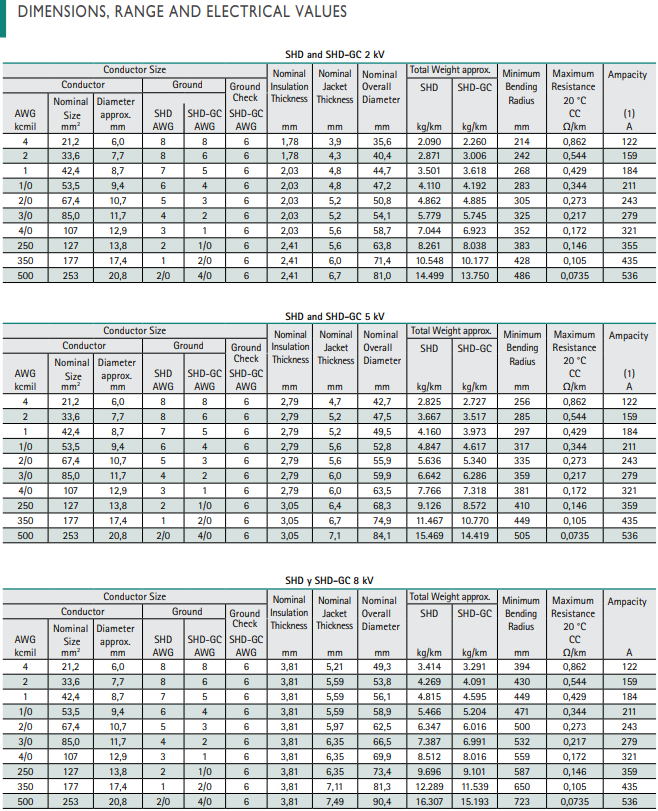
The conductor range spans from 4 AWG (21.2 mm²) up to 500 kcmil (253 mm²), covering the full spectrum of power requirements from medium drills to large electric shovels. For each size, the documentation provides precise data:
Maximum DC resistance at 20 °C, ranging from 0.862 Ω/km for 4 AWG down to 0.0735 Ω/km for 500 kcmil
Ampacity values calculated for 90 °C conductor temperature and 40 °C ambient, ranging from 122 A to 536 A
Minimum bending radius, starting at 214 mm for 2 kV 4 AWG and increasing to 723 mm for 8 kV 500 kcm
Construction Configurations
The fundamental difference between the two types lies in the grounding arrangement:
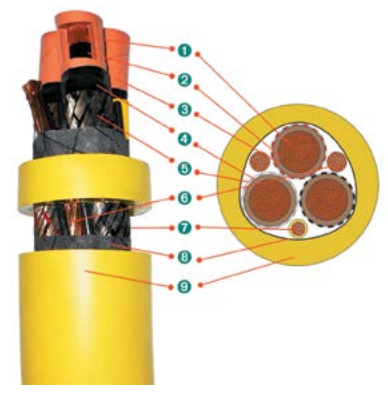
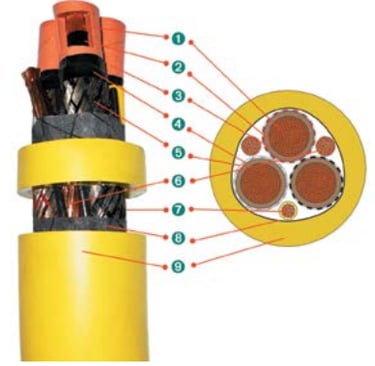
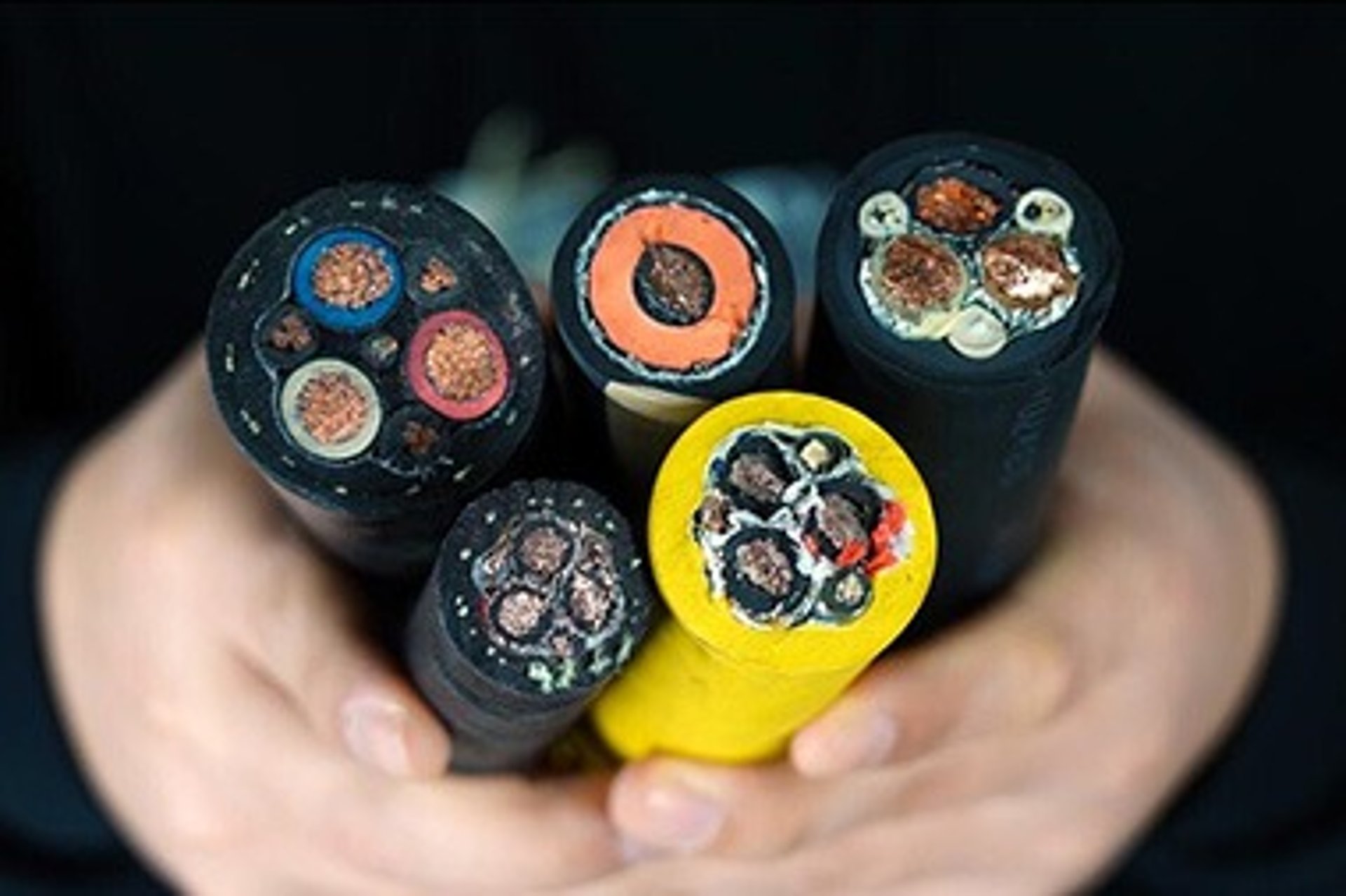
Type SHD: 3 phase conductors + 3 bare copper grounding conductors
Type SHD‑GC: 3 phase conductors + 2 bare copper grounding conductors + 1 insulated ground‑check conductor (yellow HDPE insulation)
This configuration difference defines their safety capabilities and application suitability, as explained in later sections.
Compliance and Certification
Both types are built to ICEA S‑75‑381, aligned with NEMA WC‑58, and tested to ASTM standards for copper conductors, insulation, and jacketing materials. They meet MSHA requirements for use in US mines and conform to SANS 10198, the South African national standard governing cable selection, installation, and safety up to 33 kV. Manufacturing is carried out under ISO 9001 quality systems, ensuring consistent performance across production batches.
Core Applications & Typical Operating Conditions
Surface Mining Operations
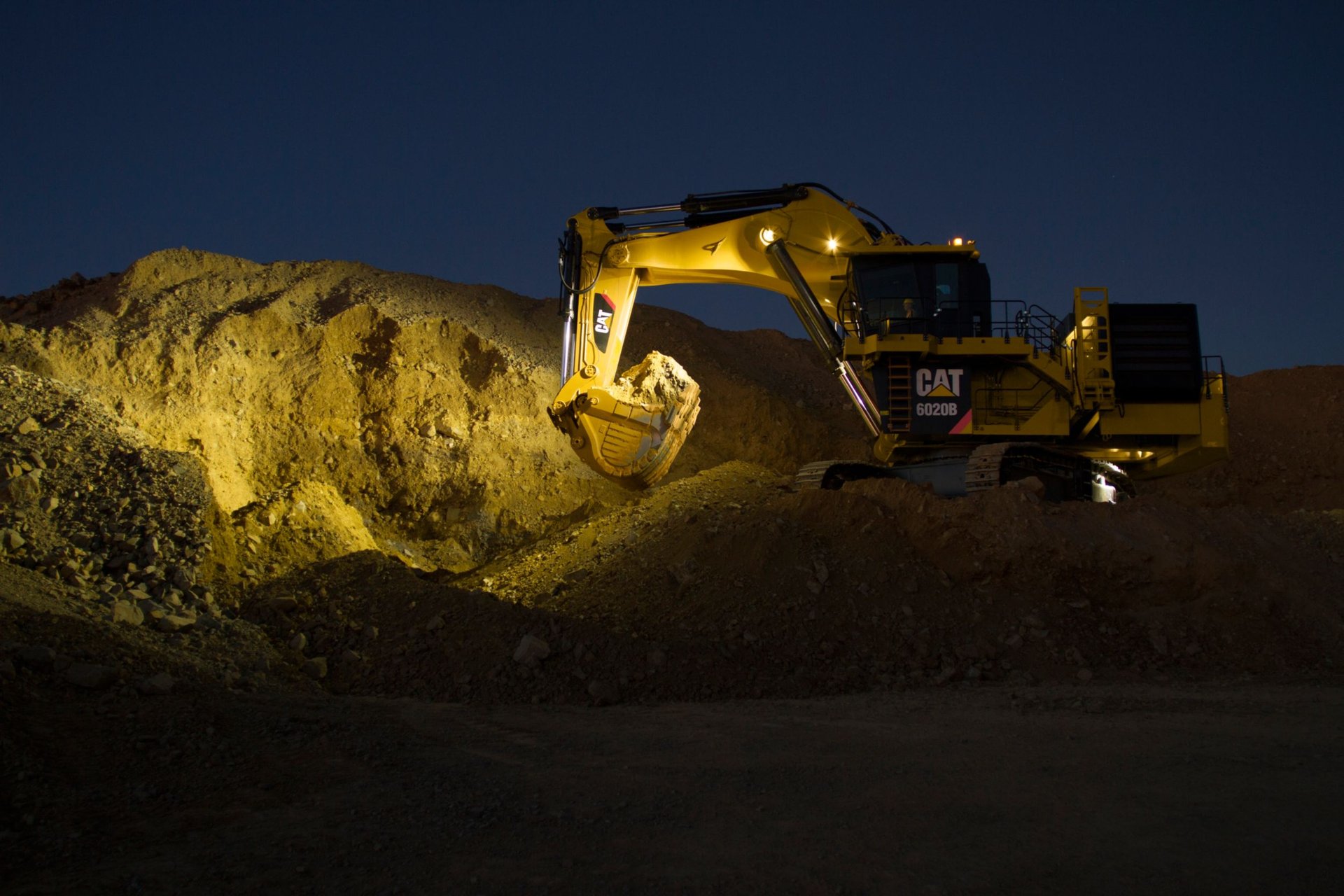
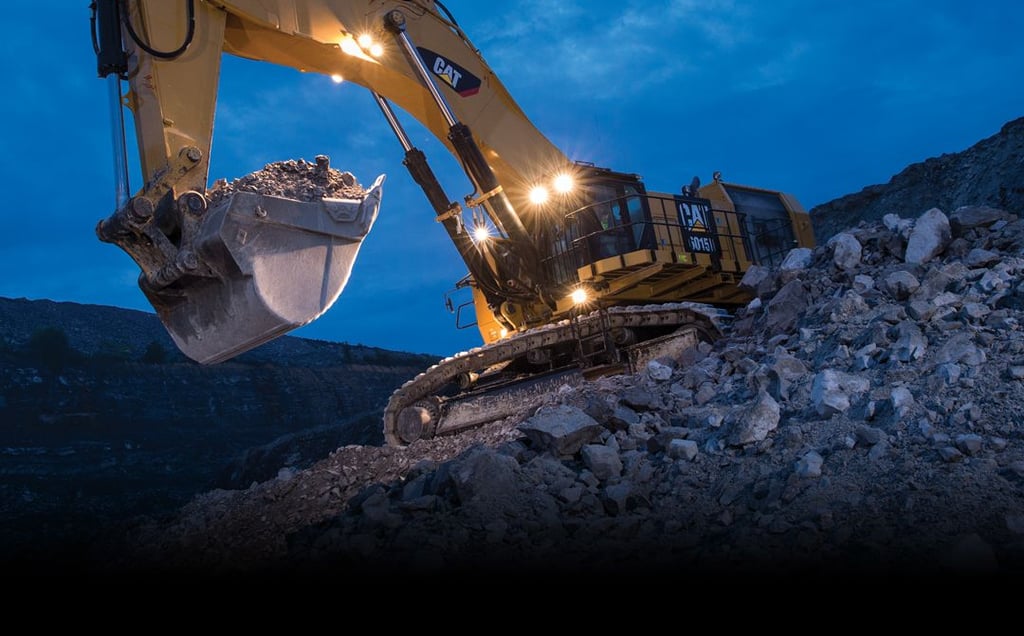
In open‑pit mines across South Africa, Type SHD and SHD‑GC cables power the largest equipment on site: electric shovels, draglines, blast‑hole drills, stackers, and mobile crushers. These machines draw high power while moving continuously over rough terrain. The cable is reeled and unreeled many times per day, dragged across rock and soil, exposed to direct sunlight, ozone, and extreme temperatures.
A typical example is found at the Sishen Iron Ore Mine in the Northern Cape, where 5 kV SHD‑GC cables feed 250 kcmil power to large electric shovels. Here, the cable operates in ambient temperatures ranging from 0 °C in winter to above 45 °C in summer, while being subjected to heavy vehicle traffic and constant abrasion.
Underground Mining Applications
In underground coal, platinum, and gold mines, conditions are even more challenging: high humidity, standing water, restricted space, and the presence of flammable gases. SHD‑GC cables are preferred here because they enable continuous ground‑fault monitoring, a requirement under South African mining regulations. They supply power to longwall shearers, continuous miners, load‑haul‑dump vehicles, and mobile substations.
At a coal mine in Mpumalanga, 15 kV SHD‑GC cables run from the underground substation to the longwall face, moving several meters every shift. The cable must withstand compression from falling rock, bending in tight galleries, and immersion in mine water.
Why These Conditions Break Ordinary Cables
Standard rubber‑sheathed cables usually fail within 12 to 24 months in these environments. Common failure modes include:
Conductor breakage from repeated bending fatigue
Insulation cracking and tracking due to ozone and UV exposure
Jacket swelling or degradation from oil, grease, and chemicals
Hidden earth faults that go undetected until they cause shock or fire
SHD and SHD‑GC cables are engineered specifically to eliminate these failure points.
Construction, Materials & Engineering Principles
To understand their performance, we must look at the cable layer by layer, from the center outwards, and examine the science behind each material choice.
Conductor: Extra‑Flexible Stranded Soft Copper
Material: Class I rope‑lay annealed soft copper, conforming to ASTM B‑172 and B‑33.
Design: Thousands of fine strands twisted in multiple layers.
Engineering Principle:
Electrical: Fine strands reduce skin effect, improve current distribution, and lower resistance.
Mechanical: Flexibility comes from distributing bending stress across many small wires rather than a few large ones. This reduces fatigue and prevents breakage even after tens of thousands of bending cycles.
Conductor Semi‑Conductive Shield
Material: Extruded or taped semi‑conductive compound.
Function: Smooths the irregular surface of the stranded conductor, eliminating sharp points that cause electric field concentration.
Principle: Creates a uniform electric field at the insulation boundary, preventing partial discharge and extending insulation life.
Insulation: Ethylene‑Propylene Rubber (EPR)
Material: High‑grade EPR, a thermoset elastomer.
Key Properties:
Dielectric constant ≈ 2.5, very low dielectric loss
Dielectric strength > 20 kV/mm
Remains flexible at low temperatures; does not harden or melt at high operating temperatures
Resists water absorption, ozone, and chemical attack
Principle: Unlike thermoplastic insulations, EPR cross‑links during curing, creating a stable molecular structure that maintains its electrical and mechanical properties throughout its service life.
Insulation Shield & Metallic Screen
Construction: Semi‑conductive tape + tinned copper and textile fiber braid with minimum 60 % coverage.
Functions:
Completes the uniform electric field system, ensuring the field stays entirely within the insulation
Provides a path for fault current to ground
Textile fibers are colored black, white, and red for easy phase identification
Principle: This system eliminates voids and air gaps, which are the primary cause of insulation breakdown in medium‑voltage cables.
Grounding and Ground‑Check Conductors
SHD: 3 bare copper grounding conductors, providing low‑impedance fault return paths.
SHD‑GC: 2 bare grounds + 1 insulated ground‑check conductor covered in yellow HDPE.
Safety Principle: The ground‑check conductor forms a continuous monitoring circuit. If the grounding conductors break or resistance rises, the system detects it immediately, triggering alarms or shutdowns before equipment frames become live.
Textile Fiber Reinforcement Layer
Material: Open braided synthetic yarn applied over the insulated core assembly.
Function: Distributes tensile loads, prevents core bunching, and reduces adhesion between core and jacket.
Mechanical Principle: Without this layer, tension during reeling would stretch the conductors and compress the insulation. The reinforcement shares the load, keeping electrical dimensions stable.
Outer Jacket: Hypalon™ / Chlorosulfonated Polyethylene (CPE)
Material: Hypalon™, a thermoset CPE compound.
Properties:
High tear and abrasion resistance
Resistant to oil, grease, diesel, hydraulic fluids, acids, and alkalis
Excellent UV and ozone resistance
Remains flexible from –40 °C to over 120 °C
Principle: As a thermoset, CPE does not soften or flow at elevated temperatures, unlike PVC or ordinary rubber. It forms a protective barrier that absorbs impact and resists degradation from every environmental factor found in mining.
SHD vs. SHD‑GC: Differences, Similarities, and Selection
Common Features
Both share the same voltage range, temperature ratings, insulation and shielding system, jacket material, and compliance standards. They are built using identical engineering principles and have similar dimensions and weight profiles.
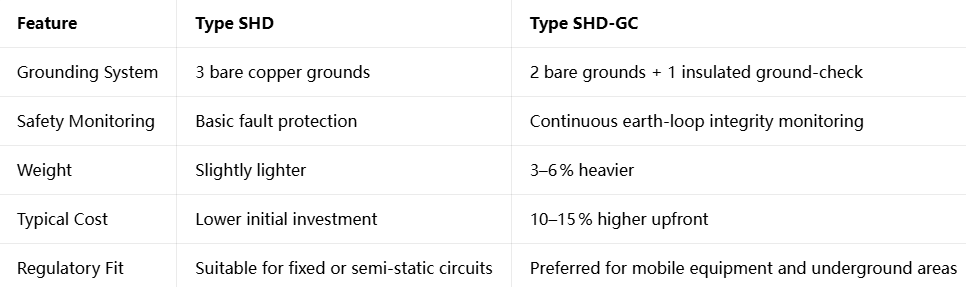
Key Differences
Selection Guidance
Choose SHD when the cable serves stationary feeders, equipment with limited movement, or where local codes do not require continuous earth monitoring.
Choose SHD‑GC for all heavy mobile equipment, underground installations, and applications governed by SANS 10198 and Mine Health and Safety Act rules. The monitoring capability reduces electrical incidents by up to 75 % in documented South African field use.
Competitive Advantages & Why Standard Cables Fail
Limitations of Ordinary Rubber Cables
General‑purpose rubber cables are designed for light industrial use. They typically have lower temperature ratings (60 °C–75 °C), thinner insulation, no electrical shielding, and jacketing with poor abrasion resistance. In mining, they suffer from rapid core breakage, insulation failure, and jacket cracking, requiring replacement every 12–24 months.
Limitations of Armoured Medium‑Voltage Cables
Armoured cables provide mechanical protection but are rigid and inflexible. Their steel or aluminum armour creates a large minimum bending radius, making them unsuitable for reeling or dragging. Over time, the armour itself can fatigue and break, causing internal damage.
Unique Advantages of SHD / SHD‑GC
Electrical Superiority:
Double‑shielded design controls electric fields, eliminating partial discharge
Stable insulation performance even in wet and contaminated environments
Higher continuous temperature rating increases current‑carrying capacity
Mechanical Toughness:
Super‑flexible construction withstands millions of bending cycles
Reinforced core resists stretching and compression
Heavy‑duty Hypalon jacket lasts 3–5 times longer than standard rubber
Environmental Resistance:
Unaffected by diesel, hydraulic oil, dust, moisture, UV, and ozone
Operates reliably from sub‑zero temperatures to extreme heat
Total Cost of Ownership:
While the initial purchase price is higher, the longer service life reduces replacement frequency. In South African mines, moving from standard cables to SHD‑GC has been shown to lower overall cable‑related costs by 40–60 % over a five‑year period, including downtime and maintenance expenses.
South African Operational Case Studies
Northern Cape Iron‑Ore Mine
Application: 5 kV SHD‑GC, 250 kcmil, trailing cable for 600 ton electric shovel
Environment: Open‑pit, 45 °C max ambient, abrasive rock, full sun exposure
Result: Installed in 2017, the cable remains in service after 8 years. Previously, standard cables needed replacement every 2 years. The ground‑check system has detected three minor faults before they escalated, preventing potential shutdowns.
Mpumalanga Underground Coal Mine
Application: 15 kV SHD‑GC, 4/0 AWG, power supply to longwall shearer
Environment: 100 % humidity, standing water, confined space, rock falls
Result: Since installation in 2020, the cable has operated continuously without failure. It meets SANS 10198 requirements, and the monitoring system has reduced electrical safety incidents to zero in that section.
Bushveld Complex Platinum Mine
Application: 8 kV SHD, 3/0 AWG, trailing cable for blast‑hole drills
Environment: Semi‑mobile, exposed to lubricants and drilling fluids
Result: Service life extended from 18 months to over 5 years, reducing inventory costs and labour for replacements.
Feichun SHD / SHD‑GC: Certified Equivalent Solution
For South African operators, sourcing these cables can sometimes involve long lead times and high costs from traditional suppliers. Feichun Cables offers a fully equivalent solution that meets all original specifications.
Compliance Parity
Feichun SHD and SHD‑GC cables are manufactured to ICEA S‑75‑381, using the same materials, dimensions, and construction methods as the original design. They undergo the same electrical, thermal, and mechanical tests, ensuring identical performance ratings, bending radii, ampacity, and resistance values. Documentation is available to demonstrate compliance with SANS 10198 and local mining authority requirements.
Key Advantages
Cost: Typically 15–25 % lower in price than premium North American or Chilean brands
Delivery: Standard configurations available in 4–6 weeks, compared to 10–16 weeks for imported stock
Customisation: Options include larger ground‑check conductors, halogen‑free TPU jackets, and specific colour requirements
Support: Full technical data sheets, installation guidance, and project‑specific engineering support
Technical Data & Selection Guidelines
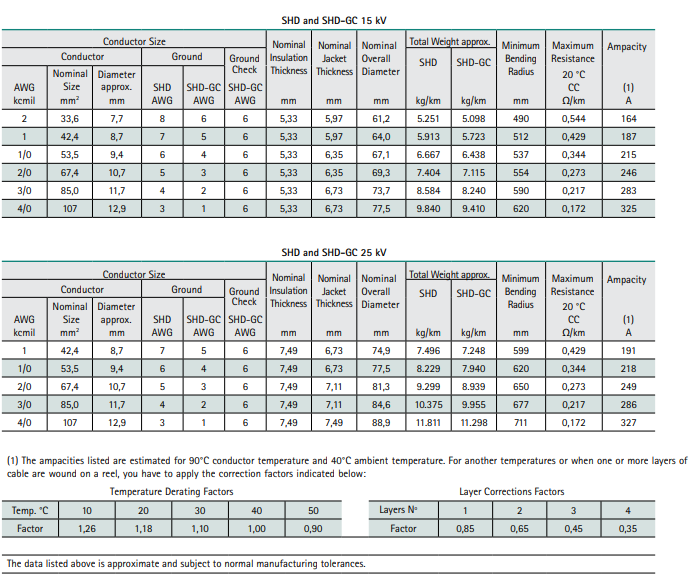
Voltage and Insulation Thickness
Insulation thickness increases with voltage level to maintain uniform electric stress:
2 kV: 1.78 mm – 2.41 mm
5 kV: 2.79 mm – 3.05 mm
8 kV: 3.81 mm
15 kV: 5.33 mm
25 kV: 7.49 mm
Ampacity Derating
The listed ampacity values assume 90 °C conductor and 40 °C ambient. Adjustments are required under different conditions:
Temperature correction: 10 °C → 1.26; 20 °C → 1.18; 30 °C → 1.10; 50 °C → 0.90
Reel‑layer correction: 2 layers → 0.85; 3 layers → 0.65; 4+ layers → 0.45
Installation Best Practices
Do not bend below the minimum radius listed in specifications
Avoid sharp edges and excessive tension during pulling
Inspect jackets regularly for cuts or abrasion
Test ground‑check circuits monthly to ensure continuity
Store on wooden reels in dry, shaded areas when not in use
Frequently Asked Questions
Can SHD‑GC be used in fixed installations?
Yes, though it is designed primarily for dynamic service. Its high safety rating makes it suitable wherever reliability is critical.
What is the difference between SHD‑GC and MP‑GC?
MP‑GC is a similar design but usually has a different grounding arrangement and lower voltage rating. SHD‑GC conforms to ICEA S‑75‑381 and covers higher voltages up to 25 kV.
Is Hypalon jacket replaceable with other materials?
Feichun offers optional TPU or LSZH jackets, but Hypalon remains the best choice for heavy‑duty mining due to its balanced performance across all properties.
How does the ground‑check system work?
It uses a separate insulated conductor to complete a low‑voltage monitoring circuit. If the ground path resistance increases or breaks, the system sends a signal to the control panel.
Do these cables meet South African flame requirements?
Yes, they meet FT‑5 flame retardancy and align with the safety requirements of the Mine Health and Safety Act and SANS standards.
Conclusion
Type SHD and SHD‑GC mining cables represent the result of decades of engineering evolution, specifically tailored to the most demanding power delivery environment on earth. Their design is built on three solid foundations: material science, electrical engineering, and mechanical durability. By combining EPR insulation, double shielding, and a heavy‑duty Hypalon jacket, they solve the problems that ordinary cables simply cannot withstand.
SHD‑GC, in particular, adds the critical dimension of continuous safety monitoring, aligning perfectly with South Africa’s strict mining regulations. The higher initial investment is offset by a service life two to three times longer, reduced maintenance, and fewer unplanned outages.
Feichun’s equivalent offering ensures that these benefits are accessible to mining operators across Southern Africa without compromising on quality or safety.
If you need technical datasheets, detailed dimensions, price quotations, or assistance in selecting the right cable for your project, please contact the Feichun technical and sales team:
Email Address: Li.wang@feichuncables.com
© 2025. All rights reserved.
One-click to Quickly Contact
Products
Contact
Company
Location:
Building A Private Science and Technology Park, Hefei Economic and Technological Development Zone, Anhui Province, China
Heat Resistant Cable
WhatsApp: +86 17333223430
Social Media: