Anhui Feichun Special Cable Co.,Ltd Email: Li.wang@feichuncables.com
Type G‑GC Heavy Duty Mining Trailing Cable: Engineered EPR Insulation, Hypalon Jacket & Ground Check Safety for South African Mobile Mining Equipment Like Continuous Miners & Shuttle Cars
Specially engineered for South African underground and surface mines, Type G‑GC 2 kV trailing cables deliver superior safety, flexibility, and durability. Learn how EPR insulation, Hypalon/CPE jackets, and ground‑check systems reduce downtime, meet SANS/ICEA/MSHA standards, and outperform ordinary cables in harsh mining conditions.
Li.Wang
6/30/202612 min read
Introduction
In the mining industry, few components are as critical yet as often overlooked as trailing cables. These flexible power lines serve as the lifeline for every piece of mobile equipment operating underground and on surface sites. In South Africa, where mining operations extend as deep as 4 kilometers below ground, conditions push electrical systems to their absolute limits. High humidity, extreme temperature fluctuations, abrasive rock, chemical exposure, and constant movement create an environment where standard industrial cables simply fail to perform.
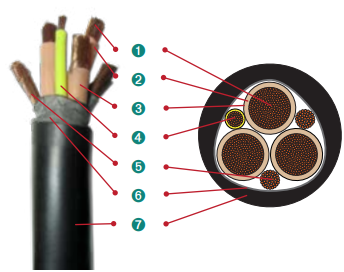
Type G‑GC heavy‑duty portable trailing cable is not an ordinary cable. It is a purpose‑built electrical system engineered specifically for the unique demands of mining. Its full designation describes its core function: three extra‑flexible copper phase conductors, ethylene‑propylene rubber (EPR) insulation, two dedicated grounding conductors, one continuous ground‑check monitoring conductor, and a robust Hypalon™ or chlorinated polyethylene (CPE) jacket, rated for 2 000 volts AC.
This article explains why Type G‑GC has become the global benchmark for powering continuous miners, drill jumbos, load‑haul‑dump units, shuttle cars, conveyors, and dewatering pumps. It explores the engineering principles behind its construction, the materials science that delivers its long service life, and how it aligns with South African regulations and operational realities. For mine managers, electrical engineers, and procurement specialists, understanding this cable is essential to improving safety, reducing unplanned downtime, and lowering total operating costs.
Basic Overview & Technical Specifications
General Description and Voltage Rating
Type G‑GC is classified as a heavy‑duty portable trailing cable designed exclusively for three‑phase alternating current circuits where permanent grounding and fault monitoring are mandatory. It operates safely at a maximum continuous voltage of 2 000 volts, making it suitable for all standard low‑voltage distribution networks used in South African coal, platinum, and gold mines. Its thermal ratings are equally impressive: a continuous conductor temperature of 90 °C, an emergency overload rating of 130 °C, and a short‑circuit withstand capacity of 250 °C. This thermal stability allows the cable to handle temporary overloads and fault conditions without immediate degradation.
Compliance with International and Local Standards
To ensure reliability and legal compliance, Type G‑GC is manufactured and tested against globally recognized specifications. The primary design standard is ICEA S‑75‑381 / NEMA WC‑58, which defines construction, materials, and performance requirements for portable mine power cables. In the United States, it meets MSHA 30 CFR 75.703, a regulation that mandates ground‑check monitoring for underground coal mines to prevent electric shock and fire hazards.
In South Africa, the equivalent framework is covered by SANS 1520‑2, SANS 1411, and SANS 10108, which govern electrical installations in mines. These standards closely mirror ICEA and MSHA requirements, meaning Type G‑GC is functionally equivalent to local specifications such as Type 41, Type 63, and Type 66 trailing cables commonly used across the Southern African mining sector. Additional standards include ASTM B‑172 for flexible rope‑lay conductors and ISO 9001 for consistent manufacturing quality.
Size Range and Electrical Performance
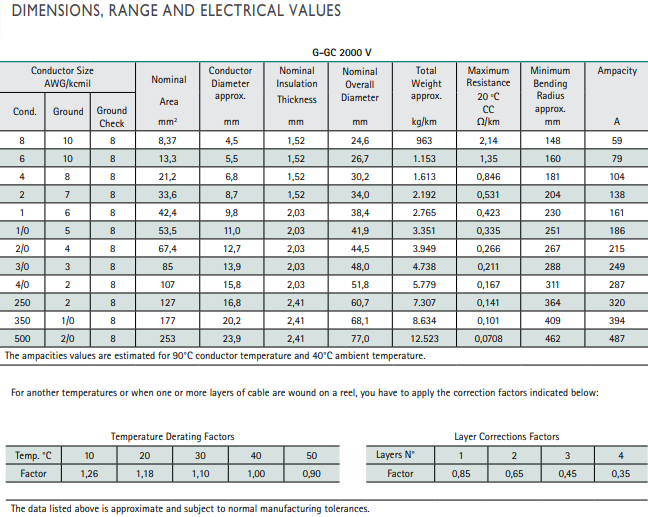
The cable is available in a comprehensive range of conductor sizes to match equipment from small pumps to large longwall shearers. Phase conductors range from 8 AWG (8.37 mm²) up to 500 kcmil (253 mm²). Grounding conductors are sized proportionally from 10 AWG to 2/0 AWG, while the ground‑check conductor remains a standard 8 AWG across the range to ensure consistent monitoring performance.
Electrical resistance at 20 °C varies from 2.14 ohms per kilometer for the smallest size down to just 0.0708 ohms per kilometer for the largest. Ampacity ratings, calculated at 90 °C conductor temperature and 40 °C ambient, span from 59 amps to 487 amps. It is important to apply correction factors when operating in higher temperatures or when cables are wound on reels. At 50 °C ambient, capacity drops by 10 %, while three layers of coiled cable reduce effective capacity by 55 % due to restricted heat dissipation.
Mechanically, the cable maintains flexibility with a minimum bending radius of approximately six times its overall diameter. For example, a 4/0 AWG cable requires a bend radius of 311 mm, while the largest 500 kcmil size requires 462 mm. This design ensures the cable can be reeled, dragged, and routed around corners without internal damage.
Structure Design & Material Science
The superior performance of Type G‑GC comes from a carefully engineered layered construction, where every material and dimension serves a specific electrical, mechanical, or environmental purpose.
Layer‑by‑Layer Construction
Conductors
At the core are three phase conductors made from extra‑flexible annealed soft copper, constructed in rope‑lay stranding according to ASTM B‑172. This method uses hundreds of fine copper wires twisted in multiple layers, which distributes bending stress evenly across the cross‑section. From a physics perspective, this reduces the maximum strain experienced by any single filament during repeated flexing, preventing fatigue and breakage. High‑purity copper ensures low electrical resistance, minimizing energy loss and heat generation.
Two additional bare flexible copper conductors provide the primary grounding path. Their low impedance ensures fault currents are carried safely back to the source, tripping protection devices quickly. Separately, the ground‑check conductor is also made of flexible copper but insulated with high‑density polyethylene (HDPE) in bright yellow. This insulation isolates it from the main ground system, allowing it to function as a continuous monitoring circuit.
Insulation
Each phase conductor is insulated with Ethylene‑Propylene Rubber (EPR). This cross‑linked elastomer is chosen for its unique combination of properties. Electrically, it has a high dielectric strength of over 20 kV per millimeter and extremely low water absorption, making it resistant to water‑treeing—a common cause of premature insulation failure in damp underground environments. Thermally, EPR retains its elasticity at temperatures as low as −50 °C and remains stable up to 150 °C, far exceeding the operating range of PVC or natural rubber. Chemically, it resists ozone, acids, alkalis, and mineral oils, ensuring long life even in chemically aggressive mine water.
Insulation Separator
Over each insulated phase runs a helically wrapped nylon tape. This thin layer serves two key functions: it smooths the electric field distribution around the conductor, eliminating localized stress points that could lead to breakdown, and it acts as a barrier to prevent any chemical interaction between the EPR insulation and the outer jacket materials.
Reinforcement Layer
Beneath the outer jacket lies an open braid of high‑tenacity textile fibers. This layer is the backbone of the cable’s mechanical strength. It resists longitudinal tension when the cable is pulled, prevents the core from contracting under load, and distributes crushing forces radially across the cable. By absorbing mechanical stress, it protects the delicate conductors and insulation from permanent deformation when driven over by heavy equipment.
Outer Jacket
The outermost protection is provided by Hypalon™, a registered trademark for chlorosulfonated polyethylene (CSPE), or general‑grade chlorinated polyethylene (CPE). This thermosetting elastomer is the ideal jacket material for mining. It is highly resistant to abrasion, cutting, oil, grease, sunlight, and flame. Unlike thermoplastics, it does not soften and flow under heat or become brittle in cold. Its chemical structure includes chlorine and sulfonyl groups that make it inert to most mine chemicals and resistant to ozone degradation. Optional jackets include low‑smoke zero‑halogen (LS0H) thermoplastic polyurethane (TPU) for applications where smoke toxicity is a critical concern.
Engineering Principles Behind the Design
The structure of Type G‑GC follows three fundamental engineering disciplines: electrical safety, mechanical endurance, and thermal compatibility.
Electrically, the redundant grounding combined with the continuous monitoring circuit creates a closed‑loop safety system. The principle is simple: the ground‑check conductor forms a low‑voltage circuit that runs parallel to the main ground path. If the ground conductor is severed or its resistance increases due to damage, the monitoring circuit detects the change and triggers an immediate trip, preventing the equipment frame from becoming electrically live.
Mechanically, the design follows the principle of strain reduction. Flexibility is achieved not by using weaker materials, but by using finer strands and elastic polymers. The combination of flexible core, tensile reinforcement, and tough jacket creates a system that is strong in tension, firm in compression, and flexible in bending.
Thermally, the materials are selected to have closely matched coefficients of thermal expansion. As the cable heats up under load, the insulation and jacket expand at nearly the same rate, preventing delamination or the creation of air gaps that could reduce insulation performance.
Core Benefits & Competitive Advantages
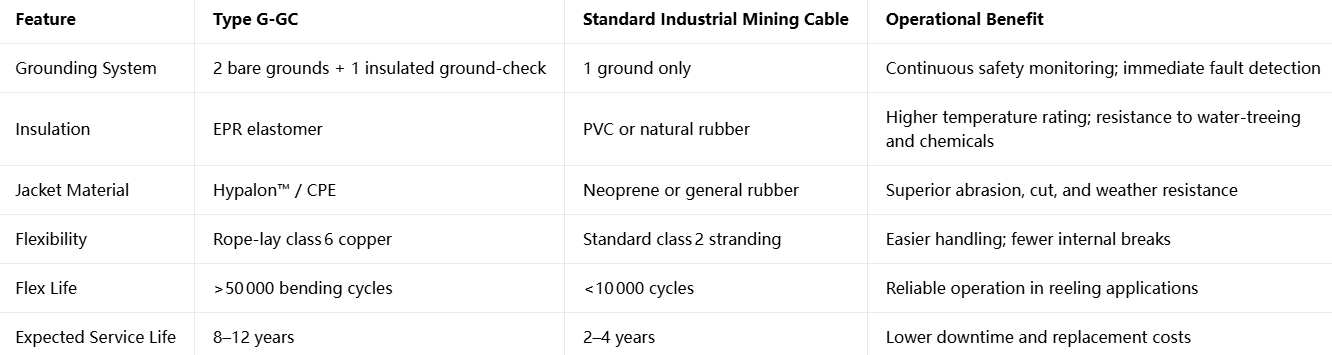
When compared to standard rubber‑insulated or PVC trailing cables, Type G‑GC offers distinct advantages that directly translate to safer operations and lower operating costs.
Safety and Regulatory Compliance
The most significant benefit is the integrated ground‑check system. Ordinary cables rely on a single ground conductor that provides no indication of its condition until a fault occurs. In contrast, Type G‑GC continuously verifies the integrity of the grounding path. Statistics from South African mines show that electrical faults are responsible for approximately 10 % of underground incidents, many of which could be prevented with active monitoring. This feature makes the cable compliant with the strictest requirements of MSHA and SANS, reducing the risk of fines, shutdowns, and liability.
Durability and Service Life
In the field, Type G‑GC typically lasts three to five times longer than standard cables. In South African platinum and coal mines, the average lifespan of a conventional trailing cable is just two to four years, often requiring replacement several times annually. With Type G‑GC, mines report service lives of eight to twelve years, even when subjected to daily dragging over rock and exposure to acid mine water. The EPR insulation does not harden or crack over time, and the Hypalon jacket retains its elasticity, ensuring the cable remains easy to handle throughout its life.
Economic Value
While the upfront purchase price of Type G‑GC is higher than that of standard cables, the total cost of ownership is significantly lower. Reduced replacement frequency means fewer production interruptions. Mining operations in Mpumalanga and Limpopo provinces have documented a 60 % to 75 % reduction in annual cable expenditure after switching to G‑GC, with a corresponding drop in maintenance labor costs. Fewer cable failures also mean fewer unplanned stoppages, which in large mines can cost hundreds of thousands of rand per hour in lost production.
Comparative Overview
Applications & Real‑World Case Studies in South Africa
Typical Mining Equipment and Environments
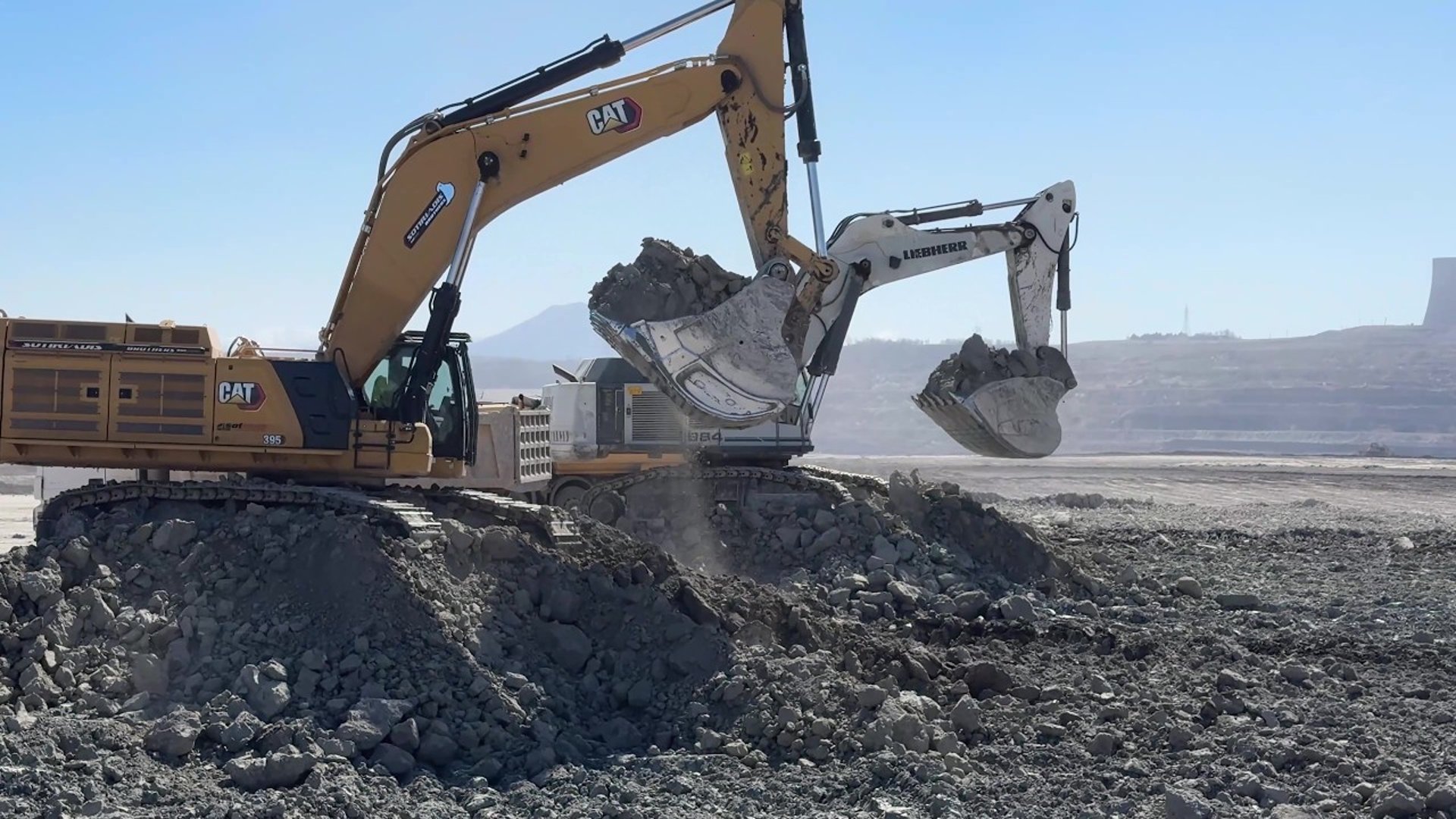
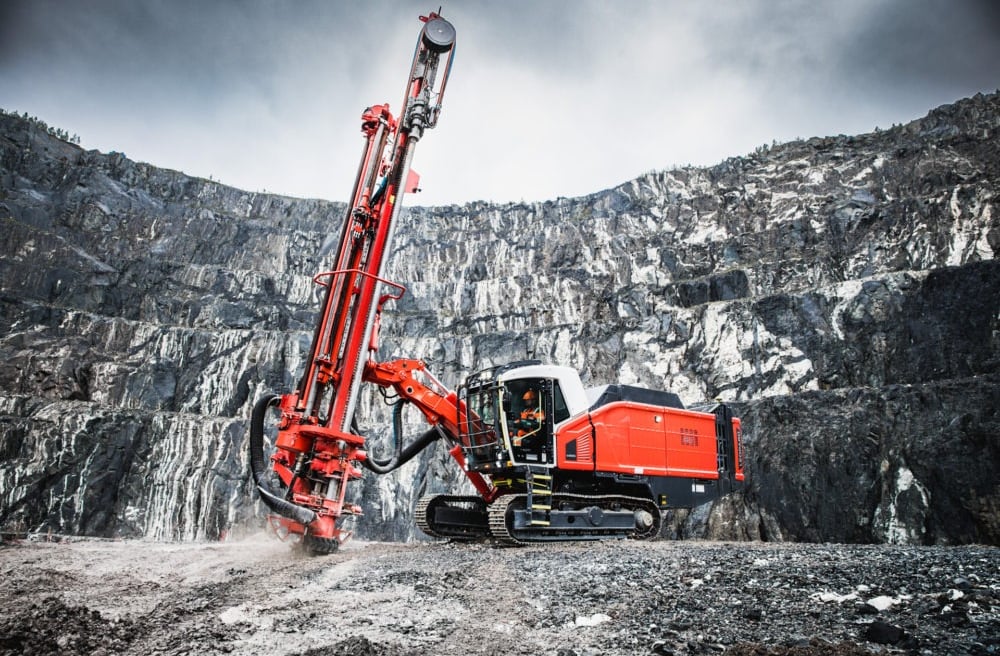
Type G‑GC is specified for all mobile machinery where power must be supplied while the machine moves. This includes continuous miners and longwall shearers in coal operations, drill rigs and bolters in hard rock mines, load‑haul‑dump vehicles, shuttle cars, belt conveyors, and high‑capacity dewatering pumps.
The environment in which these cables operate is uniquely challenging. In South Africa, deep mines experience ambient temperatures ranging from 10 °C near the surface to over 40 °C at depth, with humidity levels often exceeding 90 %. Surface mines in the Northern Cape and Free State face extreme heat, UV radiation, and dust. The cable is designed to be laid directly on the ground, dragged over sharp rock edges, submerged in water, and driven over by heavy vehicles without requiring protective conduits or trays.
Alignment with South African Mining Practices
South Africa’s mining regulations are among the most stringent in the world, shaped by decades of experience and lessons learned from past incidents. The Leon Commission of Inquiry into mine safety in the 1990s specifically highlighted the need for better electrical protection and monitoring systems, leading to stricter enforcement of ground‑fault requirements.
Locally, cables such as SANS Type 66 are widely used, but Type G‑GC offers a direct upgrade. While the electrical and mechanical ratings are similar, the addition of the dedicated ground‑check conductor provides a level of safety that standard SANS types do not. Major suppliers across Southern Africa, including Prysmian and Eland Cables, stock G‑GC variants, recognizing its suitability for local conditions.
Case Examples
Deep Gold Mine, Free State Province
At a gold mine operating at 2 800 meters depth, engineers replaced conventional trailing cables on three longwall faces with 3×350 kcmil Type G‑GC. Prior to the change, cables were replaced every 18 to 24 months due to insulation degradation and jacket cracking. After installation, the G‑GC cables operated continuously for seven years with only minor external abrasion. The ground‑check system triggered three separate alerts before any visible damage occurred, allowing maintenance crews to re‑route the cable and prevent a costly shutdown or equipment failure.
Underground Coal Mine, Mpumalanga
In a large coal mine, shuttle cars powered by standard cables experienced an average of eight failures per year, causing 120 hours of downtime. Switching to Type G‑GC reduced failures to just one minor incident annually. The mine’s electrical department reported that the new cables were easier to handle, maintained flexibility even in winter temperatures, and reduced the risk of ground faults reaching the equipment frame.
Platinum Mine, Limpopo
A platinum operation conducted a cost‑benefit analysis comparing European‑sourced cables and Type G‑GC. While the upfront cost was 30 % higher, the reduction in replacement labor and downtime resulted in a payback period of just 14 months. Over a five‑year cycle, the mine saved approximately 70 % in total expenditure related to trailing cables.
Feichun Type G‑GC: Equivalent Alternative to European Brands
As global demand for reliable mining cables grows, operators in Southern Africa are seeking alternatives to premium European and American brands without compromising safety or performance. Feichun Cables has established itself as a reliable source of Type G‑GC, offering a product that matches international specifications while providing significant logistical and financial advantages.
Compliance and Performance Match
Feichun Type G‑GC is manufactured to the exact same standards as products from Prysmian, General Cable, and Eland Cables. It meets ICEA S‑75‑381, MSHA, SANS, and ASTM specifications. The construction uses identical materials: extra‑flexible rope‑lay copper, EPR insulation, nylon separation tape, fiber reinforcement, and Hypalon™ or CPE jackets. Electrical resistance, ampacity, and temperature ratings are identical to those listed in the original specifications, ensuring interchangeability and no loss of performance.
Key Advantages for African Operations
The primary benefits of selecting Feichun include:
Cost Efficiency: Pricing is typically 25 % to 40 % lower than imported premium brands, freeing up capital for other critical mine infrastructure.
Shorter Lead Times: Standard production runs are completed in four to six weeks, compared to twelve to eighteen weeks for cables shipped from Europe or the Americas. This reduces inventory holding requirements and speeds up project commissioning.
Customization: Feichun can adjust sizes, lengths, and jacket materials to meet specific project needs, including LS0H‑TPU jackets for confined spaces or high‑temperature compounds for extreme environments.
Quality Assurance: Every reel is tested for continuity, insulation resistance, and voltage withstand before leaving the factory, with full documentation and test reports provided for audit purposes.
For South African mines, Feichun cables are compatible with existing equipment and protection systems, requiring no modifications to switch from other brands.
Selection Guide & Technical Best Practices
Selecting the correct Type G‑GC requires more than matching voltage and current ratings. It requires understanding the operating conditions and applying appropriate derating factors.
Sizing Principles
Start with the full‑load current of the machine, then check the ampacity table at 90 °C conductor and 40 °C ambient. If the operating environment is hotter than 40 °C, apply the temperature correction factor. For example, at 50 °C, multiply the rated current by 0.90. If the cable is stored on a reel or in multiple layers, further reduce capacity: two layers require a factor of 0.65, while three layers drop to 0.45.
Voltage drop is another consideration. Over long distances, resistance causes voltage loss. For circuits longer than 200 meters, it is advisable to select the next larger conductor size to maintain proper starting torque and operating voltage.
Variants and Options
Standard G‑GC: 3 phases + 2 grounds + 1 ground‑check, the safest and most common configuration.
Type G: If ground‑check monitoring is not required, the insulated monitor can be replaced with an additional bare ground conductor, increasing fault‑current capacity.
Jacket Choices: Hypalon™ is standard; CPE offers similar performance at lower cost; LS0H‑TPU is recommended for use in confined tunnels where fire and smoke risk is high.
Installation and Maintenance
When installing, never bend the cable tighter than six times its diameter. Use cable guides or rollers to prevent dragging over sharp edges. During operation, visually inspect the jacket daily for cuts or swelling. Monthly insulation resistance tests and quarterly verification of the ground‑check circuit will ensure the cable remains in good condition and the safety system functions correctly.
Frequently Asked Questions
What does “G‑GC” stand for?
The “G” denotes general‑purpose portable power cable with grounding conductors; “GC” stands for ground‑check, indicating the inclusion of the dedicated monitoring circuit.
Can this cable be used above 2 000 volts?
No. The insulation thickness and electrical design are rated for a maximum continuous voltage of 2 000 V AC. Higher‑voltage applications require Type SHD‑GC cables.
Is it suitable for direct burial?
Yes. The robust jacket and water‑resistant insulation allow direct laying on soil or rock, eliminating the need for conduits or trays.
Does it replace SANS Type 41 or Type 66 cables?
It is functionally equivalent and can replace them, offering the added benefit of ground‑check monitoring for improved safety.
What is the warranty and design life?
Feichun offers a standard two‑year warranty against manufacturing defects. With proper handling and maintenance, the design life is 8 to 12 years.
Conclusion
Type G‑GC heavy‑duty trailing cable represents the successful integration of advanced materials science and mechanical engineering. It is not merely a conductor of electricity; it is a safety system, a reliability investment, and a cost‑effective solution for the most demanding mining environments.
Its value proposition is clear: it ensures compliance with strict South African and international safety regulations, protects personnel and equipment through continuous ground monitoring, delivers a service life several times longer than standard cables, and reduces the total cost of ownership over the life of the mine.
For engineers and decision‑makers, choosing Type G‑GC means choosing a solution proven in the deepest gold mines of South Africa, the high‑altitude copper mines of Chile, and the coalfields of Australia. When paired with reliable suppliers like Feichun Cables, operators gain access to world‑class quality without the delays and premium pricing of traditional European imports.
If you need Type G‑GC heavy‑duty trailing cables for your South African or African mining project, or require technical support to select the correct size and configuration, contact our technical sales team:
Our engineers are available to provide detailed quotations, compliance documentation, and application guidance to ensure your power supply remains safe, reliable, and efficient.
Appendices
Full Technical Data Table
Email Address: Li.wang@feichuncables.com
© 2025. All rights reserved.
One-click to Quickly Contact
Products
Contact
Company
Location:
Building A Private Science and Technology Park, Hefei Economic and Technological Development Zone, Anhui Province, China
Heat Resistant Cable
WhatsApp: +86 17333223430
Social Media: