Anhui Feichun Special Cable Co.,Ltd Email: Li.wang@feichuncables.com
TRATOS MTO®‑F …/3E NSSHÖU Rubber‑Sheathed Flexible Cables for Fixed Installation: How DIN VDE 0250 Part 812 Standards Deliver Reliable Power in South African Underground and Open‑Cast Mining
TRATOS MTO‑F …/3E NSSHÖU is a DIN VDE 0250‑812 compliant 0.6/1 kV rubber‑sheathed flexible cable purpose‑built for fixed power circuits in mining, tunnelling and quarries. This article explains its construction, materials, performance edge over general‑purpose cables, real‑world South African use cases, and how Feichun delivers equivalent certified alternatives.
Li.Wang
7/28/202612 min read
Introduction
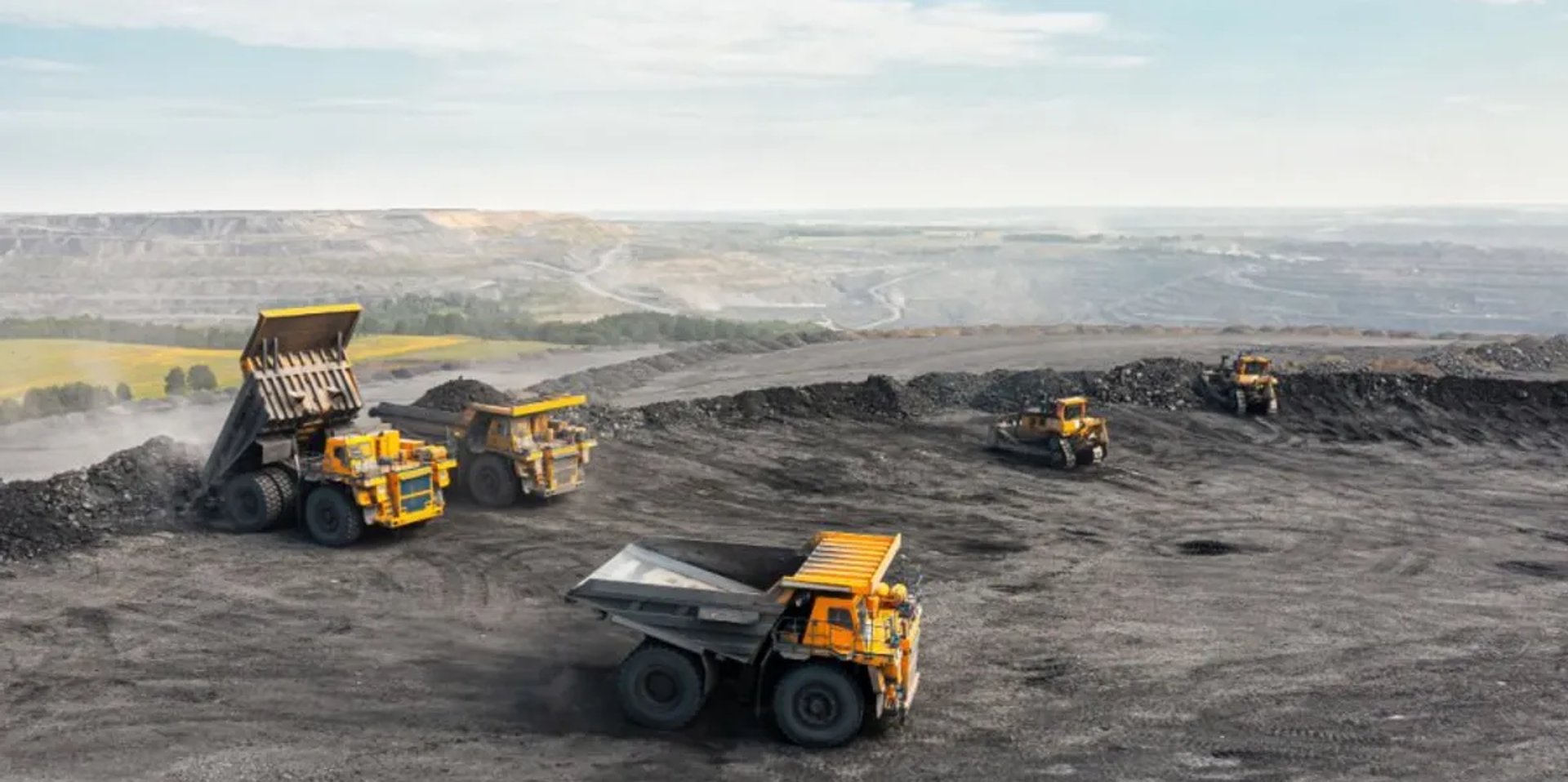
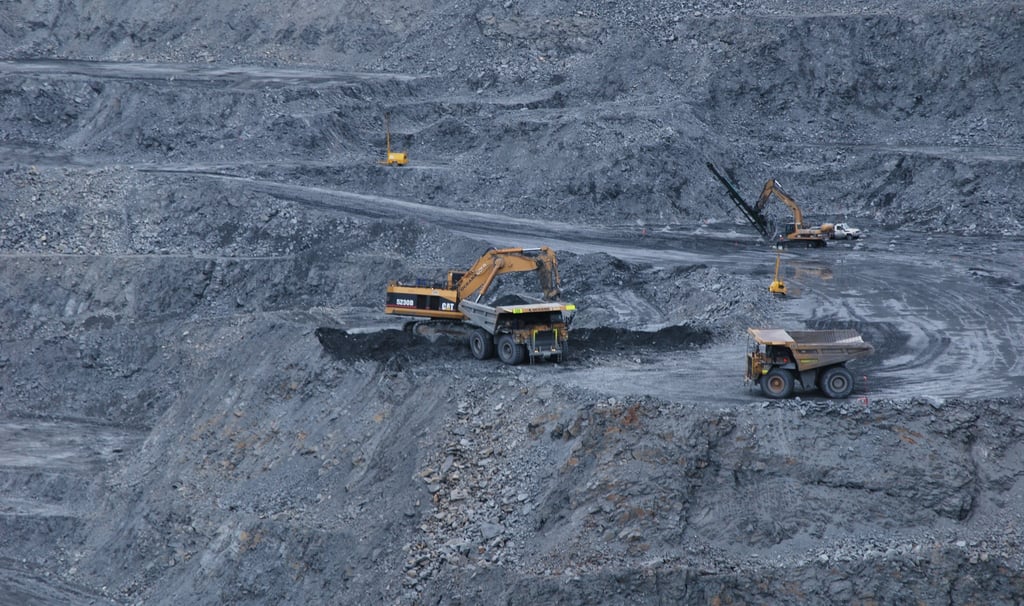
South Africa stands as one of the world’s most important mining nations, producing vast quantities of gold, platinum group metals, coal, diamonds and industrial minerals. Operations stretch from deep underground shafts in the Witwatersrand to vast open‑cast pits in the Northern Cape and Mpumalanga. Every mine relies on continuous, safe power to run pumps, fans, conveyors, crushers and processing equipment. Yet the environment where this power must travel is exceptionally harsh: high humidity, mineral‑laden water, diesel and hydraulic oil splashes, ozone, UV radiation, constant vibration, shock loads from blasting, and abrasive dust that wears away surfaces over time.
Standard rubber cables such as H07RN‑F often struggle here. They may become brittle at low temperatures, swell or soften when exposed to oils, lose insulation integrity under sustained heat, and fail to maintain reliable earth connections during mechanical stress. When a cable fails in mining, the consequences extend far beyond repair costs: unplanned shutdowns can cost millions of rand per day, and faulty wiring creates serious risks of electric shock, arc flash, fire or ignition of flammable gases like methane and coal dust.
TRATOS MTO®‑F …/3E NSSHÖU has been developed specifically to address these challenges. Manufactured to DIN VDE 0250 Part 812 and approved under DIN VDE 0118 for use in potentially explosive mining atmospheres, it is a purpose‑engineered low‑voltage flexible cable designed for fixed installation in underground mining, open‑cast operations, tunnelling and quarries. It combines Class 5 tinned copper conductors, 3GI3 ethylene‑propylene rubber insulation, GM1b vulcanised inner sheath and 5GM5 yellow polychloroprene outer sheath, together with concentric 3E protective‑earth construction, to deliver consistent electrical performance, mechanical toughness and chemical resistance across extreme temperature and environmental ranges.
This article explains the standards governing the cable, the science behind its materials and structure, how it compares to conventional alternatives, and why it has become a trusted choice in South African mining projects. It also outlines selection guidance, introduces Feichun as a fully equivalent certified alternative, and answers common questions for engineers and procurement professionals.
Standards, Ratings and Core Specifications
Governing Standards and Regulatory Alignment
The entire design and testing framework for TRATOS MTO‑F …/3E is built around recognised German and international standards, which are widely accepted across Africa and specifically referenced in South African mining safety practices.
DIN VDE 0250 Part 812 defines the general requirements, construction, materials and test methods for NSSHÖU‑type rubber‑sheathed flexible cables for power applications up to 0.6/1 kV. DIN VDE 0118 sets out additional safety provisions for electrical equipment in mines and similar hazardous locations, covering earth continuity, flame resistance and mechanical robustness – essential for compliance in methane‑rich underground workings. Supporting standards include DIN VDE 0295 for conductor classification, DIN VDE 0207 Parts 20 and 21 for rubber compound specifications such as 3GI3, GM1b and 5GM5, DIN VDE 0298 Parts 3 and 4 for bending radii and current‑carrying capacity, and DIN VDE 0473‑811‑2‑1 and DIN VDE 0482‑265‑2‑1 for oil resistance and fire behaviour respectively.
In South Africa, mining electrical safety is regulated under the Mine Health and Safety Act and enforced through SANS standards. While SANS 1520 focuses primarily on reeling and trailing cables, fixed distribution circuits often rely on designs that meet internationally recognised benchmarks. DIN‑approved cables are frequently accepted as “state‑of‑the‑art” solutions that align with local safety expectations, because they demonstrate rigorous testing and compliance with principles also embedded in SANS regulations. Major operators including BHP and Anglo American routinely specify VDE‑compliant cabling to meet internal safety and procurement requirements.
Electrical and Thermal Ratings
The cable is rated for nominal voltage U₀/U = 0.6/1 kV, with maximum permissible operating voltages of 0.7/1.2 kV in AC systems and 0.9/1.8 kV in DC systems. It must withstand an AC withstand test of 3 kV for five minutes without breakdown, confirming adequate insulation margin for fault and transient conditions.
Thermal performance is a key differentiator. The conductor is rated for continuous operation at 90 °C, substantially higher than many general‑purpose rubber cables typically limited to 60 °C or 70 °C. Under short‑circuit conditions lasting up to one second, the conductor can safely reach 200 °C before material degradation becomes critical. Ambient temperature ranges are –30 °C to +80 °C for fully flexible operation and –40 °C to +80 °C when fixed, allowing installation in high‑altitude shafts, exposed open‑cast sites and both surface and underground processing plants.
Size Range and Configurations
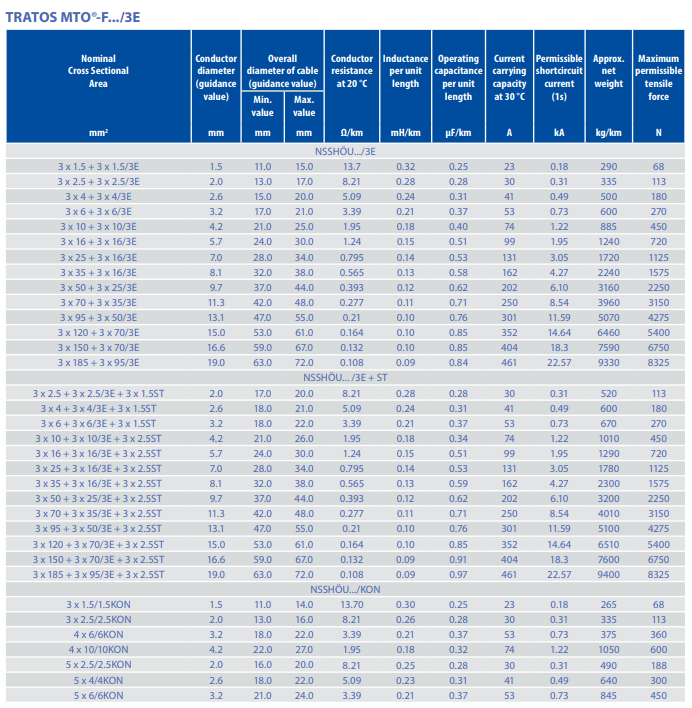
Available constructions span nominal cross‑sections from 1.5 mm² up to 185 mm², with core arrangements including three, four or five power cores paired with concentric protective‑earth conductors. The standard 3E configuration provides earth conductors of equivalent or appropriately rated cross‑section to the power cores, ensuring low fault‑loop impedance and reliable protection device operation. Additional variants include +ST versions with supplementary control cores for auxiliary circuits, and KON designs with dedicated concentric earth arrangements.
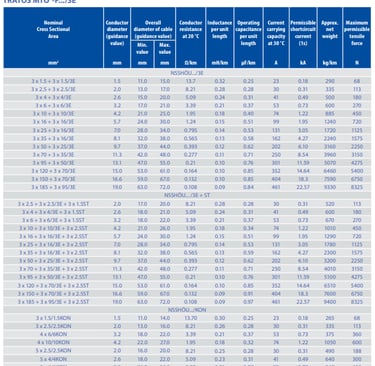
Electrical and mechanical properties vary systematically with size: for example, the 3×1.5+3×1.5/3E has a nominal conductor resistance of 13.7 Ω/km at 20 °C, a current‑carrying capacity of 23 A at 30 °C, and a maximum permissible tensile force of 68 N. At the other end of the range, the 3×185+3×95/3E shows 0.108 Ω/km resistance, 461 A capacity and 8 325 N maximum tension. Inductance and capacitance values are also provided to assist with protection coordination and voltage‑drop calculations.
Construction, Materials and Underlying Science
Layer‑by‑Layer Build and Material Specifications
Every component is selected and engineered to work as an integrated system, not just as individual layers:
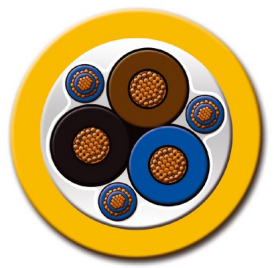
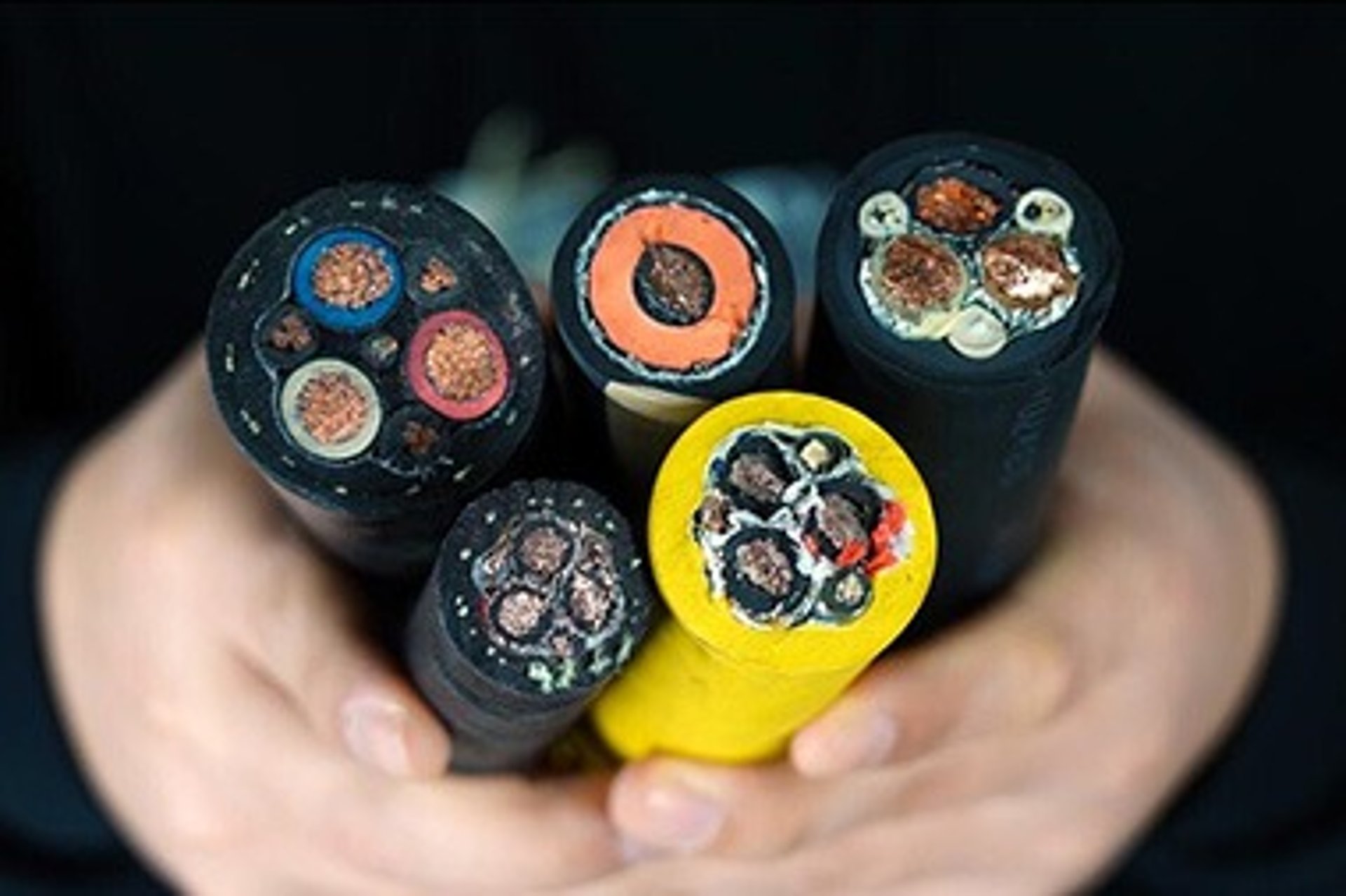
Conductor: Finely stranded tinned copper, Class 5 according to DIN VDE 0295. This stranding balances conductivity, flexibility and resistance to fatigue from vibration and minor movement. Tinning prevents oxidation and corrosion in damp or chemically active mine atmospheres.
Insulation: Ethylene‑propylene rubber compound 3GI3 to DIN VDE 0207 Part 20. EPR offers excellent dielectric properties, low dielectric loss and strong resistance to thermal ageing and corona discharge, maintaining performance at 90 °C where natural or styrene‑butadiene rubbers soften or degrade.
Protective‑earth arrangement: Individual or overall concentric lay of tinned copper conductors, sized to match the power cores appropriately. This concentric placement is central to the cable’s safety performance.
Inner sheath: Vulcanised EPR rubber compound GM1b to DIN VDE 0207 Part 21. It bonds well to the insulation, absorbs mechanical shear and provides a consistent base for the outer sheath while maintaining electrical integrity.
Outer sheath: Polychloroprene‑based rubber compound 5GM5 to DIN VDE 0207 Part 21, coloured bright yellow for visibility in low‑light conditions. This formulation delivers high tensile strength, tear resistance, abrasion resistance, oil resistance, ozone resistance and flame retardancy.
Engineering Principles Behind the Design
The choice of Class 5 stranding follows both electrical and mechanical principles. Finely stranded conductors reduce skin‑effect losses at higher frequencies and improve flexibility, allowing the cable to follow uneven surfaces and tolerate minor movement without conductor fatigue failure. Tinning follows electrochemical principles: it forms a stable surface layer that resists oxidation and sulphide attack, preserving low contact resistance at terminations and joints.
Using 3GI3 EPR insulation relies on polymer science: the saturated hydrocarbon backbone of EPR resists oxidative breakdown and cross‑linking under heat and electrical stress, maintaining elasticity and insulation resistance over decades. Unlike many other rubbers, EPR does not soften significantly at elevated temperatures or become brittle at low extremes, preserving mechanical integrity across –40 °C to +90 °C.
The concentric 3E earth system is designed around electrical safety and electromagnetic principles. By placing earth conductors evenly around the power cores, the arrangement creates a symmetrical fault‑current path with low and predictable impedance. This symmetry ensures that during an earth fault, potential gradients remain lower and more uniform, reducing touch and step voltages that pose risks to personnel. It also approximates a coaxial geometry that suppresses electromagnetic interference, helping protect sensitive control and monitoring signals often deployed alongside power circuits in modern mines.
The dual‑sheath system works on the principle of complementary protection. The GM1b inner sheath is chemically matched to the EPR insulation, ensuring good adhesion and preventing delamination under temperature cycling or mechanical stress. The 5GM5 outer sheath provides the primary defence against abrasion, oil, ozone and weathering, while its formulation retains flexibility even at –40 °C. Limiting maximum tensile load to 15 N/mm² ensures that mechanical stress remains distributed across the whole assembly rather than concentrating in the conductors, avoiding the common failure mode where conductors break while the sheath remains intact.
Science‑Backed Performance Outcomes
Together these design choices deliver measurable advantages. Electrically, consistent insulation quality and concentric earthing reduce the risk of undetected insulation degradation and ensure protective relays operate within design times. Mechanically, vulcanised rubber compounds and controlled stranding resist cracking, tearing and fatigue under repeated shock and vibration. Chemically, the polymer structures resist swelling or softening when exposed to mineral oils, hydraulic fluids and mine water, while ozone‑resistant backbones prevent surface cracking from UV and electrical discharge. Thermally, the 90 °C rating allows higher current capacity for a given cross‑section or longer life at the same load, and the –40 °C lower limit ensures reliable installation in winter‑exposed open pits and high‑altitude shafts.
Performance Edge Over General‑Purpose Cables
Common Failures in Standard Cables
General‑purpose flexible rubber cables such as H07RN‑F are widely used in industry but are not engineered for mining‑grade conditions. Their insulation and sheath materials typically have lower temperature limits, poorer oil resistance and weaker ozone resistance. In practice, this often leads to sheath cracking from UV or ozone exposure, insulation swelling or softening from oil contamination, and accelerated ageing at continuous high loads. Most critically, they use a separate, smaller cross‑section earth conductor rather than a concentric matched‑size arrangement, resulting in higher fault‑loop impedance that can delay or prevent protective device operation – a serious safety concern in mines. They also lack the specific testing and approval required for classified hazardous areas under DIN VDE 0118 or equivalent local regulations.
Differentiators and Solved Pain Points
TRATOS MTO‑F …/3E directly addresses four major failure modes seen in mining power cables:
First, insulation degradation is countered by 3GI3 EPR insulation rated for 90 °C continuous service and tested to 3 kV, with proven resistance to thermal ageing and electrical stress.
Second, loss of earth continuity is mitigated by the 3E concentric system, which maintains a robust, low‑impedance fault path even when the cable is subjected to bending, vibration or minor mechanical damage.
Third, mechanical failure is addressed through Class 5 stranding, dual vulcanised sheaths and a defined 15 N/mm² tensile limit, ensuring the cable survives installation and operational stress without hidden damage.
Fourth, non‑compliance and safety gaps are resolved through full alignment with DIN VDE 0250‑812 and DIN VDE 0118, providing the necessary documentation and test evidence for mine safety audits and regulatory approval.
Field experience indicates that properly installed NSSHÖU‑type cables typically extend replacement cycles by 30 % to 50 % compared with standard rubber cables in equivalent mining applications, while significantly reducing unplanned interruptions and safety incidents.
South African Mining: Application, Compliance and Real‑World Value
Operating Environment and Regulatory Landscape
South African mines face some of the most demanding conditions globally. Underground, workings can be deep, hot and humid, with water ingress and methane‑rich atmospheres. Surface operations see wide temperature swings, wind‑blown dust, heavy equipment movement and exposure to fuels and maintenance fluids. The Mine Health and Safety Inspectorate enforces strict rules for electrical installations, requiring equipment to be suitable for the location and certified to recognised standards.
While SANS 1520 sets specifications for reeling and trailing cables, fixed distribution circuits feeding motors, switchgear and permanent plant rely on cables that meet complementary performance criteria. DIN VDE‑approved designs such as NSSHÖU are accepted because they provide demonstrated compliance with principles also embedded in SANS requirements, including earth continuity, mechanical strength and flame resistance.
Typical Deployments
TRATOS MTO‑F …/3E is used for fixed installation power circuits rather than continuous reeling or dragging, making it ideal for:
Underground: main water pumps, main ventilation fans, belt conveyor drives, fixed ends of armoured face conveyors, junction boxes and distribution boards in gold, platinum and coal mines.
Open‑cast: crusher feeders, stacker and reclaimer fixed runs, drill rig power supplies, substation interconnections and processing plant motors.
Quarries and tunnelling: rock crusher drives, conveyor systems, dewatering pumps and ventilation fans in abrasive, damp environments.
Compliance, Safety and Operational Benefits
Compliance with DIN VDE 0118 provides a baseline suitability assessment for use in potentially explosive gas and dust atmospheres, aligning with South African expectations for electrical equipment in classified zones. The yellow sheath improves visibility in poorly lit shafts and tunnels, reducing accidental mechanical contact. In the event of a fault, the concentric earth arrangement helps ensure fast, reliable operation of earth‑leakage and overcurrent protection, limiting fault duration and reducing risks of electric shock, fire and secondary explosion. Flame‑retardant, low‑smoke construction further aids safe evacuation and minimises equipment damage.
Operationally, extended service life reduces procurement costs and maintenance labour, while fewer unplanned shutdowns protect production schedules and revenue. Insurance providers and auditors often view the use of fully certified, purpose‑built cabling as evidence of effective risk management, potentially influencing premiums and liability assessments. International operators with established global standards find consistency in using VDE‑compliant products across operations in Africa, Europe and elsewhere.
Selection Guide and Best Practices
When to Specify TRATOS MTO‑F …/3E
Choose this cable for fixed power circuits where:
The installation is located in underground or open‑cast mines, tunnels or quarries;
Compliance with DIN VDE 0118 or equivalent safety standards is required or preferred;
High mechanical stress, oil contamination, moisture, ozone or wide temperature ranges are anticipated;
Long service life and low total cost of ownership are priorities over lowest initial purchase price.
Sizing and Configuration Principles
Select conductor cross‑section based on calculated load current, installation method, grouping and ambient temperature, using the current‑carrying capacity tables in DIN VDE 0298 Part 4 as a reference. Always verify voltage drop and short‑circuit withstand for the specific installation.
For safety, prioritise the 3E concentric earth configuration, with earth conductor cross‑sections sized according to the manufacturer’s tables and protection requirements. Where auxiliary control or monitoring circuits are needed, select the +ST variant. For dedicated earth arrangements, the KON range provides an alternative layout option.
Installation and Handling
Observe minimum bending radii specified in DIN VDE 0298 Part 3 to avoid over‑stressing insulation and conductors. Limit pulling tension to 15 N/mm² of conductor cross‑section and use suitable pulling eyes or grips that distribute load evenly. Protect the cable from sharp edges, hot surfaces and prolonged contact with chemicals not compatible with 5GM5 or 3GI3. Terminate earth conductors securely to maintain low resistance along the entire fault path.
Feichun: Equivalent Certified Alternative
Feichun manufactures fully equivalent cables designed to match or exceed all performance and compliance requirements of TRATOS MTO‑F …/3E NSSHÖU. The construction mirrors the original specification: Class 5 tinned copper conductors, 3GI3‑grade EPR insulation, GM1b inner sheath and 5GM5 yellow outer sheath, with the same concentric 3E earthing options.
All applicable standards – including DIN VDE 0250 Part 812, DIN VDE 0118, DIN VDE 0295 and DIN VDE 0207 series – are fully addressed, with test documentation and certification available for tender evaluation and regulatory review. Performance characteristics – voltage ratings, temperature limits, tensile strength, oil resistance and flame behaviour – align with the original specification, ensuring interchangeability in new projects and retrofits.
Beyond technical equivalence, Feichun offers procurement advantages often critical for African mining projects: shorter lead times, competitive pricing and consistent quality control without compromising traceability or compliance. This combination allows project teams to maintain rigorous safety and performance standards while managing supply‑chain reliability and capital expenditure more effectively.
Frequently Asked Questions
Why use concentric 3E earthing instead of a separate earth core?
Concentric placement provides symmetrical fault‑current paths with lower and more predictable impedance, helping protection relays operate reliably and reducing potential gradients that present shock hazards. It also offers greater mechanical protection for the earth conductor and reduces electromagnetic interference.
Can this cable replace SANS 1520 trailing cables?
No. SANS 1520 primarily covers cables intended for repeated reeling and dragging. TRATOS MTO‑F …/3E is designed for fixed installation, though it retains sufficient flexibility for installation and minor movement. For continuous reeling applications, dedicated reeling cables should be selected.
What is the practical difference between NSSHÖU and H07RN‑F?
NSSHÖU is built to DIN VDE 0250 Part 812 with mining‑specific approval, higher continuous temperature rating, superior oil and ozone resistance, matched‑size concentric earthing and enhanced mechanical properties. H07RN‑F is a general‑purpose flexible cable not validated for the same level of environmental or mechanical stress.
Is the –40 °C rating verified in practice?
Yes. The material formulations and construction are tested to maintain flexibility and performance at these temperatures, making the cable suitable for high‑altitude and winter‑exposed sites.
How does the 5GM5 sheath perform against mine oils?
5GM5 is tested for resistance to mineral oils and hydraulic fluids according to DIN VDE 0473‑811‑2‑1, showing minimal swelling and retention of mechanical properties under specified exposure conditions.
Will Feichun supply test certificates for regulatory approval?
Yes. Full certification, type‑test reports and production compliance documentation are available to support mine safety inspections and tender requirements.
Conclusion
TRATOS MTO®‑F …/3E NSSHÖU is more than a heavy‑duty rubber cable – it is a purpose‑engineered system built around a clear understanding of how mining environments damage electrical installations and how proper design can prevent those failures. By combining 3GI3 EPR insulation, GM1b inner sheath, 5GM5 outer sheath and concentric 3E earthing under DIN VDE 0250 Part 812 and DIN VDE 0118, it delivers a complete technical solution that addresses insulation integrity, mechanical endurance, environmental resistance and electrical safety in a single, harmonised design.
For South African mining and tunnelling projects, this alignment brings tangible benefits: compliance with recognised safety standards, proven performance against local operating conditions, longer service life, fewer interruptions and reduced risk to personnel and assets. While the initial investment may be higher than general‑purpose alternatives, the total cost of ownership is typically lower when maintenance, downtime and safety exposure are properly accounted for.
Feichun’s equivalent offering ensures that these performance and compliance advantages remain accessible, with shorter lead times and competitive pricing that do not compromise certification or quality.
If you would like to specify these cables for your project or request datasheets, quotations or compliance documentation, contact the Feichun team directly at Li.wang@feichuncables.com.
Email Address: Li.wang@feichuncables.com
© 2025. All rights reserved.
One-click to Quickly Contact
Products
Contact
Company
Location:
Building A Private Science and Technology Park, Hefei Economic and Technological Development Zone, Anhui Province, China
Heat Resistant Cable
WhatsApp: +86 17333223430
Social Media: