Anhui Feichun Special Cable Co.,Ltd Email: Li.wang@feichuncables.com
From Witwatersrand Gold Shafts to Platinum Pits: How TRATOS MTO®-F …/3E Rubber-Sheathed NSSHÖU Cables Solve Grounding Failures and Mechanical Damage in Fixed Mining Installations
TRATOS MTO®‑F …/3E NSSHÖU rubber‑sheathed flexible cables are purpose‑built for fixed installation in South Africa’s deep gold mines, platinum operations, opencast coal and diamond pits. With 3E concentric earthing, Class 5 tinned copper, 3GI3 EPR insulation, GM1b inner and 5GM5 PCP outer sheath, and full DIN VDE 0250‑812 / DIN VDE 0118 compliance, they fix common failures like poor grounding, sheath cracking and oil swelling – delivering longer life, fewer shutdowns and safer power for Witwatersrand shafts and beyond.
Li.Wang
7/27/202611 min read
Introduction – When “Standard” Cables Fail Where South Africa Mines Need Them Most
Deep beneath the Witwatersrand basin, where gold shafts plunge nearly four kilometres into hot, humid rock, and across the platinum reefs of the North West and coalfields of Mpumalanga, power cables face a test few standard industrial products can pass. Mine managers and electrical engineers know the pattern well: a cable that meets basic specifications on paper will still fail prematurely – its protective earth breaking under vibration, its sheath softening in oil or cracking in cold snaps, its insulation degrading faster than expected in high heat and chemical‑laden air. Each failure brings more than repair costs: it stops production, risks worker safety, triggers regulatory scrutiny, and often forces costly emergency replacements deep underground or across remote opencast sites.
TRATOS MTO®‑F …/3E NSSHÖU is not simply a better version of an ordinary flexible cable. It is a fully engineered system built from the ground up for fixed installation in mining, tunnelling and quarrying – designed around three non‑negotiable pillars: electrical safety through redundant earthing, mechanical toughness through layered rubber construction, and uncompromising compliance with the world’s strictest mining electrical standards. Where general‑purpose cables are built to work most of the time under average conditions, this cable is built to keep working when conditions are at their worst.
Its core strengths lie in four distinct areas: structural safety delivered by 3E multi‑earthing redundancy and double vulcanised rubber sheathing, directly addressing the two most common failure modes – loss of protective continuity and mechanical breach of the cable envelope; material matching that pairs Class 5 tinned copper conductors with 3GI3 EPR insulation, GM1b inner sheath and 5GM5 PCP outer sheath, creating end‑to‑end protection across electrical, thermal, mechanical and chemical stressors; rigorous adherence to DIN VDE 0250‑812 and DIN VDE 0118, the standard that governs electrical installations in mines, making it acceptable for regulated work without compromise; and wide environmental coverage that operates reliably across extreme temperatures, resists oil and ozone, and works equally well indoors and outdoors – from cramped underground roadways to sun‑baked opencast benches.
For South African operations, this alignment is critical. The country’s mining sector faces some of the planet’s most demanding environments, alongside a regulatory framework that closely mirrors German VDE standards through SANS alignment. Ordinary cables often pass initial inspection but fall short in daily service – they “work” until they do not. TRATOS MTO®‑F …/3E is engineered to close that gap, delivering performance that matches the severity of the application and the rigour of the rules that govern it.
Full Technical Specifications – From Datasheet to Real‑World Ratings
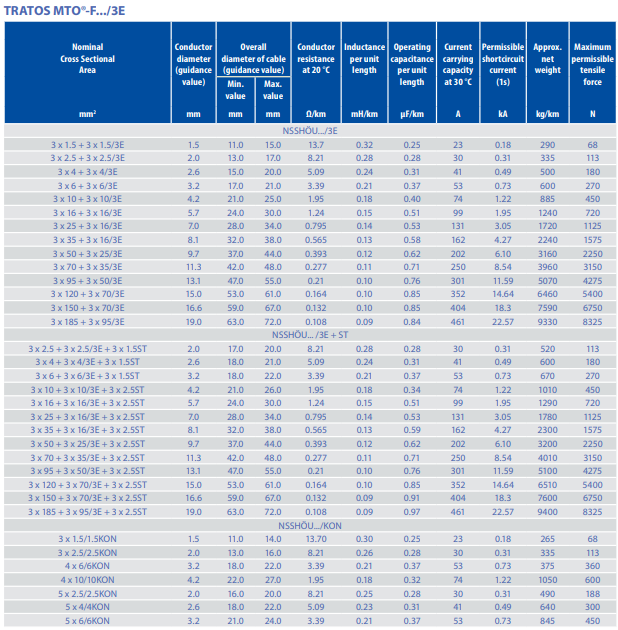
All parameters below are taken directly from the official TRATOS VDE MTO product specification dated May 2014, confirmed against DIN VDE standards and consistent with industry‑accepted values for NSSHÖU‑type mining cables.
Electrical and Thermal Parameters
The cable carries a rated voltage of U₀/U = 0.6/1 kV, with maximum permissible operating levels of 0.7/1.2 kV in AC systems and 0.9/1.8 kV in DC systems. It withstands an AC test voltage of 3 kV, confirming robust insulation integrity above its nominal rating. Current‑carrying capacity follows DIN VDE 0298 Part 4, with values provided for 30 °C ambient and adjusted for higher or lower temperatures in practice.
The conductor is Class 5 finely stranded tinned copper to DIN VDE 0295, with DC resistance at 20 °C listed for every cross‑section from 1.5 mm² up to 185 mm². Maximum continuous conductor temperature reaches 90 °C, allowing higher current density than standard 70 °C rubber or PVC cables, while short‑circuit withstand is rated at 200 °C for one second – giving protection relays enough time to trip safely without permanent damage.
Ambient temperature ranges are defined separately for fixed installation and fully flexible use: fixed installation operates reliably from –40 °C to +80 °C, while fully flexible operation spans –30 °C to +80 °C. These limits reflect the cable’s ability to retain elasticity and insulation performance even in the bitter cold of high‑altitude winter work or the intense heat of deep mines and surface summer conditions.
Mechanical specifications include a maximum tensile load of 15 N/mm², a value chosen to withstand the forces encountered during installation in shafts and along conveyors, and minimum bending radii set out in DIN VDE 0298 Part 3 to prevent stress concentrations that could crack insulation or break conductor strands.
Chemical and environmental performance covers oil resistance tested to DIN VDE 0473 Part 811‑2‑1 Paragraph 10, fire behaviour assessed to DIN VDE 0482 Part 265‑2‑1 Paragraph 10, and unrestricted indoor and outdoor use with proven resistance to ozone and moisture – essential in South Africa’s sun‑exposed opencast operations and humid underground workings.
Size Range and Configurations
Three main variants are available to suit different installation needs:
NSSHÖU …/3E: The standard form, with three, four or five power cores paired with concentric protective earth conductors – sizes run from 3×1.5+3×1.5/3E up to 3×185+3×95/3E, covering most motor, distribution and pump loads.
NSSHÖU …/3E + ST: Includes additional auxiliary cores for control, signalling or instrumentation – useful where fixed installations also carry monitoring circuits for motor protection, interlocks or condition‑based maintenance systems.
NSSHÖU …/KON: Overall concentric construction for compact routing where space is limited, such as in shaft risers or narrow ducting.
Each variant follows the same core material and performance rules, differing only in conductor count and layout to match specific circuit requirements. Marking follows the format: year of manufacture, VDE mark, product name, configuration and cross‑section – making compliance verification straightforward for inspectors and site engineers.
Layer‑by‑Layer Design and Material Science – Why Every Choice Is Deliberate
The cable’s construction is not arbitrary; every layer, material and compound is selected to address specific failure modes seen in mining environments.
Electrical Science Behind the Design
Ethylene‑propylene rubber (EPR) compound 3GI3 is chosen for its stable saturated polymer backbone, which delivers low dielectric loss, high insulation resistance and consistent performance at 90 °C – allowing higher current‑carrying capacity without accelerating thermal ageing. Unlike PVC or standard rubber compounds, EPR resists ozone attack from electrical discharge and atmospheric exposure, and does not soften or swell significantly when exposed to mineral oils and greases common around crushers, gearboxes and hydraulic equipment.
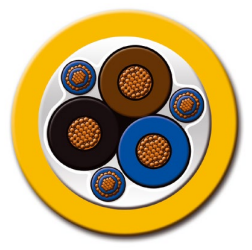
The 3E concentric earthing arrangement is the most distinctive safety feature. Instead of a single separate earth core that can shift, stretch or break under mechanical stress, the protective earth conductors are laid concentrically around the power cores – either individually between them or as an overall layer. This creates a symmetrical electrical structure that equalises electric fields, ensures the shortest possible low‑impedance path for fault currents, and maintains continuity even if part of the cable is damaged. In practice, this reduces touch and step voltages to safe levels and guarantees that earth‑fault protection will operate reliably – a requirement explicitly addressed in DIN VDE 0118 and enforced in South African mining regulations.
Mechanical Engineering Principles
Class 5 finely stranded conductors distribute bending and vibration loads across hundreds of individual wires rather than a few large strands, dramatically reducing fatigue failure – a critical advantage in mining installations where machinery vibration and minor movement are constant. Tinning the copper strands provides a passivation layer that resists corrosion from sulphur‑rich mine air, high humidity and acidic water, ensuring low contact resistance at terminations and joints over many years.
The dual‑sheath system works as a mechanical and chemical barrier: the inner GM1b EPR sheath bonds firmly to the insulated cores during vulcanisation, absorbing shock and preventing movement between layers that could abrade insulation; the outer 5GM5 chlorinated polyisoprene sheath offers high tensile strength, abrasion resistance and cut resistance while retaining flexibility at low temperatures. Together they deliver a rated tensile load of 15 N/mm² – enough to withstand installation tension and incidental pulling without permanent deformation or conductor breakage.
Bending radius requirements are set to avoid creating high‑stress points in insulation that could initiate cracking under repeated temperature cycling or mechanical movement – a common cause of premature failure in cables that appear flexible but have not been engineered for mining‑level stress.
Material Chemistry and Environmental Resilience
EPR 3GI3’s non‑polar molecular structure gives it excellent resistance to oils, greases and many chemicals that degrade PVC or natural rubber, while remaining stable across a wide temperature range. The GM1b inner sheath is formulated to match the insulation’s mechanical and thermal expansion, preventing delamination that would let moisture or contaminants penetrate to the conductor layer.
The 5GM5 outer sheath balances UV stability, flame retardancy, oil resistance and low‑temperature elasticity – properties essential for South African opencast mines where cables sit in direct summer sun, freeze on winter nights, and come into contact with diesel, hydraulic fluids and rock dust. Its yellow colour also improves visibility around machinery and roadways, reducing accidental damage from vehicles or equipment movement.
What Makes It Different – Solving the Failures Ordinary Cables Cannot
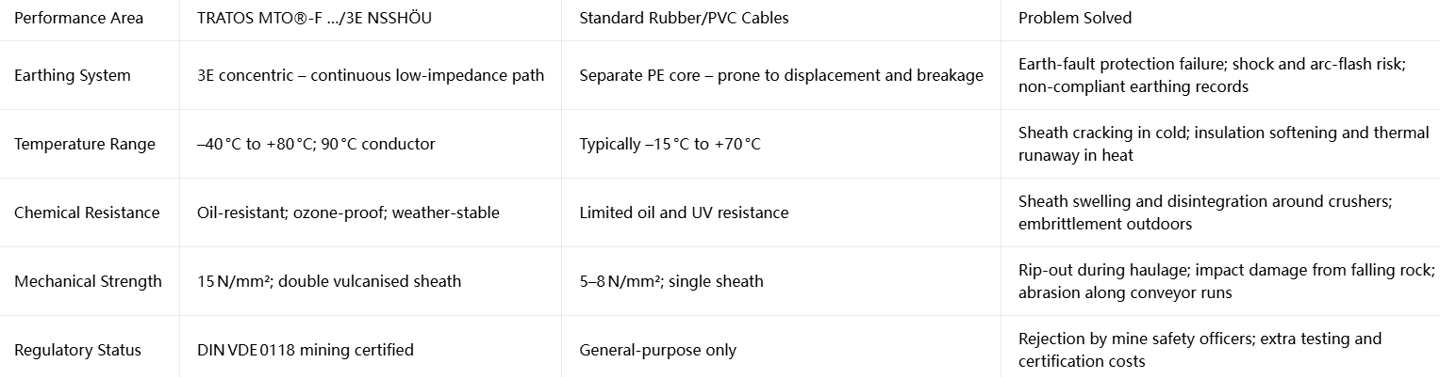
The table below summarises key performance differences and the specific operational problems they resolve:
The core value proposition goes beyond better numbers: this cable is designed for fault tolerance. If the outer sheath is nicked or abraded, the inner layer and concentric earth maintain protection; if the cable is subjected to unexpected tension or vibration, the stranded conductor and balanced structure absorb stress rather than failing catastrophically. Over its service life, this translates to 30 % to 50 % longer operational life compared with standard alternatives, fewer unplanned shutdowns, and significantly lower total cost of ownership even if initial purchase price is higher.
Perfect Match for South Africa – Witwatersrand, Platinum Reefs and Beyond
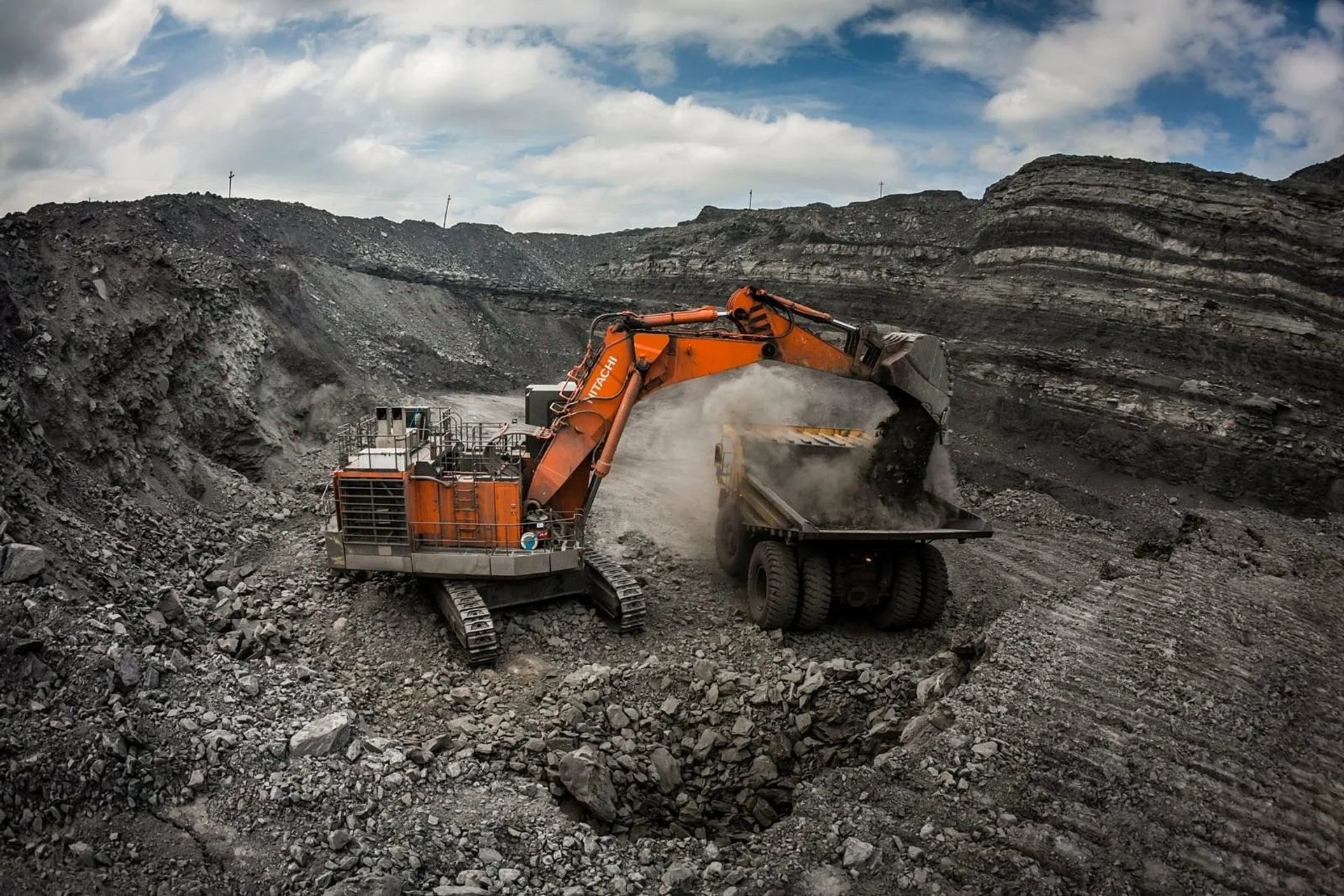
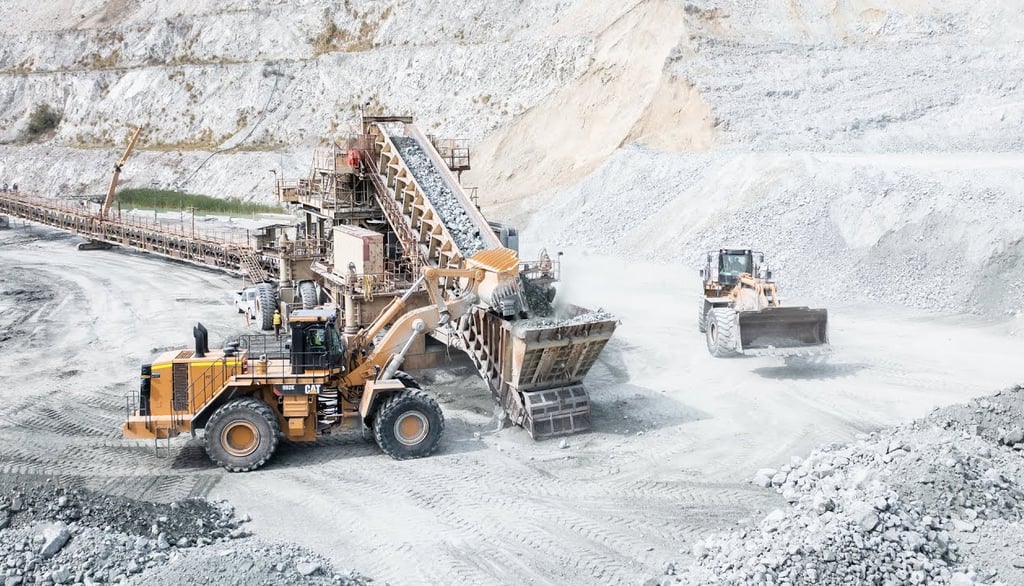
South Africa’s mining landscape presents a unique combination of challenges that align directly with this cable’s design features. Deep gold mines along the Witwatersrand reach depths where ambient temperatures hit 40 °C to 50 °C, humidity remains consistently high, and air carries sulphur compounds that corrode ordinary cable components. Platinum operations in the Bushveld Complex face heavy vibration from crushers and processing equipment, plus wide daily temperature swings. Opencast coal and diamond mines expose cabling to intense UV radiation, extreme winter cold, and frequent contact with diesel and rock dust.
Regulatory requirements add another layer: South African National Standards (SANS) are closely aligned with DIN VDE 0118, which mandates robust earthing continuity, flame performance and mechanical integrity for all electrical installations underground and in hazardous surface areas. Mines must demonstrate that cables can maintain protective functions even after anticipated mechanical stress – a requirement many general‑purpose products cannot satisfy in practice.
Where It Excels in South African Operations
Underground fixed power: Feeder cables to motors, distribution boards and dewatering pumps rely on the 3E earthing system to meet inspection requirements and ensure rapid isolation during faults – critical in gassy or confined workings where any electrical fault carries extra risk.
Opencast conveyors and crushers: The UV‑stable 5GM5 sheath resists solar degradation and oil contamination, while high tensile strength withstands installation forces and occasional snagging – reducing downtime on long conveyor runs that are costly to repair.
Tunnelling and quarries: Low‑temperature flexibility down to –40 °C prevents installation‑time cracking in winter; flame retardancy limits fire spread if ignited by welding or equipment faults, aligning with Mine Health and Safety Authority rules.
Procurement and compliance: Full DIN VDE 0118 acceptance means the cable is recognised by major mining houses and international EPC contractors without additional qualification testing – streamlining approval processes and reducing compliance costs.
Real‑world operational benefits reported across South African mines include fewer cable‑related shutdowns, simpler safety audits, and compatibility with both European‑origin and locally supplied equipment – all factors that matter when production targets are tight and regulatory expectations are high.
Standards – The Foundation of Trusted Performance
Compliance is not merely a box‑ticking exercise; it is a guarantee that the cable has been built and tested to survive the conditions it will encounter.
DIN VDE 0250 Part 812: The specific standard for NSSHÖU‑type rubber‑sheathed flexible cables, defining material specifications, construction rules and test criteria that exceed general‑purpose cable requirements.
DIN VDE 0118: The benchmark for electrical installations in mines, setting strict rules for protective measures, fault tolerance and mechanical robustness – directly addressing the safety priorities that apply in South African mining.
Supporting standards: DIN VDE 0295 for conductor classes, DIN VDE 0207 Parts 20 and 21 for insulation and sheath compounds, DIN VDE 0298 Parts 3 and 4 for bending radii and current‑carrying capacity, plus specific standards for oil resistance and fire behaviour.
This complete standard chain means performance is consistent, verifiable and accepted across regulated mining markets – essential when tendering for international projects or working with global equipment suppliers.
How to Choose – Configurations and Selection Guide
Selecting the right variant depends on circuit function, mechanical constraints and monitoring needs:
NSSHÖU …/3E: The standard choice for most fixed power circuits – motor feeders, distribution board inputs, pump and fan supplies – where reliable protective earthing is mandatory.
NSSHÖU …/3E + ST: Preferred when control or monitoring circuits run alongside power – for example, temperature sensors, vibration monitors or remote trip signals – removing the need for separate control cables and simplifying installation.
NSSHÖU …/KON: Best suited for confined spaces such as shaft risers or narrow cable ducts, where compact overall dimensions help manage routing without compromising performance.
When choosing cross‑section, engineers should calculate based on load current, voltage drop, installation method and expected ambient temperature – using the current‑carrying capacity values from DIN VDE 0298 Part 4 and adjusting for conditions like grouping, depth of burial or proximity to heat sources. Always confirm that protective earthing arrangements meet site‑specific safety procedures and regulatory requirements.
Feichun Equivalent – Same Performance, Better Value
Feichun manufactures a fully compatible range of NSSHÖU‑type cables that match TRATOS MTO®‑F …/3E on all key specifications. These equivalents meet DIN VDE 0250‑812 and DIN VDE 0118, use identical material classes – Class 5 tinned copper, 3GI3‑grade EPR insulation, GM1b‑type inner sheath and 5GM5‑type PCP outer sheath – and deliver the same electrical ratings, mechanical limits and environmental performance.
The advantages for procurement teams include:
Performance parity: Drop‑in replacement that satisfies all safety and compliance requirements for South African mines.
Cost efficiency: Competitive pricing that lowers capital expenditure without compromising long‑term reliability.
Shorter lead times: More flexible supply chains help keep projects on schedule, especially when standard delivery is delayed.
Full documentation: Test reports, certificates and datasheets are provided to support regulatory acceptance and audit trails.
For many operations, switching to Feichun equivalents delivers the same level of protection and service life while freeing budget for other critical maintenance or capital works.
Frequently Asked Questions
Can this cable be used in hazardous areas?
Yes – its flame‑retardant properties, robust construction and compliance with DIN VDE 0118 make it suitable for fixed installations in zones where flammable gases or dust may be present, when used with appropriate protection systems.
What are the minimum bending radii?
DIN VDE 0298 Part 3 applies – typically at least four times the overall diameter for fixed installation and larger values where movement is expected.
How does 3E earthing differ from a standard protective earth?
The concentric layout provides continuous low‑impedance fault‑current return and redundancy; even if the cable is distorted or partially damaged, earth continuity is far more likely to remain intact compared with a single separate core.
Is it suitable for direct burial or immersion?
It resists moisture and can be used in damp or wet conditions, but direct burial or permanent submersion should be assessed against additional protection measures such as conduits or armouring where required.
What service life can be expected in South African mines?
Under normal fixed‑installation conditions, 10 to 15 years is typical – 30 % to 50 % longer than standard rubber cables – with proper installation and maintenance.
Does Feichun supply full certification?
Yes – all necessary test certificates, compliance declarations and supporting documentation are provided for every order.
Conclusion – Built for Where Ordinary Cables Fail
TRATOS MTO®‑F …/3E NSSHÖU is not simply an upgraded rubber cable – it is an integrated system where every layer, material and arrangement serves a specific purpose in mining safety and reliability. Electrically, EPR insulation and 3E concentric earthing balance high current capacity with fault‑safe design; mechanically, Class 5 tinned copper and dual vulcanised rubber sheathing combine flexibility with exceptional resistance to abrasion, impact and tension; environmentally, carefully selected compounds withstand heat, cold, ozone, oil and moisture; and regulatorily, full alignment with DIN VDE 0118 and related standards removes doubt about acceptability in South Africa’s closely monitored mining sector.
For mines across the Witwatersrand, platinum belt and coalfields, the difference is tangible: fewer unplanned outages caused by cable failure, simpler regulatory compliance, and a clearer path to safer, more reliable power distribution. The initial cost premium is often offset within a few years by reduced replacement frequency, lower production losses and fewer safety incidents – making it a sound choice on both technical and economic grounds.
Need TRATOS MTO®‑F …/3E NSSHÖU or a fully compliant equivalent from Feichun? Contact the team for detailed datasheets, competitive pricing and reliable delivery schedules: Li.wang@feichuncables.com.


Email Address: Li.wang@feichuncables.com
© 2025. All rights reserved.
One-click to Quickly Contact
Products
Contact
Company
Location:
Building A Private Science and Technology Park, Hefei Economic and Technological Development Zone, Anhui Province, China
Heat Resistant Cable
WhatsApp: +86 17333223430
Social Media: