Anhui Feichun Special Cable Co.,Ltd Email: Li.wang@feichuncables.com
From Durban Ports to Deep Mines: The Superior (N)SHTÖU-J/O VR Rubber Flexible Cable Built for South Africa’s Toughest Reeling Conditions
Engineered specifically for combined tension, torsion, and bending, the TFCrane (N)SHTÖU-J/O VR reeling cable delivers unmatched durability in South Africa’s ports, mines, and heavy construction sites. Learn how its advanced materials and anti-torsion design reduce downtime, extend service life, and lower long-term operational costs.
Li.Wang
7/7/202611 min read
Introduction
South Africa stands as one of Africa’s most industrialized economies, with its prosperity deeply tied to two critical sectors: mining and maritime logistics. From the platinum and gold reefs of the North West and Limpopo Provinces to the bustling container terminals of Durban and Cape Town, heavy machinery operates around the clock under some of the harshest conditions on the continent. In these environments, nothing is more vital—and more vulnerable—than the cables that deliver power to moving equipment.
Conventional flexible cables are designed primarily for static or lightly moving applications. When subjected to the continuous winding, unwinding, pulling, and twisting that occur on cable drums, they typically fail within months. The result is frequent breakdowns, expensive replacements, and costly production halts. In South Africa, where mining and port operations rely on continuous throughput, such failures are not just inconvenient—they directly impact profitability and safety.
This is where the TFCrane (N)SHTÖU-J/O VR comes into play. It is not merely an upgraded version of a standard rubber cable, but a purpose-built system engineered from the ground up to survive and perform under extreme dynamic stress. Its core philosophy is simple yet revolutionary: let the cable adapt to the machine’s motion, rather than forcing the machine to operate within the limitations of the cable.
This article explores the engineering principles, material science, and real-world performance of the (N)SHTÖU-J/O VR cable. We will examine how its unique construction solves the four main causes of cable failure—tensile fatigue, torsional damage, abrasion, and environmental aging—and why it has become the preferred choice for heavy-duty reeling applications across South Africa and beyond.
Technical Specifications and Compliance Standards
To understand the capabilities of the (N)SHTÖU-J/O VR, we must first look at its formal specifications and the strict standards it follows. These parameters define its operational envelope and ensure it meets the requirements of international and local regulations.
Electrical Ratings
The cable is classified as a low-voltage rubber-insulated flexible cable, built to the specification DIN VDE 0250-814.
Rated Voltage (U₀/U): 0.6/1 kV
Maximum Operating Voltage (Um): 1.2 kV
AC Test Voltage: 3 kV, ensuring dielectric strength under fault conditions
Continuous Conductor Temperature: +90°C
Short-Circuit Conductor Temperature: Up to +250°C for a maximum of 5 seconds, providing safety during electrical faults
Current Carrying Capacity: Calculated according to DIN VDE 0298-4, ensuring optimal performance under thermal load
Mechanical and Environmental Limits
These are the specifications that truly set it apart from ordinary cables:
Minimum Ambient Temperature: -40°C for fixed installation; -25°C for mobile use, making it suitable for high-altitude mines and cold winter nights
Maximum Travel Speed: Up to 120 meters per minute on drums; speeds above this require consultation with the manufacturer
Torsion Limit: Maximum 50° per meter, preventing the spiral deformation that destroys standard cables
Bending Radius:
Fixed installation: ≥ 3× to 4× cable diameter (D)
On winding drums: ≥ 5D
Over deflection pulleys: ≥ 7.5D
Free movement: ≥ 4D to 5D
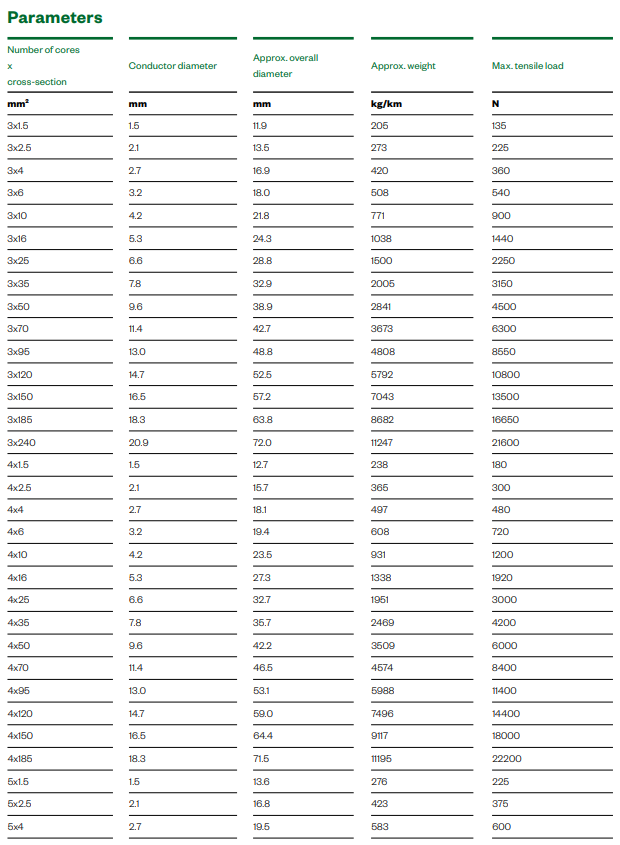
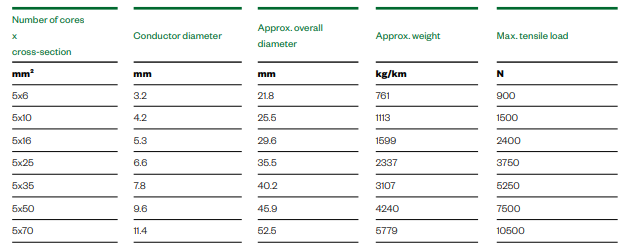
Maximum Tensile Load: Varies by cross-section; for example, 3×16 mm² handles 1,440 N, while 3×240 mm² supports up to 21,600 N
Construction Variants
The cable is available in two configurations to suit different circuit requirements:
-J Version: Includes a green-yellow protective earth conductor. Used where grounding and safety compliance are mandatory. Core identification follows HD 308 / DIN VDE 0293-308.
-O Version: Without the earth conductor, used for circuits where grounding is not required or provided separately.
Core Configurations: Available in 3, 4, and 5 cores, with cross-sections ranging from 1.5 mm² up to 240 mm², covering everything from control circuits to heavy main power feeds.
Standards and Approvals
The (N)SHTÖU-J/O VR meets a comprehensive list of international and regional standards:
Design & Construction: DIN VDE 0250-814, DIN VDE 0207/20/21, IEC 60228, HD 308
Flame Resistance: PN-EN / IEC 60332-1-2, self-extinguishing and non-propagating
Oil Resistance: PN-EN / IEC 60811-404, unaffected by mineral and hydraulic oils
Weathering: UL 2556, ISO 4892-2 (UV resistance), PN-ISO 1431-1 (ozone resistance)
Certifications: CE, RoHS, and compliance with SABS requirements for industrial and mining use in South Africa
Structure Design and Material Science
The superior performance of the (N)SHTÖU-J/O VR is not accidental; it is the result of a carefully layered architecture where every material and dimension serves a specific engineering purpose. By analyzing its construction from the inside out, we can see how science is applied to solve real-world mechanical and electrical challenges.
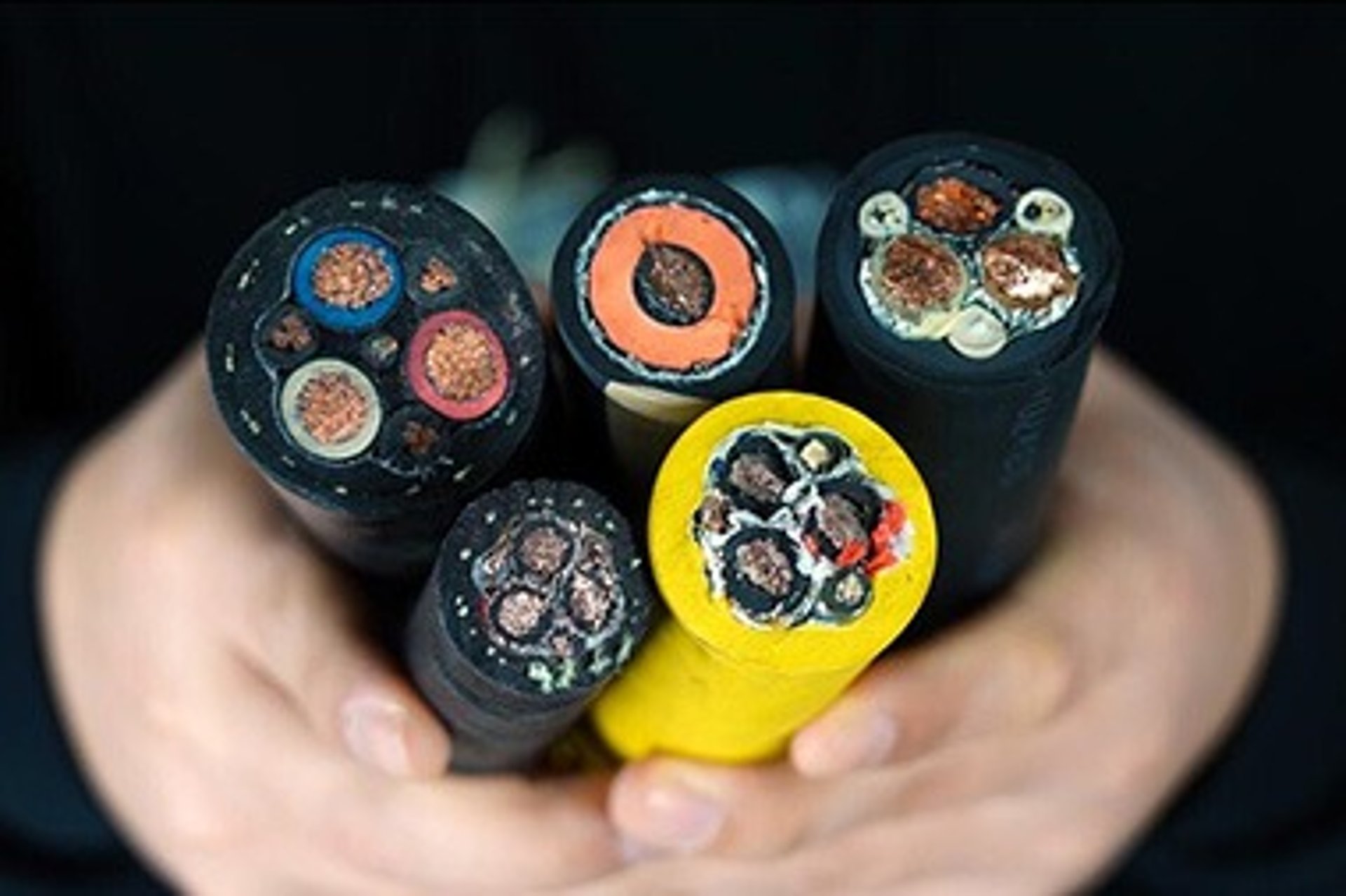
Layer-by-Layer Construction
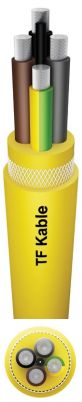
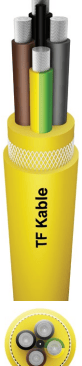
1. Conductor
At the heart of the cable is the current-carrying element: Class 5 flexible stranded annealed copper, available in bare or tin-coated finish, manufactured to IEC 60228.
Design Principle: Class 5 construction uses many fine wires twisted together with an optimized lay length. This reduces bending stress concentration and allows the conductor to flex repeatedly without breaking.
Material Science: High-purity copper ensures excellent conductivity and low resistance. Tinning adds a protective layer that prevents oxidation and corrosion, a critical benefit in humid mines and coastal environments.
Electrical Logic: The design balances flexibility with current-carrying efficiency, ensuring heat generation remains within safe limits even at maximum operating temperature.
2. Separator Tape
Applied over the conductors when required, this is a thin, non-woven or rubber-impregnated tape.
Function: Provides a smooth surface, reduces friction between the conductor and insulation, and prevents the insulation material from flowing into gaps between strands during vulcanization.
Benefit: Preserves the integrity of the insulation layer and maintains consistent electrical properties.
3. Insulation: EPDM Rubber Type 3GI3
This is the electrical barrier, made from Ethylene Propylene Diene Monomer (EPDM) rubber compound 3GI3, specified under DIN VDE 0207/20.
Why EPDM? Unlike PVC or natural rubber, EPDM has a fully saturated polymer backbone. This chemical structure makes it inherently resistant to heat, ozone, UV radiation, and aging. Its volume resistivity exceeds 10¹⁴ Ω·cm, ensuring stable insulation even in damp or contaminated conditions.
Thermal Stability: Remains elastic and insulating at +90°C continuously and does not degrade rapidly during short-circuit events up to 250°C.
Safety: Formulated to be halogen-free and lead-free, so it does not release toxic smoke or corrosive gases if overheated or burned—essential for underground mines and enclosed spaces.
4. Inner Sheath: Thermosetting Compound 5GM3
Beneath the outer jacket lies the inner sheath, made of synthetic thermosetting rubber type 5GM3 (DIN VDE 0207/21), usually colored yellow.
Role: It acts as a cushion, filling the spaces between cored conductors and binding them into a single, stable unit. This prevents internal shifting and rubbing that would occur during winding.
Mechanical Principle: As a thermoset material, it retains its shape and elasticity under heat and pressure, distributing radial compression forces evenly across the cable cross-section.
5. Anti-Torsion Braid
This is the secret weapon of the design: a tightly woven layer of polyamide (nylon) threads placed between the inner and outer sheath.
The Problem: When a cable is wound onto a drum, it experiences twisting forces. Over time, these forces accumulate, causing the cable to spiral, stretch, and eventually break internally.
The Solution: Polyamide has a high tensile modulus and low stretch. The braid acts as a torque absorber, limiting rotation to the designed maximum of 50°/m and transferring torsional stress away from the copper conductors. This prevents "cable twisting" and preserves the internal structure over millions of cycles.
6. Outer Sheath: High-Performance Rubber 5GM5
The final layer is the heavy-duty jacket made of TFKable proprietary thermosetting rubber compound 5GM5, also yellow, compliant with DIN VDE 0207/21.
Mechanical Strength: With a tensile strength greater than 15 MPa and elongation at break over 350%, it offers exceptional resistance to abrasion, tearing, and impact. Laboratory tests show its wear rate is less than 100 mm³ under standard conditions.
Environmental Resistance: The cross-linked molecular structure repels oil, resists hydrolysis, and blocks UV and ozone penetration. It does not become brittle in cold or soft in heat, maintaining its protective properties throughout the temperature range.
Solving the Four Main Failure Modes
Every engineering choice addresses a specific failure mechanism:
Tensile Stress: Supported by the high-strength jacket and reinforced by the polyamide braid, which shares the load before it reaches the copper.
Torsional Fatigue: Neutralized by the anti-torsion layer, which converts rotational force into manageable tension.
Abrasion & Impact: Absorbed by the thick, elastic outer sheath that dissipates shock rather than cracking.
Aging & Degradation: Blocked by the chemical stability of EPDM and 5GM5, which resist oxidation and environmental attack far longer than standard materials.
Real-World Performance in South Africa’s Toughest Environments
Theory and specifications matter, but the true test of a cable is how it performs in the field. South Africa provides the perfect proving ground, with environments that range from salt-laden sea air to dust-choked deep mines. Here is how the (N)SHTÖU-J/O VR performs in these applications.
Port Terminals: Durban and Cape Town
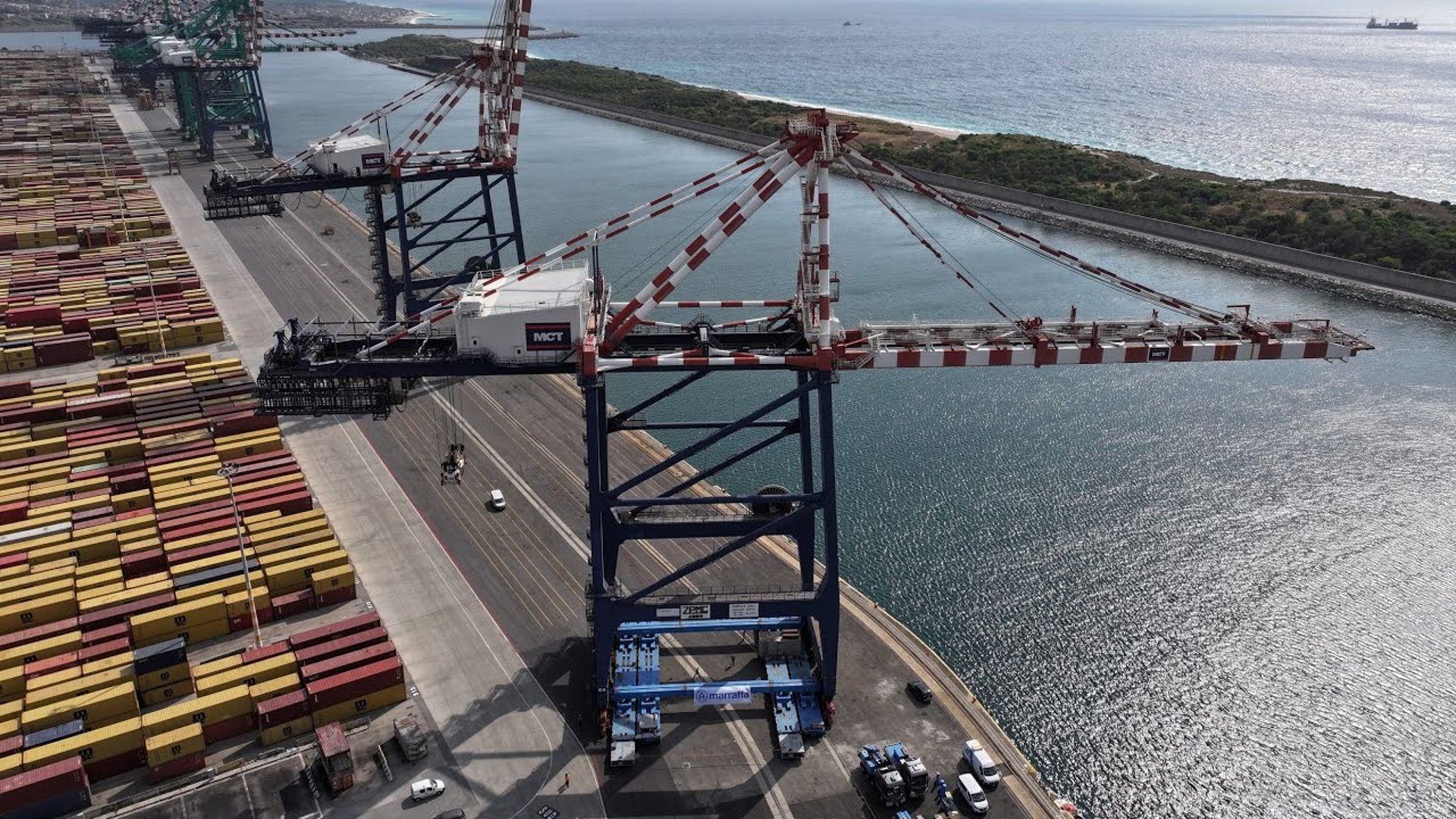
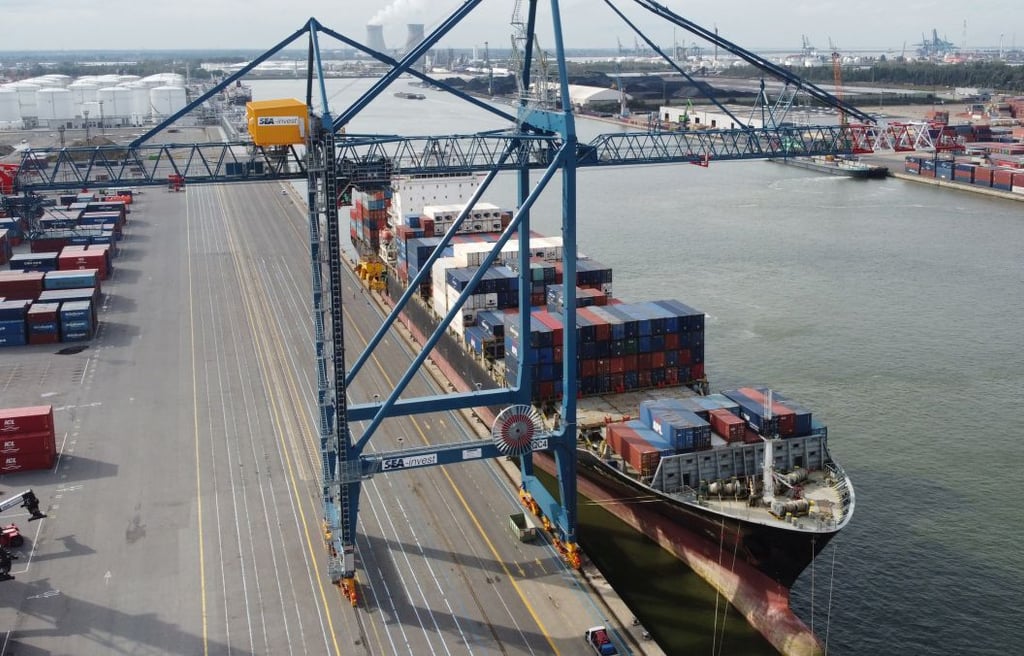
The ports of Durban and Cape Town are the gateways for trade across Southern Africa, operated largely by Transnet Port Terminals. Equipment here includes Rubber-Tired Gantry (RTG) cranes, Electric Rubber-Tired Gantry (ERTG) cranes, and straddle carriers.
Operating Conditions: These machines wind and unwind cables hundreds of times every day at speeds between 60 and 100 meters per minute. The atmosphere is rich in salt, humidity, and intense sunlight, with temperatures swinging from cool nights to hot, sunny days.
Historical Challenges: Maintenance teams found that standard rubber cables lasted only 4 to 6 months. The jackets would crack from UV exposure, cores would snap from fatigue, and salt would creep into the insulation, causing faults. Each replacement meant downtime and lost revenue.
Results with (N)SHTÖU-J/O VR: Once installed, the service life extended to 3 years or more. The anti-torsion braid eliminated internal core damage, while the 5GM5 sheath resisted saltwater corrosion and UV degradation. Operators reported a 60–80% reduction in maintenance costs and a dramatic drop in unplanned stoppages.
Mining Operations: Open Pit and Underground
Mining remains the backbone of South Africa’s economy, with major operations in the North West, Limpopo, and Mpumalanga Provinces extracting gold, platinum, coal, and iron ore. Equipment includes electric shovels, belt conveyors, drill rigs, and shaft hoists.
Operating Conditions: Environments are extreme—fine silica dust, constant moisture, hydraulic oil, and the risk of explosive gas mixtures in underground zones. Cables are dragged over rock, squeezed between machinery, and subjected to heavy tension during vertical lifting.
Compliance and Safety: The (N)SHTÖU-J/O VR is halogen-free and has low static charge build-up, making it suitable for use in Zone 2 hazardous areas, aligning with SABS safety regulations for mining. It remains flexible down to -25°C, critical for high-altitude mines where temperatures drop significantly.
Performance Gains: Compared to conventional trailing cables, it offers 2 to 3 times higher tear strength and 4 times longer wear life. While cable theft is a separate security issue in some regions, the mechanical resilience ensures that accidental damage or rough handling does not lead to immediate failure, indirectly improving operational reliability.
Construction and Heavy Machinery
Major infrastructure projects around Gauteng and Johannesburg rely on tower cranes, crawler cranes, and concrete pumps.
Operating Conditions: Cables must handle vertical reeling, horizontal dragging, and occasional crushing under heavy loads. They are exposed to diesel, grease, and sharp debris on construction sites.
Operational Benefits: The 50°/m torsion limit prevents the cable from "corkscrewing" or jamming on the drum. Its stable thermal characteristics allow continuous operation at full speed without overheating, ensuring construction schedules stay on track.
Value Proposition and Competitive Advantage
When selecting industrial components, engineers and buyers look beyond the price tag to the total cost of ownership. The (N)SHTÖU-J/O VR represents a shift from viewing cables as consumable items to treating them as long-term assets.
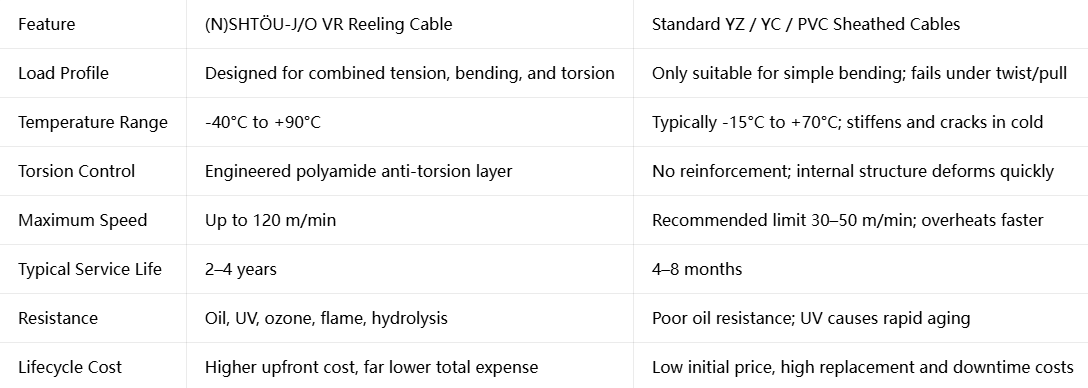
Comparison with Standard Flexible Cables
Economic Impact
While the initial investment is approximately 20–30% higher than standard cables, the long-term savings are substantial. By extending service life by a factor of 3 to 5, the frequency of shutdowns is drastically reduced. In a port or mine where downtime can cost thousands of dollars per hour, the reliability of the (N)SHTÖU-J/O VR delivers a rapid return on investment.
Feichun Brand: An Equivalent Alternative
For buyers seeking reliable supply and competitive pricing, the Feichun brand (N)SHTÖU-J/O VR offers a fully equivalent solution.
Same Standards: Manufactured to identical DIN VDE, IEC, and EN specifications, ensuring interchangeability and compliance with SABS and international norms.
Matching Performance: Electrical ratings, temperature limits, tensile strength, and material composition are tested to meet the same performance benchmarks.
Supply and Cost Benefits: Feichun offers shorter lead times, flexible production volumes, and competitive pricing without compromising quality, making it an excellent choice for projects looking to optimize budget and delivery schedules.
Selection Guide and Best Practices
Choosing the correct cable is essential to unlocking its full potential. Here are practical guidelines for specification, installation, and maintenance.
How to Select the Right Configuration
Choose -J or -O: Select -J if the equipment requires protective grounding, which is standard for most industrial and mining machinery. Use -O only when the circuit is isolated or grounded through other means.
Determine Cross-Section: Size the conductor based on current demand, voltage drop over the length of the cable, and starting current of motors. For example:
1.5 mm² to 10 mm²: Suitable for control circuits and short runs up to 50 meters.
16 mm² to 50 mm²: Medium power for pumps and smaller hoists.
70 mm² and above: High power for main drives and long travel distances.
Check Tensile Load: Always refer to the manufacturer’s data sheet. For instance, 4×50 mm² supports up to 6,000 N. If the cable is self-supporting over long distances, additional mechanical support should be added.
Confirm Operating Speed: The standard 120 m/min rating covers most applications. For higher speeds, consult the supplier to ensure the cable and drum system are compatible.
Installation and Operation Tips
Maintain Bending Radius: Never force the cable into tighter bends than specified. This stretches the outer jacket and compresses the insulation, shortening life.
Align Cable Entry: Ensure the cable enters the drum or guide rollers smoothly. Side loads and misalignment introduce uneven torsion and abrasion.
Use Proper Tension Control: Too much tension causes excessive stretching; too little allows slack and tangling. Modern drum systems should have adjustable tensioners.
Avoid Overheating: Do not operate above the rated current, especially in high ambient temperatures.
Maintenance and Inspection
Visual Checks: Inspect regularly for cuts, swelling, or hardening of the jacket. Early signs of damage allow for minor repairs before a full failure occurs.
Electrical Testing: Measure insulation resistance periodically. A sudden drop indicates moisture ingress or insulation breakdown.
Cleanliness: Keep the cable path free of sharp rocks, metal debris, and oil puddles to reduce unnecessary wear.
Frequently Asked Questions
Q: Can this cable be used in underground coal mines?
A: Yes. Its halogen-free, flame-retardant formulation and low static generation make it suitable for Zone 2 explosive atmospheres, complying with the safety standards required for South African mining operations.
Q: What does the designation (N)SHTÖU-J/O mean?
A: The letters indicate the construction and characteristics: N = standard based on VDE; SH = heavy-duty rubber sheath; T = flexible construction; Ö = oil-resistant; U = outer sheath; -J = with protective earth conductor; -O = without earth conductor.
Q: Is it suitable for permanent outdoor installation?
A: Absolutely. With excellent UV and ozone resistance, it performs reliably whether fixed on a pole or moving continuously on a crane, across all seasons.
Q: Can I repair a damaged section?
A: Minor damage to the outer sheath can be repaired using compatible rubber compounds. However, if conductors or insulation are compromised, full replacement is recommended to maintain safety and reliability in dynamic applications.
Conclusion
The (N)SHTÖU-J/O VR represents a significant evolution in industrial cable technology. It moves away from the traditional approach of making cables "strong enough to survive" toward a design philosophy where the cable is engineered to actively adapt to the complex dynamic forces of modern machinery.
Through the intelligent combination of Class 5 copper conductors, EPDM insulation, thermosetting rubber sheaths, and a polyamide anti-torsion layer, it addresses every physical and environmental challenge found in South Africa’s ports, mines, and construction sites. It turns what was once a frequently replaced consumable part into a durable, reliable component that matches the operational life of the equipment it serves.
For engineering managers and procurement specialists, the value is clear: fewer breakdowns, safer operations, and lower total expenditure over time. In industries where every minute of operation counts, the (N)SHTÖU-J/O VR is more than just a cable—it is a strategic investment in productivity.
If you are specifying power systems for heavy machinery, looking to reduce maintenance costs, or need a reliable solution for reeling applications, the (N)SHTÖU-J/O VR is the choice that delivers results.
Contact the Feichun team for technical specifications, pricing, and project support:
Email: Li.wang@feichuncables.com
Email Address: Li.wang@feichuncables.com
© 2025. All rights reserved.
One-click to Quickly Contact
Products
Contact
Company
Location:
Building A Private Science and Technology Park, Hefei Economic and Technological Development Zone, Anhui Province, China
Heat Resistant Cable
WhatsApp: +86 17333223430
Social Media: