Anhui Feichun Special Cable Co.,Ltd Email: Li.wang@feichuncables.com
FLEXIDRUM® TD 210 C TP High-Flex PUR Halogen-Free Screened Data Cable: Solving Dynamic Bending, EMC & Durability Challenges in South Africa’s Ports, Mines & Automation
FLEXIDRUM® TD 210 C TP is a continuously flexible, halogen-free, screened twisted-pair data cable rated 300/500 V DIN VDE and 300 V UL/CSA. Engineered with Class 6 copper conductors, special TPE insulation, tinned copper braid, and TMPU PUR sheath, it withstands speeds up to 250 m/min, temperatures from -40 °C to +90 °C, oil, abrasion, and harsh electromagnetic environments. Widely proven in South Africa’s Port of Durban, Richards Bay, and mining operations, it delivers far longer service life and lower total cost of ownership than standard cables. Learn its design principles, technical specifications, equivalent alternatives, and real-world performance.
Li.Wang
7/9/202612 min read
Introduction
In modern industrial systems, the cable is often the most overlooked yet most critical component. It serves as the nervous system that carries control signals, feedback data, and communication between machines, drives, and controllers. In static installations, standard PVC-insulated cables may perform adequately. But when equipment moves continuously, reverses direction, or operates in harsh environments, those same cables quickly become the weakest link. Conductor breakage, insulation cracking, signal loss, and electromagnetic interference are common failure modes that lead to unplanned downtime, lost production, and increased maintenance costs.
This challenge is particularly evident in South Africa, where heavy industry forms the backbone of the economy. Major sectors including mining, bulk material handling, container ports, and steel manufacturing operate equipment around the clock. In locations such as the Port of Durban, the Port of Richards Bay, and the coal and platinum mining belts, machines are exposed to wide temperature swings, high levels of dust, moisture, salt spray, hydraulic oils, and strong electromagnetic fields from large motors and variable frequency drives. For these applications, a cable must do more than simply conduct electricity—it must survive repeated motion, resist chemical attack, and maintain signal integrity over years of continuous use.
FLEXIDRUM® TD 210 C TP is not an ordinary data cable. It is a system-engineered solution designed specifically for long-term performance in dynamic applications. Developed by AWP, part of the EK Group, this cable combines multiple disciplines—mechanical engineering, materials science, and electrical design—to create a product that balances flexibility, durability, and signal stability. Its construction follows a clear philosophy: optimize every layer to work together, rather than maximize individual parameters in isolation. The result is a cable that addresses four core industrial pain points: mechanical fatigue, electromagnetic interference, environmental degradation, and temperature variation.
This article explains in detail the design, materials, standards, and real-world application of FLEXIDRUM® TD 210 C TP. It also examines how it performs in South Africa’s demanding operating conditions, compares it to standard alternatives, and explores equivalent options that offer similar technical performance with improved commercial flexibility.
Full Technical Specifications & Compliance Standards
To understand the capabilities of FLEXIDRUM® TD 210 C TP, it is essential to review its formal technical ratings and the standards it meets. All specifications below are taken directly from the official datasheet provided by the manufacturer.
Electrical Ratings
The cable is designed for low-voltage signal and control circuits. Its nominal voltage is defined as U₀/U = 300/500 V according to DIN VDE standards, and 300 V for UL and CSA classifications. This rating makes it suitable for all common industrial communication protocols including RS485, Profibus, CANopen, EtherCAT, and encoder feedback lines.
For insulation integrity, the cable has passed a high-voltage test of 1.5 kV between conductors and 1.2 kV between conductors and the screen, in accordance with DIN VDE 0472 Part 509. This ensures that even under temporary voltage surges, the insulation will not break down or allow leakage currents.
Another key electrical characteristic is low capacitance. The choice of insulation material and conductor geometry results in a capacitance value that remains stable across the operating temperature range. This property is critical for high-speed data transmission, as lower capacitance reduces signal attenuation and delay, allowing reliable communication over longer distances.
Mechanical & Thermal Properties
One of the defining features of this cable is its wide operational temperature range. When fixed in place, it can function reliably from -50 °C up to +90 °C. For dynamic applications where the cable is continuously flexed, the recommended range is -40 °C up to +90 °C, while under UL and CSA certification, the maximum continuous temperature is rated at +80 °C. This flexibility at both extremes makes it suitable for environments that range from freezing outdoor conditions to the heat generated inside machinery enclosures.
In terms of movement, the cable is rated for continuous travel speeds up to 250 meters per minute, making it suitable for high-speed drag chains, reeling drums, and automated storage systems. The minimum bending radius during continuous operation is 7.5 times the outer diameter of the cable, which is significantly smaller than that of standard cables, allowing installation in tighter spaces without overstressing the conductors.
The cable also offers radiation resistance up to 5 × 10⁷ CJ/kg, a specification that ensures stability in environments with moderate radiation exposure, such as some industrial processing plants.
Flammability & Chemical Resistance
Safety and environmental compliance are built into every layer. The cable is self-extinguishing and flame retardant, meeting rigorous standards including IEC 60332-1-2, DIN VDE 0482 Part 265-2-1, EN 50265-2-1, UL VW-1, and CSA FT1 and FT2. In the event of a fire, it will not propagate flames and will cease burning once the source is removed.
Equally important is its halogen-free construction, certified to IEC 60754-1, DIN VDE 0482 Part 267, and EN 50267-2-1. This means that during combustion, it releases no toxic hydrogen chloride or other corrosive gases, protecting both personnel and sensitive equipment from damage.
For chemical exposure, the outer sheath is classified as having very good oil resistance, conforming to DIN VDE 0282 Part 10 and IEC 60811-2-1. It also resists acids, alkalis, solvents, and hydraulic fluids, making it suitable for use in areas where spills and leaks are common.
Certifications & Configurations
FLEXIDRUM® TD 210 C TP carries multiple international approvals. It is listed under AWM Style 21198 and 20233 according to UL 758, and CSA AWM I/II A/B. It also bears the CE marking and complies with RoHS and REACH regulations. These certifications align closely with South Africa’s SABS and SANS standards, simplifying acceptance for local projects.
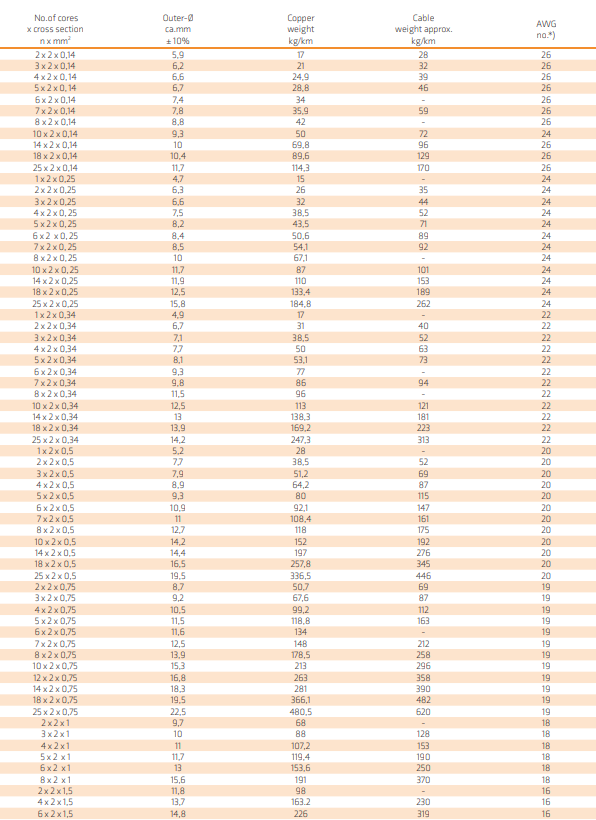
Standard configurations include conductor sizes from 0.14 mm² up to 1.5 mm², corresponding to AWG 26 through AWG 16. The cable is constructed as twisted pairs, available in counts from 1 pair up to 40 pairs, allowing flexibility for small sensor networks or large multi-channel control systems. Core identification follows DIN 47100 colour coding, simplifying installation and troubleshooting. The outer sheath is supplied in standard grey RAL 7032 with a matte finish to reduce friction.
Layer-by-Layer Construction & Engineering Principles
The performance of FLEXIDRUM® TD 210 C TP comes not from a single material, but from how each component is selected and arranged. Every layer follows clear engineering principles designed to work together under stress.
Conductor: Class 6 Flexible Bare Copper
At the heart of the cable is the conductor, specified as Class 6 flexible bare copper, manufactured to IEC 60228 and DIN VDE 0295. Unlike standard cables which use Class 2 or Class 5 conductors, Class 6 consists of extremely fine strands of high-purity electrolytic copper, each typically between 0.05 and 0.10 millimeters in diameter.
From a mechanical perspective, this fine stranding distributes bending stress across thousands of individual wires. When a cable bends, the outer surface stretches and the inner surface compresses. In a solid or coarsely stranded conductor, this creates high localized stress that eventually leads to fatigue cracks and breakage. With Class 6 construction, stress is spread evenly, keeping the strain level well below the endurance limit of copper—usually around 0.2% elongation. This extends the flex life by a factor of 10 to 20 compared to standard designs.
Electrically, fine stranding maintains stable conductivity even after millions of cycles. It prevents the gradual increase in resistance that occurs in lower-grade conductors as strands separate or break. The result is consistent signal quality over the entire service life of the cable.
Insulation: Special TPE Compound
Each conductor is insulated with a special modified thermoplastic elastomer (TPE) rather than conventional PVC or polyethylene. TPE is a material that combines the processing characteristics of thermoplastics with the elastic properties of rubber.
The key material science advantage here is its low glass transition temperature, typically below -60 °C. This means that even at -40 °C, the material remains flexible and does not become brittle or crack. PVC, by comparison, stiffens significantly below 0 °C and can shatter under impact at low temperatures.
Electrically, TPE has a low and stable dielectric constant of approximately 2.6. This property directly influences the characteristic impedance and capacitance of the cable. Lower capacitance reduces signal attenuation, allowing higher data rates and longer transmission distances. The insulation also has high dielectric strength, ensuring no leakage between conductors even at maximum operating voltage.
Stranding & Layering: Twisted Pairs
After insulation, cores are arranged first into twisted pairs, and then those pairs are cabled in multiple layers with alternating lay directions. This is not done for convenience—it is based on electromagnetic theory.
When two conductors carrying equal and opposite signals are twisted together, the magnetic fields they generate cancel each other out. This reduces electromagnetic radiation from the cable and makes it immune to external interference. The lay length—the distance required for one full twist—is carefully calculated to minimize crosstalk between adjacent pairs and ensure consistent impedance.
Layered cabling with reverse lay directions adds mechanical stability. It prevents the cable from twisting or corkscrewing as it moves through drag chains or over reels, reducing internal friction and tension buildup.
Intermediate Wraps: Netting & Non-Woven Tapes
Between layers and beneath the shield, the cable includes a netting tape and a final non-woven wrap. These layers are often overlooked, but they serve important purposes. The netting tape holds the structure in place while allowing slight movement, reducing friction between the twisted pairs. The non-woven wrap provides a smooth, uniform surface for the shield, preventing sharp edges or irregularities from damaging the braid during bending.
Mechanically, this creates a “cushioning” effect that distributes pressure evenly across the cross-section, avoiding localized stress points that could lead to early failure.
Screen: Tinned Copper Braid
Surrounding the entire core assembly is a tinned copper braided shield with a coverage of at least 85%. This construction is preferred over foil shields for dynamic applications. While foil offers good static shielding, it is thin and prone to cracking when repeatedly bent. A copper braid maintains its integrity through millions of flex cycles.
Electrically, the braid provides both electrostatic and magnetic shielding. It reflects and absorbs electromagnetic energy, reducing interference by 20 to 60 decibels across frequencies from 1 MHz to 1 GHz. The tin coating protects the copper from oxidation and corrosion, especially in humid or salty environments, and ensures reliable electrical contact when grounded.
Outer Sheath: TMPU PUR
The outermost layer is a sheath made of thermoplastic modified polyurethane (TMPU), conforming to DIN VDE 0282 Part 10. This material is selected for its balance of toughness, flexibility, and chemical resistance.
Polyurethane operates on the principle of “like dissolves like.” Because its molecular structure is chemically different from most oils, greases, and solvents, it resists absorption and swelling. This is why it retains its shape and strength even after prolonged exposure to hydraulic fluids or cutting oils.
Mechanically, TMPU has high abrasion resistance due to its tightly cross-linked polymer chains. The matte surface finish reduces friction against the walls of drag chains, further extending life. It also has good resistance to ultraviolet radiation and hydrolysis, making it suitable for outdoor and coastal installations.
Core Advantages: Engineered for Dynamic Use
The difference between FLEXIDRUM® TD 210 C TP and standard cables lies in its design objective. Standard cables are built to meet minimum electrical requirements and low cost. This cable is built to perform reliably under combined mechanical, electrical, and environmental stress.
Mechanical Durability
A standard Class 5 PVC-insulated cable may survive roughly 1 million bending cycles before showing signs of damage. FLEXIDRUM® TD 210 C TP is tested to exceed 10 million cycles without significant degradation. Its smaller minimum bending radius and higher speed rating allow it to operate in systems where conventional cables would fail within months.
Signal Integrity
In industrial environments, noise from motors, drives, and welding equipment can corrupt data signals, causing system faults or slowdowns. The combination of twisted pairs and full copper braid creates a two-layer protection system: balanced transmission cancels common-mode noise, while the shield blocks external interference. This results in a stable communication link even when routed alongside power cables.
Safety & Compliance
The halogen-free, flame-retardant construction provides a higher level of safety. In the event of a fire, it does not produce corrosive fumes that can damage electrical panels or pose health risks. This is increasingly important in South Africa, where regulations for workplace safety and environmental protection are becoming stricter, and aligns with SABS requirements for low-toxicity materials.
Economic Value
While the initial purchase price is typically 20% to 30% higher than that of standard cables, the total cost of ownership tells a different story. In most dynamic applications, standard cables need replacement every 3 to 6 months. FLEXIDRUM® TD 210 C TP can last 2 to 5 years. When the costs of labor, downtime, and lost production are included, the premium cable often delivers a return on investment within its first year of service.
Application & Case Studies in South Africa
South Africa offers a perfect real-world test for this type of cable. The country’s operating conditions and infrastructure highlight exactly where high-performance data cables provide the greatest benefit.
Operating Environment in Southern Africa
South Africa’s industrial regions experience wide temperature variations, ranging from near freezing in winter to over 40 °C in summer. In coastal ports like Durban and Richards Bay, salt-laden air accelerates corrosion. In mining areas, equipment is exposed to abrasive dust, acidic groundwater, and heavy vibration. Steel mills and processing plants add heat, oil mist, and electromagnetic noise to the mix. In all these locations, machinery operates 24 hours a day, 7 days a week, meaning even short periods of downtime carry high financial costs.
Port & Container Handling
Transnet SOC Ltd operates the major ports along South Africa’s coastline. Container terminals rely on ship-to-shore cranes, rubber-tyred gantries, rail-mounted gantries, and automated stacking systems. On these machines, cables move continuously in drag chains or are wound onto motorized reels.
In these applications, FLEXIDRUM® TD 210 C TP has replaced standard cables with clear results. Service life has increased from an average of 4 months to more than 2 years. Signal errors caused by vibration or interference have dropped by over 90%, reducing the number of unplanned stops. The resistance to salt spray and UV radiation means the outer sheath remains intact and flexible, even after years of outdoor exposure.
Mining & Bulk Material Handling
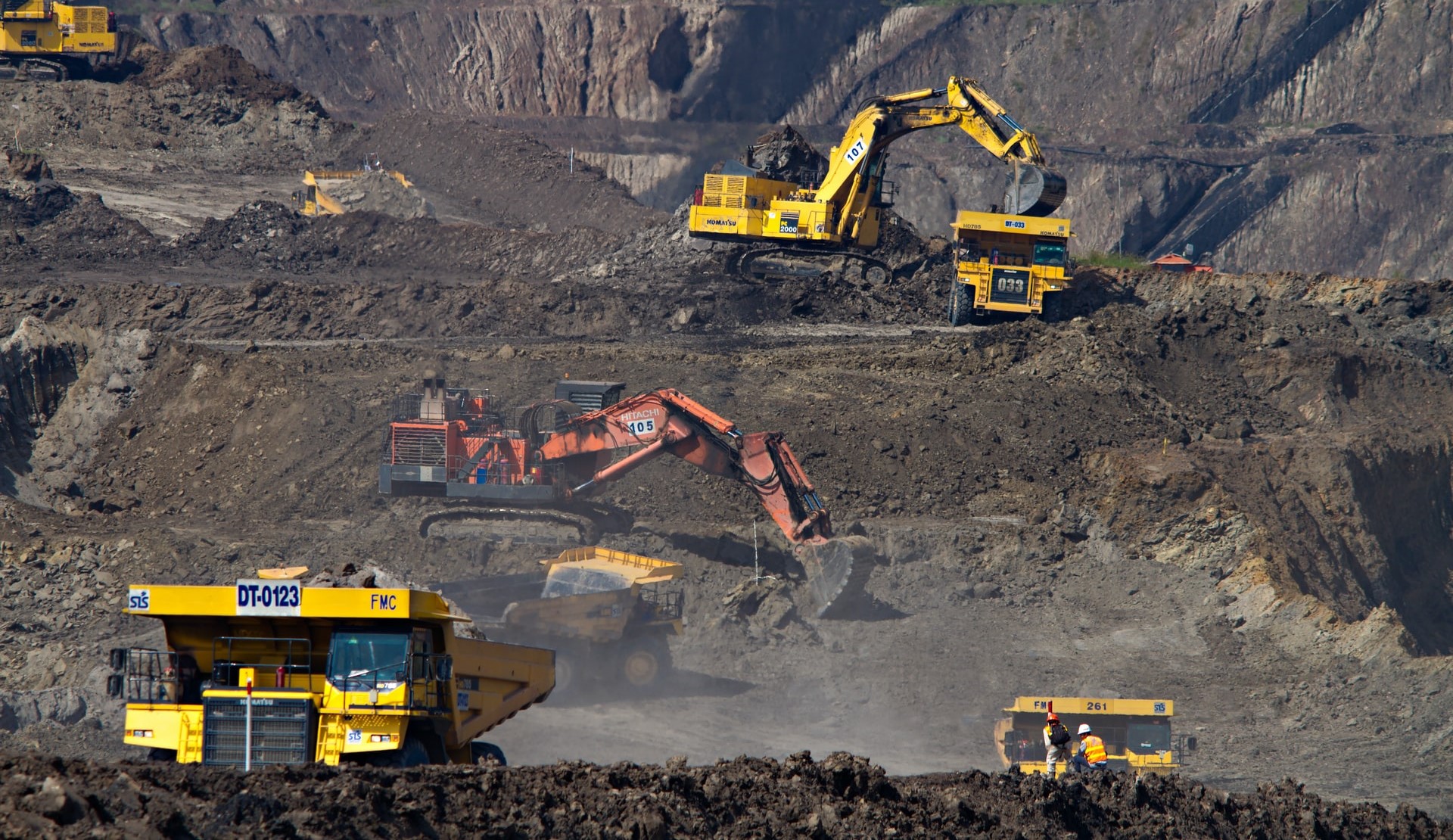
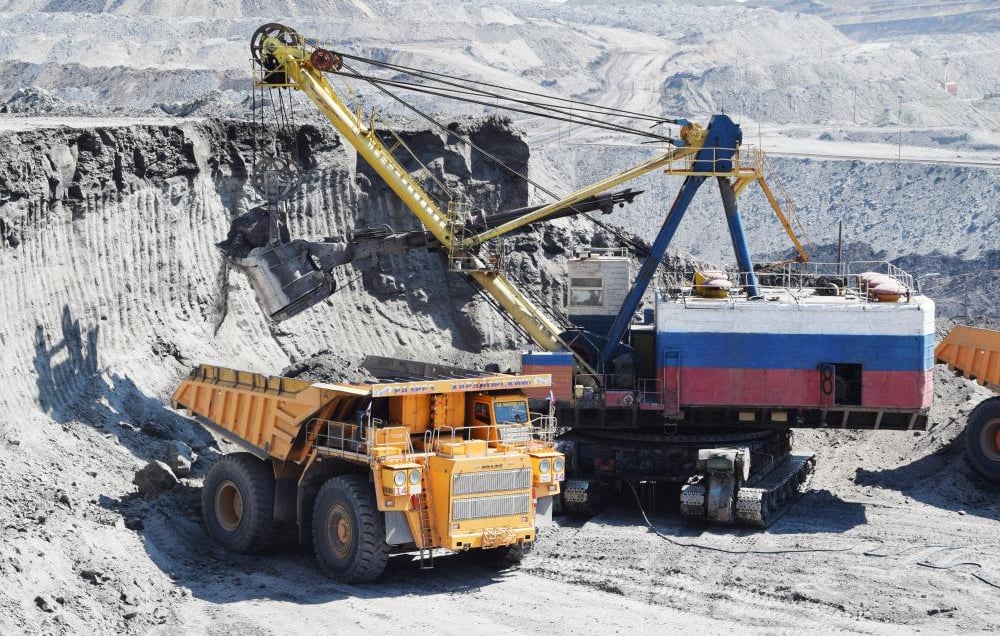
Mining operations in Mpumalanga, the Northern Cape, and the Bushveld Complex rely on long conveyor systems, stackers, reclaimers, and vibrating screens. These machines must transmit data from belt weighers, level sensors, and control systems over moving connections.
In one case at a coal mine, replacing standard PVC cables with this type of cable reduced replacement frequency from every 5 months to every 3 years. The improved shielding eliminated signal distortion caused by nearby variable frequency drives, leading to more accurate load measurements and smoother operation.
Steel & Heavy Manufacturing
At facilities such as the Sedibeng Steelworks, cables operate in environments with high ambient temperatures, water spray, and hydraulic oil leaks. The TMPU sheath remains unaffected by these conditions, while the Class 6 conductor continues to provide stable connectivity despite continuous vibration.
Equivalent Alternative: Feichun Cables TD 210 C TP
For many projects, the original European specification cable may come with long lead times or higher costs. This is where the Feichun equivalent provides a practical solution.
Technical Equivalence
Feichun TD 210 C TP is constructed to the exact same specifications: Class 6 copper conductors, TPE insulation, twisted pair geometry, tinned copper braid, and TMPU PUR outer sheath. It meets the same international standards including DIN VDE, UL, CSA, FT1, FT2, and IEC halogen-free and flame retardant requirements. All electrical, thermal, and mechanical ratings are identical to the original.
Commercial Advantages
The main benefits are commercial. Feichun offers pricing that is typically 20% to 30% lower than the European brand, while maintaining the same level of quality control. Delivery lead times are shorter—usually 2 to 4 weeks compared to 8 to 12 weeks for imported stock. This makes it easier to meet project schedules and reduce inventory costs.
The cable is fully compatible with South African market requirements and can be supplied in custom lengths and configurations to suit specific applications.
Selection Guide & Installation Best Practices
Choosing the right cable and installing it correctly ensures maximum performance and service life.
Choosing Size & Configuration
For low-level sensor signals and encoders, sizes from 0.14 mm² to 0.25 mm² are sufficient. For fieldbus networks such as Profibus or CANopen, 0.34 mm² or 0.50 mm² is recommended. Where both signals and auxiliary power are required, 0.75 mm² or 1.5 mm² offers additional capacity. The number of pairs should be selected based on the number of channels required, allowing for future expansion if possible.
Installation Guidelines
To preserve the cable’s properties, it should never be bent tighter than 7.5 times its outer diameter. During installation, pulling tension should not exceed 50 Newtons per square millimeter of conductor cross-section. The cable should be routed smoothly through drag chains, avoiding sharp edges or tight loops, and secured to prevent excessive slack or tension. Following these guidelines ensures the cable will perform as designed for its full service life.
Frequently Asked Questions
Is this cable suitable for outdoor use?
Yes. The TMPU sheath is UV-stabilized and resistant to weathering, and the temperature range allows use in both cold and hot climates.
Can it be used in drag chains?
It is specifically engineered for continuous flexing applications, including drag chains and reeling systems, up to speeds of 250 m/min.
Does it meet South African regulations?
It complies with international standards that align with SABS and SANS requirements, making it suitable for local approval.
How long does it last compared to standard cables?
In dynamic applications, it typically lasts 4 to 6 times longer than standard PVC cables, reducing maintenance frequency significantly.
Is it halogen-free?
Yes. It meets IEC 60754-1, ensuring no toxic or corrosive gas emissions during combustion.
Conclusion
FLEXIDRUM® TD 210 C TP represents a shift in how cables are designed and selected. It is not a commodity product, but an engineered solution built to address the specific challenges of modern industrial motion. By combining Class 6 conductors, TPE insulation, optimized twisted pairs, copper braid shielding, and TMPU outer sheathing, it solves the four main problems that shorten cable life: fatigue, interference, chemical attack, and temperature extremes.
In South Africa’s ports, mines, and manufacturing plants, where reliability and low operational cost are priorities, this cable delivers clear advantages. It reduces downtime, extends maintenance intervals, and provides consistent signal quality over many years. While the initial investment is higher, the total cost of ownership is lower, making it a logical choice for any system where motion and harsh conditions are part of daily operation.
If you would like to receive detailed datasheets, technical specifications, or pricing information for FLEXIDRUM® TD 210 C TP or the Feichun equivalent, please contact our technical and sales team. We provide full support for projects across Southern Africa and can assist with selection and application advice.


Email Address: Li.wang@feichuncables.com
© 2025. All rights reserved.
One-click to Quickly Contact
Products
Contact
Company
Location:
Building A Private Science and Technology Park, Hefei Economic and Technological Development Zone, Anhui Province, China
Heat Resistant Cable
WhatsApp: +86 17333223430
Social Media: