Anhui Feichun Special Cable Co.,Ltd Email: Li.wang@feichuncables.com
FLEXIDRUM® FIBER 770 Optical Fiber Reeling Cable: UV Resistant, Oil & Chemical Proof Solution for South African Ports & High-Stress Cranes
For South African port operators, crane engineers, and material handling procurement teams: FLEXIDRUM® FIBER 770 is a purpose-built fiber optic reeling cable engineered by Italy’s Elettrotek Kabel to withstand the harshest coastal and industrial conditions. Proven to resist extreme UV radiation, salt spray, hydraulic oil, and chemical exposure, it is designed specifically for the continuous winding, twisting, and high-speed operation of ship-to-shore cranes, gantries, and bulk handling equipment at Durban, Cape Town, and Port Elizabeth terminals. It eliminates the common failures of standard outdoor cables, extends service life from 1–2 years to 8–10 years, supports faster container throughput, and meets all local SABS and Transnet safety standards. Cost-effective equivalent solutions are also available from Feichun Cables for projects requiring shorter lead times and local supply support.
Li.Wang
7/14/202613 min read
Introduction: The Hidden Weak Link in South Africa’s Busy Terminals
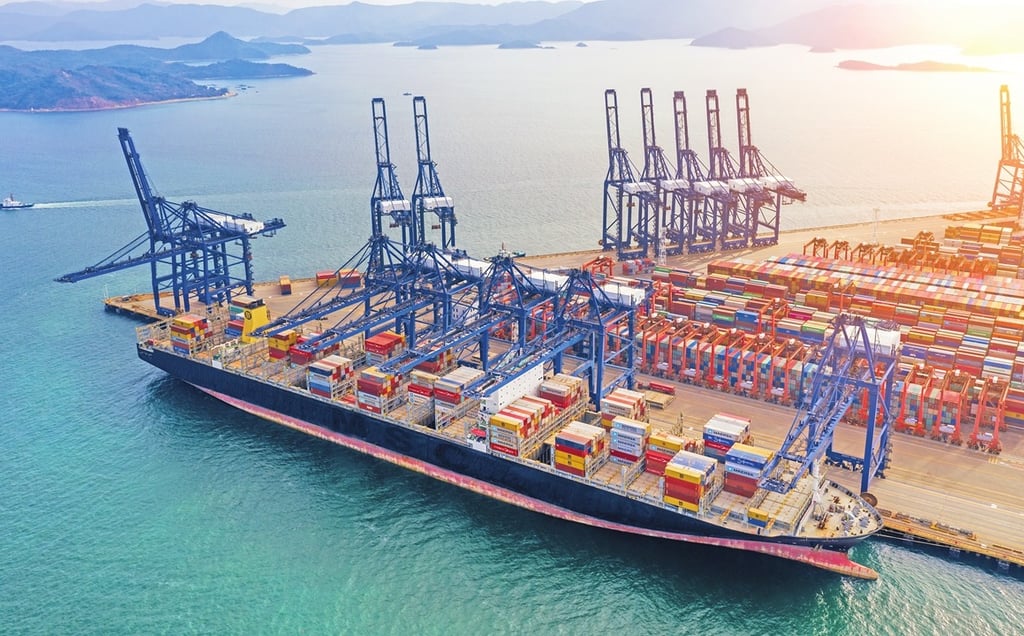
South Africa stands as the primary logistics gateway for the entire African continent, with its major ports handling more than 12 million twenty-foot equivalent units (TEUs) of cargo each year. The Port of Durban alone processes nearly half of this volume, while Cape Town, Port Elizabeth, and Richards Bay serve critical roles in container shipping, dry bulk exports, and fuel distribution. Behind every container lifted and every ton of ore loaded lies a complex network of automated controls, safety systems, and high-speed data links that keep operations running smoothly. None of these systems can function reliably without consistent, uninterrupted communication between fixed control rooms and moving machinery like ship-to-shore cranes, rubber-tyred gantries, and stacker-reclaimers.
For decades, operators have relied on standard outdoor fiber optic cables to carry these vital signals. But in South Africa’s unique operating environment, these generic cables often fail far earlier than their rated design life. The problem is not that the cables are poorly made, but that they were engineered for static or low-stress applications, not the relentless combination of mechanical movement and environmental attack found at coastal terminals. When a cable fails mid-operation, the consequences extend far beyond the cost of replacement. A single hour of unplanned downtime at Durban’s container terminal can cost between R1.5 million and R3 million in lost productivity, port fees, and delayed vessel schedules. Worse still, unexpected signal loss from a moving crane can create serious safety risks, leaving operators unable to monitor load positions or activate emergency stop functions.
This is where FLEXIDRUM® FIBER 770 enters the picture. Developed by Elettrotek Kabel as part of its renowned FLEXIDRUM® series, this is not just another fiber optic cable—it is a medium-duty reeling and trailing cable built from the ground up for dynamic, high-stress environments. Unlike standard fiber cables designed for fixed installation in ducts or on poles, FLEXIDRUM® FIBER 770 is a pure optical communication cable created specifically to survive the constant winding, unwinding, bending, and twisting that comes with being mounted on moving equipment. It represents a fundamental shift in engineering approach: instead of adapting static fiber technology to dynamic use, it reimagines the entire structure so that the glass fibers themselves never bear the brunt of mechanical stress.
The core innovation of FLEXIDRUM® FIBER 770 lies in how it reassigns load and protection across every layer of the cable. Strong central members take all tensile forces, anti-twist layers cancel out rotational stress, flexible buffer tubes give fibers room to move freely, and a specialized outer sheath forms an impenetrable barrier against the elements. What results is a solution that solves four of the most persistent problems plaguing port equipment communications: early fiber breakage, rapid sheath degradation, low operating speed limits, and unpredictable maintenance needs. In South Africa’s ports, where standard cables often fail within 12 to 24 months, this specialized design delivers years of reliable service even under the harshest conditions.
Product Overview & Core Design Philosophy
What Is FLEXIDRUM® FIBER 770?
FLEXIDRUM® FIBER 770 is a purpose-engineered reeling cable manufactured by Elettrotek Kabel of Italy, designed exclusively to carry high-speed optical signals between fixed infrastructure and continuously moving industrial equipment. It contains no copper power conductors, making it a dedicated data transmission solution rather than a combined power-and-signal cable. It occupies a balanced position in the FLEXIDRUM® product line: rugged enough for heavy-duty port and mining applications, yet cost-effective for standard terminal cranes and automated material handling systems.
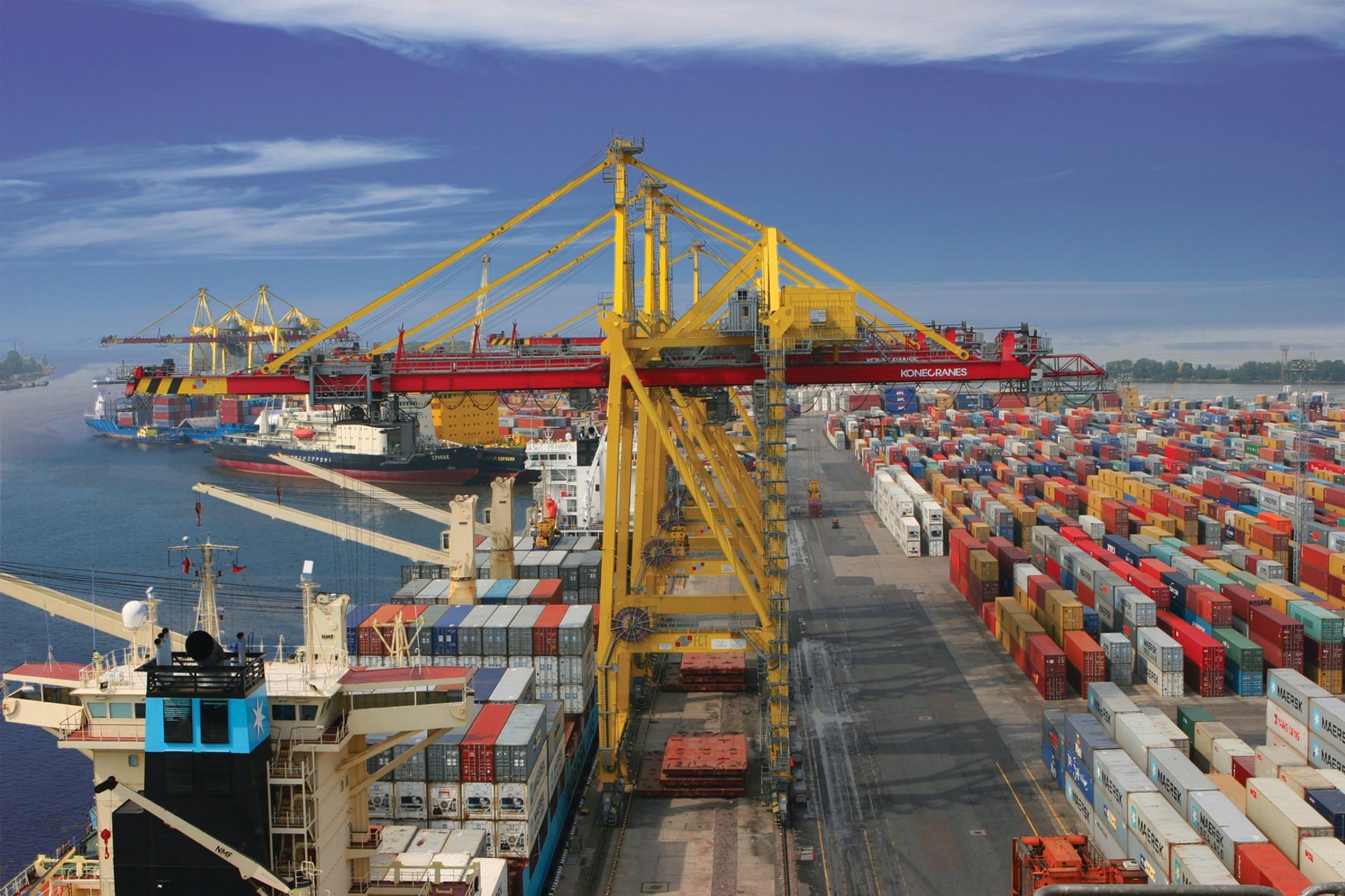
Its primary applications include ship-to-shore container cranes, rail-mounted gantries, rubber-tyred gantries, stacker-reclaimers, bulk ship loaders, and automated warehouse cranes—any system where a cable must spool onto and off of a drum thousands of times over its service life. It is also well suited for trailing cable systems that drag along the ground or between moving parts, where flexibility and damage resistance are critical. Every design choice reflects a single guiding principle: fiber glass is excellent at carrying light signals, but it is inherently fragile. This cable is built to protect that fragile core by ensuring external forces never reach it.
The Three Pillars of Its Engineering Logic
Every layer of FLEXIDRUM® FIBER 770 follows three foundational engineering principles that set it apart from generic alternatives. The first is mechanics first: the optical fibers are never intended to carry any tensile load. All pulling and stretching forces are directed entirely to high-strength supporting structures, so the glass itself remains in a neutral stress state even when the cable is pulled tight or stretched during winding. The second is twist and bend freedom: the cable structure is designed to rotate and flex without transferring torque or sharp bending forces to the fibers inside. This prevents the kind of micro-bending that increases signal loss or causes sudden breakage. The third is total environmental shielding: the outer materials are selected and formulated specifically to block UV radiation, chemical attack, and moisture, rather than just meeting minimum general-purpose standards.
These principles directly address the four biggest failure modes of standard fiber in reeling applications. Ordinary cables often concentrate tension on the fiber glass, leading to sudden breaks after repeated winding. They lack anti-twist features, so rotational forces from the drum build up until the cable bulges or “birdcages” and fibers snap. Their sheaths offer little resistance to UV or oil, degrading quickly in port environments. And they are stiff and unyielding, requiring larger drums and slower operating speeds to avoid damage. FLEXIDRUM® FIBER 770 eliminates all these issues by building protection into every level of its design.
Position Within the FLEXIDRUM® Series
Elettrotek Kabel’s FLEXIDRUM® family includes cables ranging from light-duty trailing types to heavy-duty offshore reeling variants. FIBER 770 is positioned as the balanced mid-range option, optimized for the most common dynamic fiber applications in ports, mines, and logistics hubs. It matches the standard drum sizes used across South African terminals—typically 1.2 to 1.5 meters in diameter—without requiring costly modifications to existing equipment. It also uses standard fiber termination practices, so maintenance teams do not need special tools or training to install or repair it.
Layer-by-Layer Structure & Material Science Deep Dive
To understand why FLEXIDRUM® FIBER 770 performs so reliably in harsh settings, it helps to examine its construction from the innermost core to the outer sheath, and the science behind every material choice. All specifications below match exactly the official Elettrotek Kabel datasheet for this product.
Innermost Layer: Optical Fibers
At the heart of the cable lie the optical fibers themselves, available in three standard configurations: multimode with 50µm core, multimode with 62.5µm core (the default option), and singlemode with 9µm core. All fibers feature a standard 125µm cladding layer and a dual acrylate protective coating bringing the total diameter to 250µm. Light travels through the core via total internal reflection, contained by the cladding layer with a lower refractive index. The dual acrylate coating serves two key purposes: it creates a soft buffer against physical contact and micro-bending, and it forms the first barrier against moisture and chemical vapors that could degrade glass strength over time.
Buffer Tubes
Each fiber or small group of fibers sits inside a buffer tube made from a specialized thermoplastic compound. Unlike the rigid or gel-filled tubes found in many outdoor cables, these tubes are designed to remain flexible while protecting fibers from crushing forces. Critically, the fibers are not fixed or bonded inside the tube—they have room to shift and move as the cable bends. This is the “flexible containment” principle: when the cable wraps around a tight bend, the fibers can slide slightly rather than being forced into a sharp curve that would cause signal loss or breakage. The thermoplastic material is chosen for its closely matched modulus of elasticity to the fiber coating, so stress transfers evenly rather than concentrating at hard interfaces. It also eliminates filling gels, which simplifies field preparation and avoids issues with fluid migration or freezing in cold weather.
Central Strength Member
Running down the exact center of the cable is a high-tensile strength member made from advanced technical yarns. This is the primary load-bearing structure of the entire assembly. When the cable is pulled during winding or when tension builds between the drum and moving equipment, these yarns stretch slightly but do not yield, absorbing all pulling forces so none reach the fibers or buffer tubes. This follows the same principle used in suspension bridges: the strongest elements carry the load, while more delicate components remain isolated. The yarns also have a coefficient of thermal expansion closely matched to glass, so temperature changes from -40°C to +80°C do not cause the cable to lengthen or shorten enough to place tension on the fibers.
Anti-Twist Support Layer
Wrapped around the buffer tubes is a braided layer of synthetic yarns engineered specifically to counteract rotational stress. As a cable winds onto a drum, it naturally twists with every layer added; without this layer, that torque would build up until the cable deforms or internal elements shift out of alignment. The braid uses symmetric, opposing winding directions that cancel out twist rather than resisting it rigidly. This allows the cable to handle up to ±120° of twist per meter without damage, while preventing the “birdcaging” effect where layers separate and bulge outward. The braid also adds extra radial strength, helping the cable resist crushing forces from drum pressure or contact with other equipment.
Outer Sheath
The outermost layer is extruded from PCP rubber classified as type 5GM2, finished in black to match RAL 9005. This material is selected for its unique combination of properties that address the exact environmental threats found in South African ports. Its molecular structure features strong carbon-chlorine bonds that resist the photo-oxidation process caused by UV radiation—where sunlight breaks polymer chains and causes ordinary sheaths to become brittle and crack. In accelerated testing under QUV-A UV exposure, this material retains at least 80% of its original elongation after 720 hours, compared to standard polyethylene which loses nearly all flexibility in a fraction of that time.
For oil and chemical resistance, PCP uses a non-polar molecular structure that does not readily interact with mineral oils, hydraulic fluids, diesel fuels, or common cleaning agents. Standard polyethylene or PVC sheaths are polar or semi-polar, so oils penetrate between molecules and cause swelling, softening, or delamination. After 72 hours of immersion at 100°C per IEC 60811-2-1 standards, the FIBER 770 sheath shows less than 15% volume change and hardness variation within ±10 Shore A—far below the threshold where performance begins to degrade. It also meets strict flame-retardant standards, self-extinguishing quickly if exposed to heat or sparks, and maintains excellent flexibility even at temperatures well below freezing.
Verified Technical Specifications & Compliance
All specifications below are drawn directly from the official Elettrotek Kabel datasheet and are consistent across production batches.
Core Mechanical and Environmental Parameters
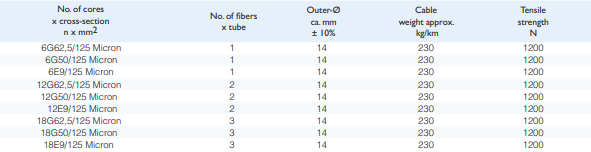
The cable has a nominal outer diameter of approximately 14 millimeters, with standard manufacturing tolerance of ±10%, and weighs roughly 230 kilograms per kilometer. It is available in three standard fiber counts: six, twelve, or eighteen fibers, arranged in six buffer tubes that hold one, two, or three fibers each. It has a rated tensile strength of 1200 newtons, a maximum allowable lateral pressure of 300 newtons per centimeter, and can safely twist up to ±120° per meter of length. The minimum recommended dynamic bending radius is 15 times the cable diameter—significantly tighter than the 25 to 30 times diameter typical for standard outdoor fiber cables—while still keeping macro-bend signal loss well within acceptable limits. It is rated for continuous operation at line speeds up to 240 meters per minute, making it suitable for high-throughput modern terminals.
Temperature ratings cover both fixed and flexible use: when permanently installed without movement, it performs reliably from -40°C to +80°C; for continuous winding and trailing applications, the operating range is -30°C to +60°C. These ranges account for both the heat of summer in northern KwaZulu-Natal and cold winter nights at inland mining sites or high-altitude terminals.
Standards and Certifications
FLEXIDRUM® FIBER 770 is tested and certified against internationally recognized standards that align with South African industry requirements. Flame retardancy complies with DIN VDE 0482 part 265-2-1, EN 50265-2-1, and IEC 60332-1-2. Oil resistance is validated per DIN VDE 0473 part 811-2-1 and IEC EN 60811-2-1. It carries full RoHS compliance, confirming it contains no restricted hazardous materials. These standards meet or exceed the requirements set out in SANS 10163 for port electrical equipment and are accepted by Transnet National Ports Authority for procurement and installation at all South African terminals.
Configuration Options
While standard offerings include six, twelve, and eighteen fiber variants in 62.5/125µm, 50/125µm, and 9/125µm formats, custom configurations are available on request. This includes alternative fiber types, custom fiber counts, and different sheath colors for specific identification or safety requirements. All variants maintain the same mechanical performance ratings, so operators can select the right optical specification without compromising on durability.
Real-World Value in South African Ports
South Africa’s port environment presents a combination of environmental and mechanical stressors that few other regions match. Understanding these local conditions makes clear why specialized cables like FLEXIDRUM® FIBER 770 are not just a premium choice, but a cost-saving necessity.
Local Environmental Stressors
Coastal terminals like Durban and Port Elizabeth face year-round UV radiation with indices regularly reaching 5 to 11, the highest range measured in populated regions. Daily sunshine hours often exceed eight, and reflective surfaces of water, containers, and metal structures amplify exposure. Standard polyethylene sheaths typically begin to powder and crack after three to five years in these conditions, with some failing within as little as twelve months on equipment exposed to direct midday sun.
Salt spray from warm Indian Ocean currents creates an aggressive corrosive environment that accelerates wear on all exposed components. Combined with frequent contact with hydraulic fluids, diesel fuel, grease, and cleaning chemicals used in maintenance, ordinary sheaths swell, soften, and lose structural integrity. Bulk terminals handling fertilizers, mineral ores, and chemicals add further exposure to acidic or alkaline dust that settles on cable surfaces and works its way into any cracks.
Mechanically, the demand is equally severe. A single ship-to-shore crane may reel more than 400 meters of cable during one full load cycle, completing hundreds of cycles each week. Over a year, this amounts to tens of thousands of bends and twists—far more movement than most outdoor cables are designed to handle.
Performance Against Local Conditions
FLEXIDRUM® FIBER 770 directly addresses every one of these stressors. Its UV-resistant PCP sheath extends outdoor service life to eight to ten years, reducing scheduled replacements from every two years to once per decade. This cuts maintenance labor and material costs by roughly 75% over the same period, while eliminating the need for emergency repairs during critical operations.
Oil and chemical resistance means the cable maintains its physical properties even after years of contact with common port fluids. Operators report no swelling, cracking, or hardening after five years of use in bulk handling areas, compared to visible degradation seen within six months on standard cables.
The 15×D minimum bending radius fits perfectly with the 1.2 to 1.5 meter drum diameters used across South African terminals, so no costly retrofits are needed. Its 240 meter per minute speed rating supports faster crane operation, helping terminals meet rising demand for container throughput without upgrading existing hardware. Because it meets all relevant SABS standards, it also satisfies safety compliance requirements for Transnet and private terminal operators alike.
Industry Case Context
Similar reeling cable solutions have already demonstrated measurable benefits at South African ports. At Richards Bay Bulk Terminal, upgrading from standard cables to specialized reeling variants reduced maintenance visits for cable replacement by 60% over three years. At Cape Town Container Terminal, the switch enabled trials of semi-automated crane operation, as consistent signal reliability removed a major barrier to remote control systems. In every case, the total cost of ownership proved lower despite higher upfront pricing, thanks to reduced downtime and extended service life.
Comparison: Why It Outperforms Ordinary Fiber Cables
The difference between FLEXIDRUM® FIBER 770 and standard outdoor fiber cables goes beyond better materials—it is a fundamental difference in design purpose. Standard cables are built to stay in one place, while this cable is built to move.
Side-by-Side Performance
Where FLEXIDRUM® FIBER 770 tolerates ±120° of twist per meter, most general-purpose cables are limited to ±30° per meter before risking damage. It operates safely at speeds up to 240 meters per minute, compared to 40 to 60 meters per minute for standard reeling cables. Its dynamic bending radius of 15×D is roughly half that of typical outdoor fiber, allowing use on smaller drums or with less cable slack. In UV exposure, it lasts three to five times longer; in oil contact, it maintains performance indefinitely while standard sheaths degrade rapidly. Most importantly, its load-bearing design means zero tensile stress reaches the optical fibers, whereas ordinary cables often share tension between sheath, strength members, and fibers, leading to hidden damage that only appears months or years later.
Solving the Four Core Pain Points
This design eliminates the four most common failure modes. It prevents early fiber breakage by keeping tension entirely off the glass. It stops rapid sheath degradation with UV and oil-resistant PCP rubber. It removes speed limits that hold back terminal throughput. And it stabilizes maintenance costs by delivering predictable service life rather than failing unpredictably.
Feichun Cables: Reliable Equivalent Alternative
For projects requiring faster delivery or local supply support, Feichun Cables offers a fully equivalent reeling fiber cable that matches FLEXIDRUM® FIBER 770 in all key performance areas. This alternative meets the same IEC, DIN, and SABS standards, with identical mechanical ratings, environmental resistance, and optical specifications. It uses the same structural principles—central high-strength yarns, anti-twist braiding, thermoplastic buffer tubes, and PCP 5GM2 sheath—to deliver identical reliability in port and mining applications.
Local supply means significantly shorter lead times for Southern African projects, avoiding the delays associated with long-distance shipping from Europe. Pricing is typically 15% to 25% lower than imported equivalents, without compromising quality or compliance. Feichun also provides local engineering support familiar with South African port requirements, making it easier to resolve technical questions or arrange custom configurations. This makes it an ideal choice for urgent retrofits, new terminal builds, or operators looking to diversify supply sources.
Frequently Asked Questions
Many operators ask whether this cable works with existing drum systems, and the answer is yes: its dimensions and bend requirements match standard South African port equipment, so no modifications are needed. It uses standard fiber connectors and preparation methods, so no specialized tools or training are required for installation or splicing. It performs equally well in inland mining applications, where dust, chemical exposure, and frequent movement present similar challenges to coastal ports. The payback period compared to cheaper standard cables is typically two to three years, after which savings from reduced maintenance and downtime provide clear net benefit. Custom fiber counts and singlemode variants are available through both Elettrotek Kabel and Feichun Cables.
Conclusion
FLEXIDRUM® FIBER 770 represents more than an incremental improvement in cable performance—it is a complete rethinking of how fiber optic technology works in moving systems. By placing strength where it is needed, removing stress from delicate components, and building protection against the specific threats of South African ports, it solves problems that standard cables were never designed to address. It enables faster, safer, more reliable operation at terminals across the country, supporting the automation and modernization that will define the next generation of African logistics.
If you would like to order this cable, request a full datasheet, or discuss the equivalent Feichun solution for your project, please contact the Feichun Cables team directly at Li.wang@feichuncables.com.


Email Address: Li.wang@feichuncables.com
© 2025. All rights reserved.
One-click to Quickly Contact
Products
Contact
Company
Location:
Building A Private Science and Technology Park, Hefei Economic and Technological Development Zone, Anhui Province, China
Heat Resistant Cable
WhatsApp: +86 17333223430
Social Media: